
 Arsenal
 Aston Villa
 Chelsea
 Crystal Palace
 Everton
 Fulham
 Leeds United
 Liverpool
 Manchester City
 Manchester United
 Newcastle United
 Nottingham Forest
 Sunderland
 Tottenham Hotspur
 West Ham United
 Wolverhampton Wanderers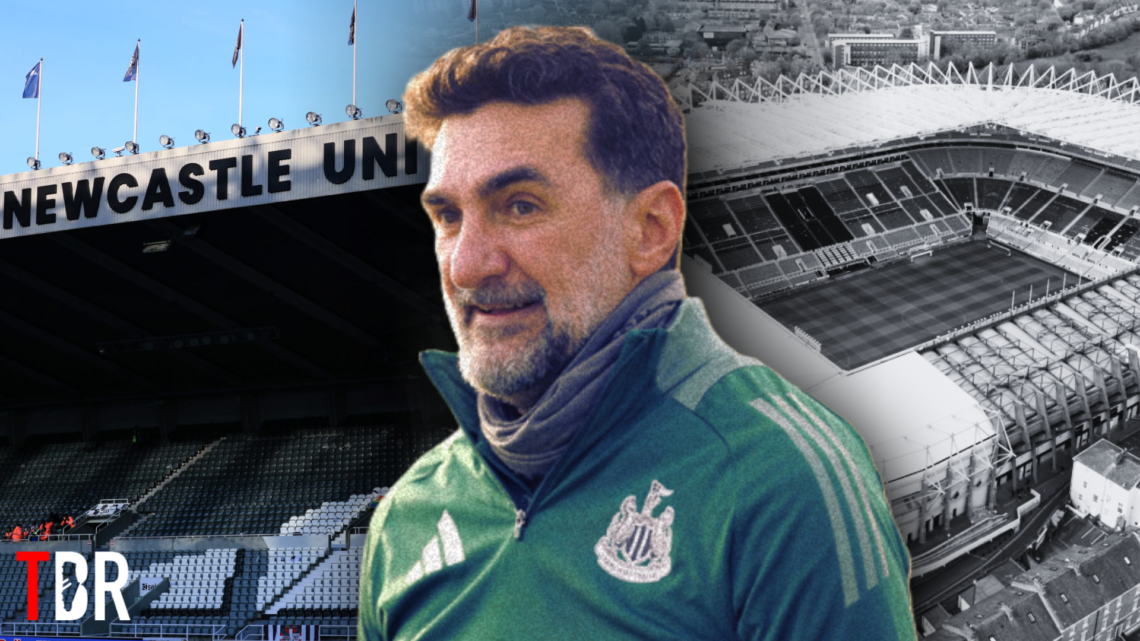


The way that the Saudi Public Investment Fund plan to pay for a new stadium next to St James’ Park is set to dispel a common myth about the Newcastle United owners.
PIF have owned Newcastle for almost exactly four years now, and the Magpies have taken a quantum leap forward in that time, twice qualifying for the Champions League and winning the League Cup.
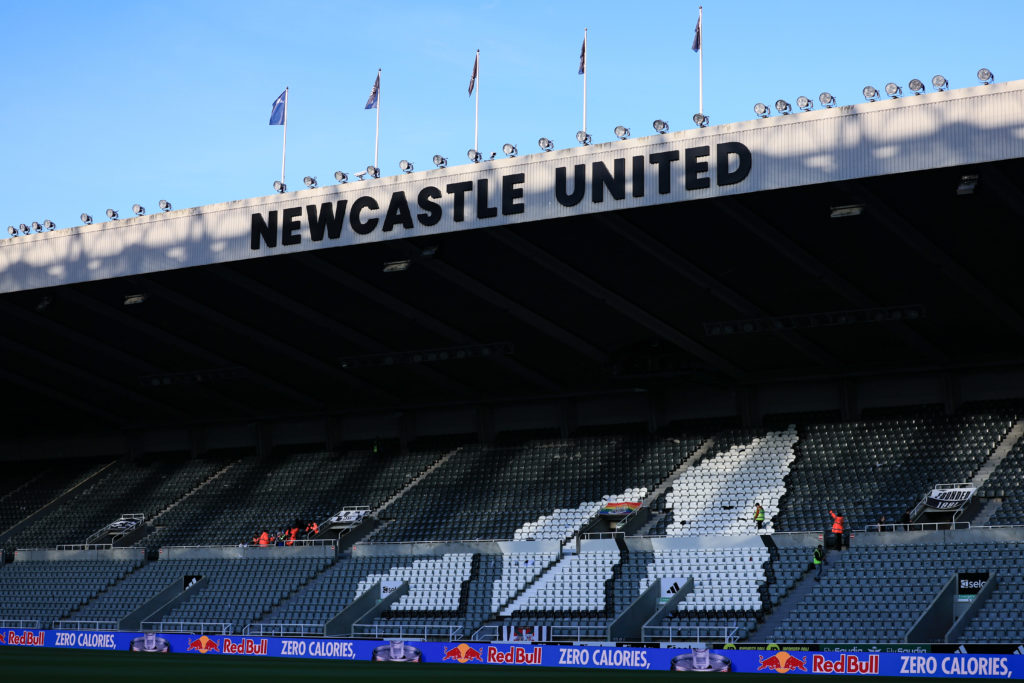
Eddie Howe’s side began the defence of their first silverware since 1955 last night with a 4-1 win over Bradford City at St James’ Park, where the official attendance was 51,249.
Even allowing for the 5,000 away fans who had made the trip from West Yorkshire, that’s a monumental turnout for a televised midweek game in the least prestigious of England’s elite competitions.
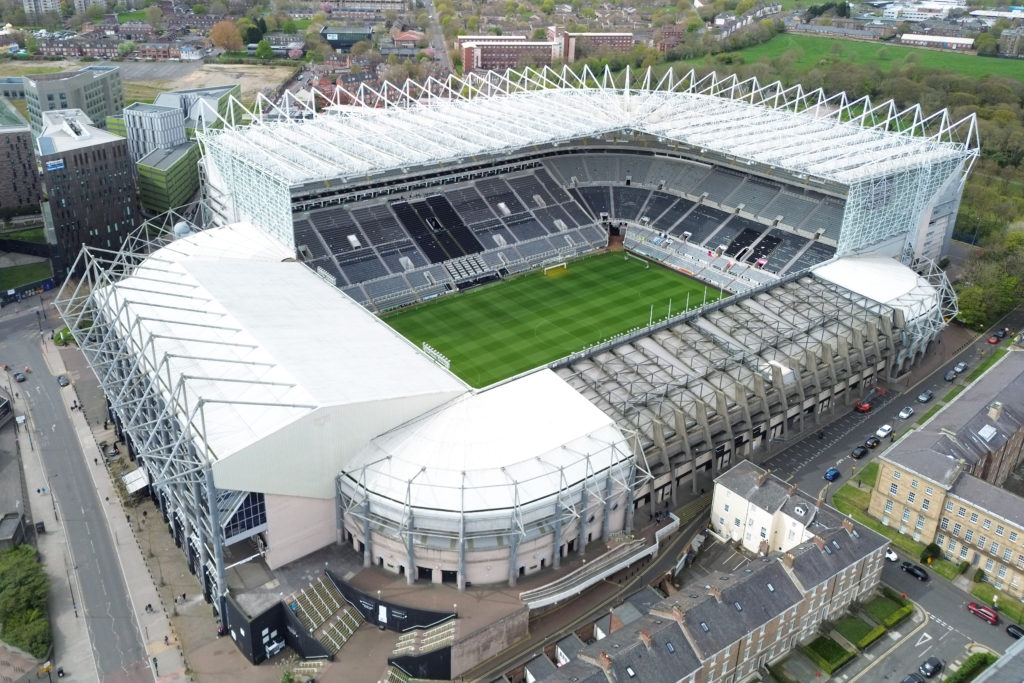
Newcastle are one of just a handful of teams able to attract and accommodate that number of paying fans – and the demand for tickets has been illustrated with several recent dramas over unauthorised reselling.
That is why, since the moment PIF crossed the Tyne Bridge back in October 2021, Newcastle have planned to build a new stadium or significantly expand and improve St James’ Park.
But there have been very few updates in recent months. And as the club is desperate to inflate revenues in order to carve out more PSR headroom, the Toon Army are growing restless.
However, it appears that the Saudi delegation on Tyneside are, at long last, making some progress.
Newcastle United seeking £1bn in stadium finance – but debt plan speaks volumes about PIF’s strategy
Newcastle are believed to be targeting a capacity of 65,000, though 70,000 has been mooted too.
At the upper end of that range, that would give Newcastle the third-biggest club stadium in English football. It would also supersize annual matchday income, which was £50m at the last count.

Leazes Park, meanwhile, which is on the doorstep of St James’ Park, is where the owners want to build, but city residents have protested that plan in their droves.
That is one of myriad obstacles inherent in planning a new stadium. By far the biggest task before construction begins, however, is finance.
Newcastle’s stadium, whatever blueprint they select, will almost certainly cost upwards of £1bn, thrice what they paid to buy the club itself.
And so often, massive infrastructure builds come in significantly late and over budget. The sooner they can get a funding package together, therefore, the better.
Good news for Newcastle, then, as Bloomberg have now reported that talks with several private lenders have now commenced.
According to the esteemed financial publication, Newcastle representatives are speaking to a number of financial institutions with a view to a debt-plus-equity deal.
In layman’s terms, that means the PIF would contribute some of the funds themselves and take out interest-bearing loans for the rest. The exact debt-to-equity ratio being targeted isn’t known.
Many experts had assumed that PIF, whose governor Yasir Al-Rumayyan oversees nearly a trillion dollars worth of assets, would fund the project in full.

But with debt in the equation, that will eat into Newcastle’s PSR position.
While infrastructure investment is exempt from Premier League Profit and Sustainability Rules during construction, interest costs – if expensed rather than capitalised, as is expected – count towards the calculation once the stadium is open for business.
Another assumption was that PIF would use a form of Islamic finance like Murabaha, which doesn’t accrue interest in the traditional Western way. But that too now looks wide of the mark.
How much will Newcastle earn at their new stadium?
First things first, Newcastle are a long, long way from even breaking ground on the new stadium, let alone playing football in it.
But when they do take residence in their new home, how much will that benefit them financially?
The £50m Newcastle earned through the turnstiles in 2023-24 – a Champions League year, remember – equated to about £960 per fan.
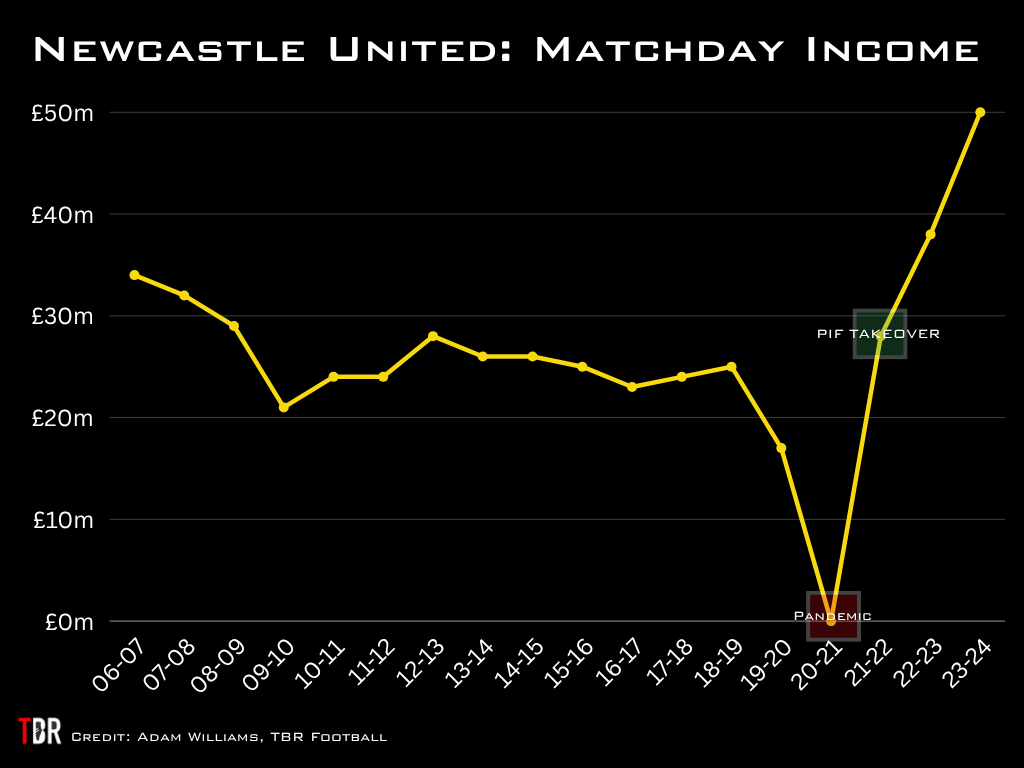
A pro-rata calculation based on a potential 70,000 capacity would therefore suggest that the Magpies could look forward to matchday income of around £67m over the course of a similar season.
But the reality is that the new stadium will be far more commercially geared than the current one. As a result, the yield per fan – encompassing hospitality, premium seating and so on – would be much higher.
Most experts TBR Football speaks to suggest that Newcastle will be looking for matchday revenues of at least £100m.
Any interest costs would eat into the net benefits of a new stadium from a PSR perspective, but it would still be a huge uplift on their current position.
The potential for a stadium naming rights deal and other commercial activations meanwhile could take the final total even higher.
Receive weekly football news and updates to your mailbox