
 Arsenal
 Aston Villa
 Chelsea
 Crystal Palace
 Everton
 Fulham
 Leeds United
 Liverpool
 Manchester City
 Manchester United
 Newcastle United
 Nottingham Forest
 Sunderland
 Tottenham Hotspur
 West Ham United
 Wolverhampton Wanderers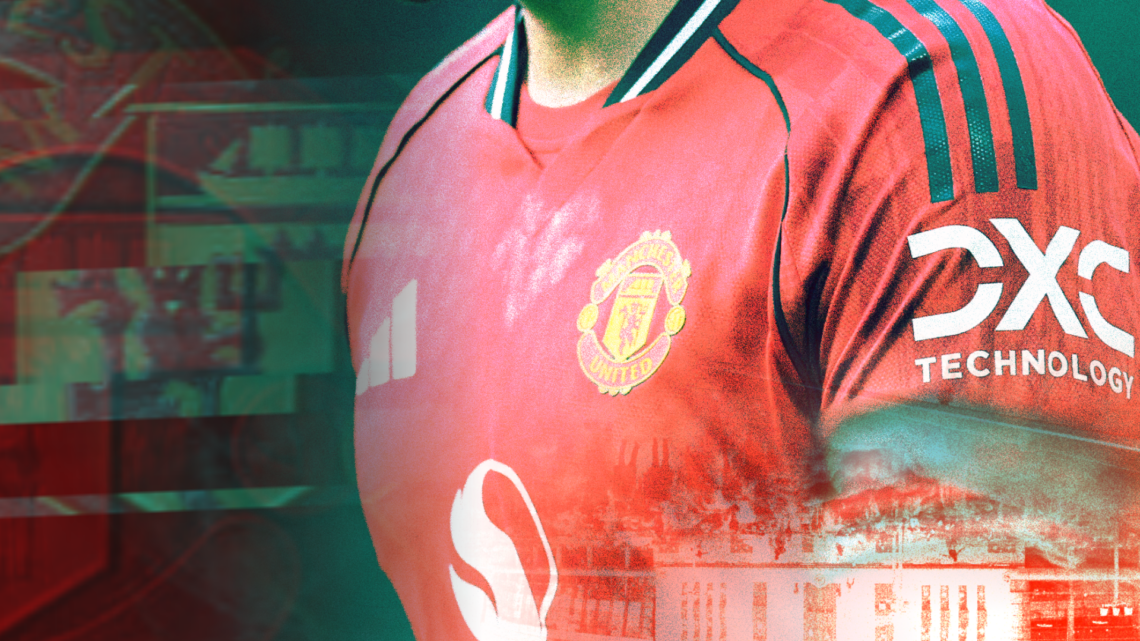


TBR Football understands that one of Manchester United’s most important commercial contracts, their shirt sleeve sponsorship deal with DXC Technology, expires at the end of the season.
The American IT and consultancy services firm struck a global partnership with United ahead of the 2022-23 campaign, which is reportedly worth £20m per season.
That makes the agreement the third-most lucrative in the club’s commercial inventory, behind the alliances with Adidas and Qualcomm’s Snapdragon brand.
When the deal was announced, it was characterised only as a ‘multi-year’ arrangement and there has been no word from the club about when exactly it would be up for renewal.
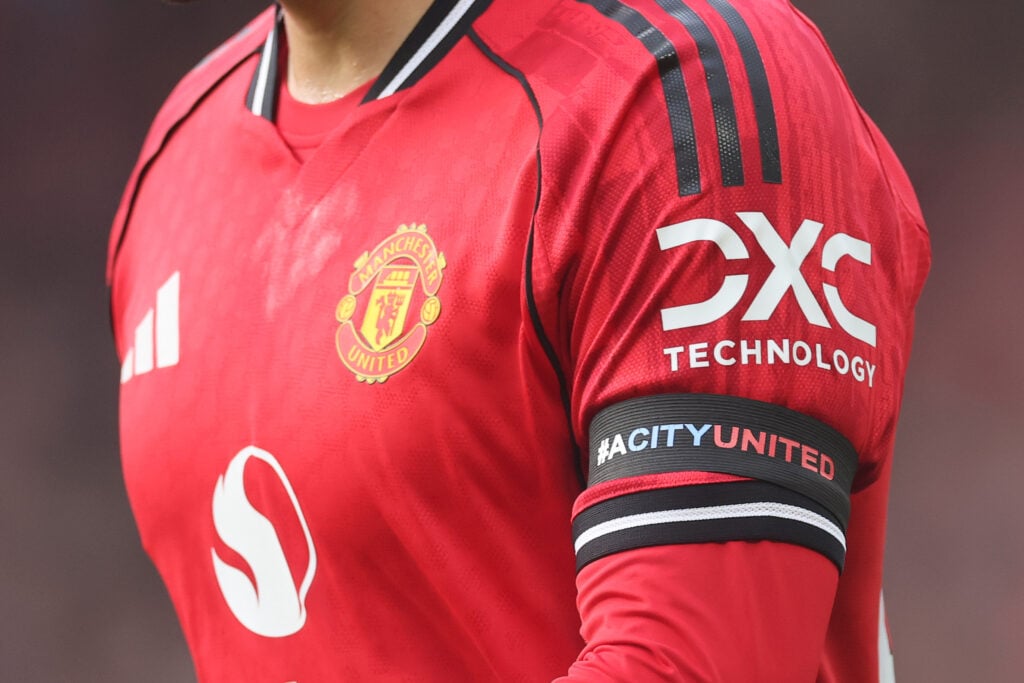
However, industry sources have informed TBR Football that 2025-26 is the final year of the contract, and both Manchester United and DXC Technology are now considering their options.
United’s commercial income – in tandem with the country’s highest matchday revenues – has been their saving grace during their years in the wilderness on the pitch, insulating them from consequences that would have crippled other less well-resourced clubs.
In 2024-25, the Red Devils’ income from licensing, merchandise sales, events and other commercial revenue streams totalled £333m, a new club record. Sponsorship accounted for £188m of that figure. That was despite Ruben Amorim’s side finishing 15th in the Premier League, their worst placing since 1974-75.
And while the club continues to bleed money operationally and through a pitiful player trading record, United have escaped the clutches of the Premier League’s PSR enforcers thanks largely to their commercial safety net, as well as secured funding from Sir Jim Ratcliffe.
That said, their growth has been anaemic. In fact, in real terms, they have gone backwards, with commercial income since 2016 failing to even keep up with UK inflation.
It’s a similar story in terms of overall turnover. The £515m they earned in 2015-16 would be worth £711m today, but their 2024-25 accounts showed revenue of £667m.
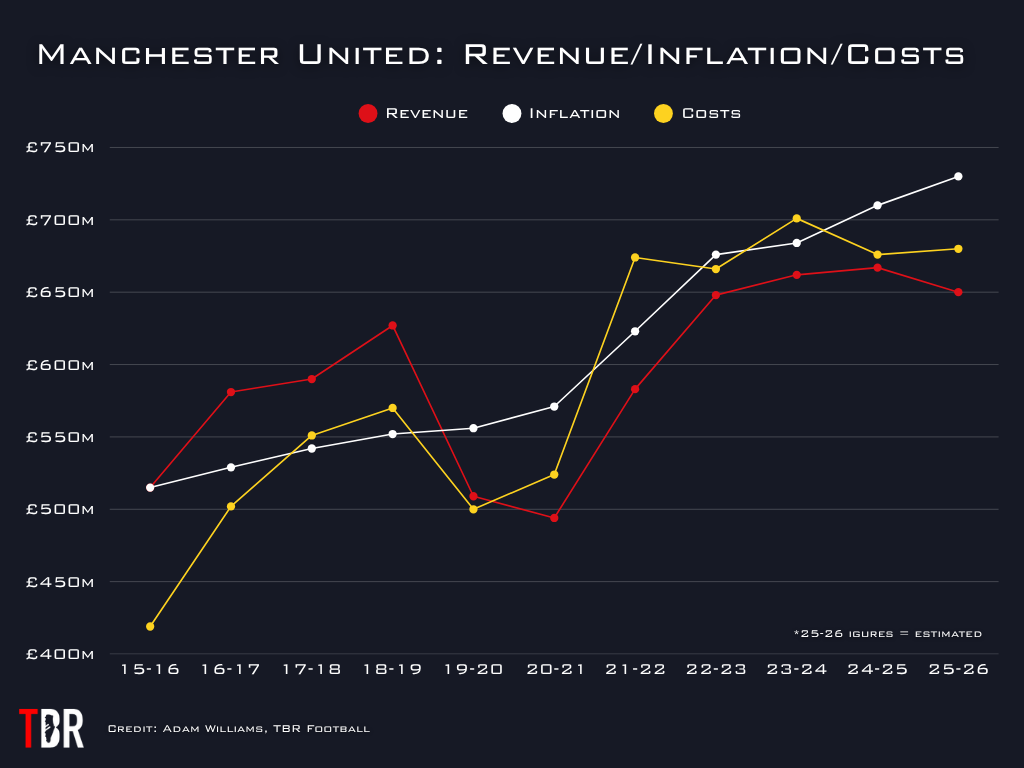
Reinstating themselves as a force in the ultra-lucrative Champions League would comfortably make up that gap, but the more fundamental issue is that costs are booming.
Cumulatively, they have spent over £3bn on wages and registered transfer amortisation of nearly £1.5bn over the last decade. As a return on investment, £4.5bn in exchange for two FA Cups, two League Cups and a Europa League is – to put it charitably – unacceptable.
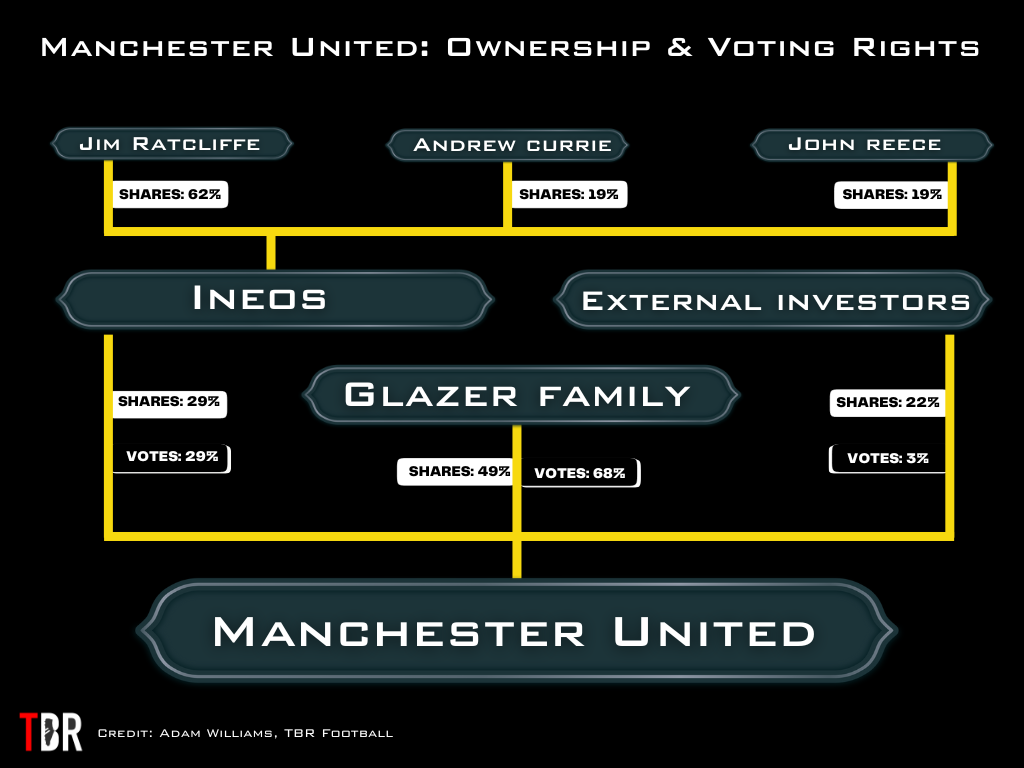
Ratcliffe and the Glazer family recognise this. As well as a brutal regime of spending and personnel cuts, the owners have also launched ‘Project 90’ internally, with the aim of improving the club’s balance sheet by £90m annually through further savings and commercial activity.
It is a complex time to go to market for a new shirt sleeve sponsor. The Premier League’s self-imposed ban on front-of-shirt gambling sponsorship is expected to see a lot value migrate to the shirt sleeve category. With 11 top-flight clubs looking for new front-of-shirt sponsors, it will be a buyer’s market.
Commercially, United are in a different universe to most of the clubs shuffling their pack because of the gambling ban, but the league-wide reordering is expected to have a profound impact on the sector as a whole. Arsenal are also courting shirt sleeve sponsors, though they will likely renew with Visit Rwanda.
One football finance source suggested to TBR Football that United could potentially bundle together their shirt sleeve and training kit sponsorship rights with the naming rights for the recently-revamped training complex at Carrington, though the prospect of an Old Trafford naming rights deal is more remote at present.
The club launched the training kit without a sponsor in the summer. The training kit category is now one of the most valuable in a club’s arsenal. “It’s got huge exposure, but it’s very personal,” Brand Finance valuations director Hugo Hensley told TBR Football earlier this year. “You get behind the scenes, watch the team hang out in the facility, pitch-side interviews – it’s valuable, complex engagement.”
United’s previous training kit deal, with the blockchain company Tezos, was priced at £20m per annum.
The DXC Technology partnership – worth £80m to United over its four-year deal length – has seen DXC furnish United with a Digital Data Hub that collects and analyses fan data, as well as a Football Data Hub to collect real-time analytics and performance insights.
Sources have also told this site that, if DXC or United opt not renew their arrangement, the replacement deal will likely come from the same sector, i.e., IT or digital services.
Incidentally, DXC Technology released their Q2 financial results this week, reporting revenues of $3.2bn and projecting full-year turnover of almost $13bn. The multinational’s share price has fallen by over 30 per cent so far this year. Shares hit a high of $96 in 2019 but are now priced at around $13.
United, whose own stock has been largely catatonic since they were listed on the New York Stock Exchange in 2011, travel to Nottingham Forest tomorrow, where they hope to make it four wins on the spin.
Receive weekly football news and updates to your mailbox