
 Arsenal
 Aston Villa
 Chelsea
 Crystal Palace
 Everton
 Fulham
 Leeds United
 Liverpool
 Manchester City
 Manchester United
 Newcastle United
 Nottingham Forest
 Sunderland
 Tottenham Hotspur
 West Ham United
 Wolverhampton Wanderers


Away from the ephemeral joy and relief of three consecutive wins, Manchester United continue to ponder their long-term future. Top of the agenda? How to pay for a gigantic new stadium.
Old Trafford, as any supporter who has fallen victim to the failing drainage system in its roof can attest, is on its last legs. Modernisation, or a move to a new stadium entirely, has long been in the post.
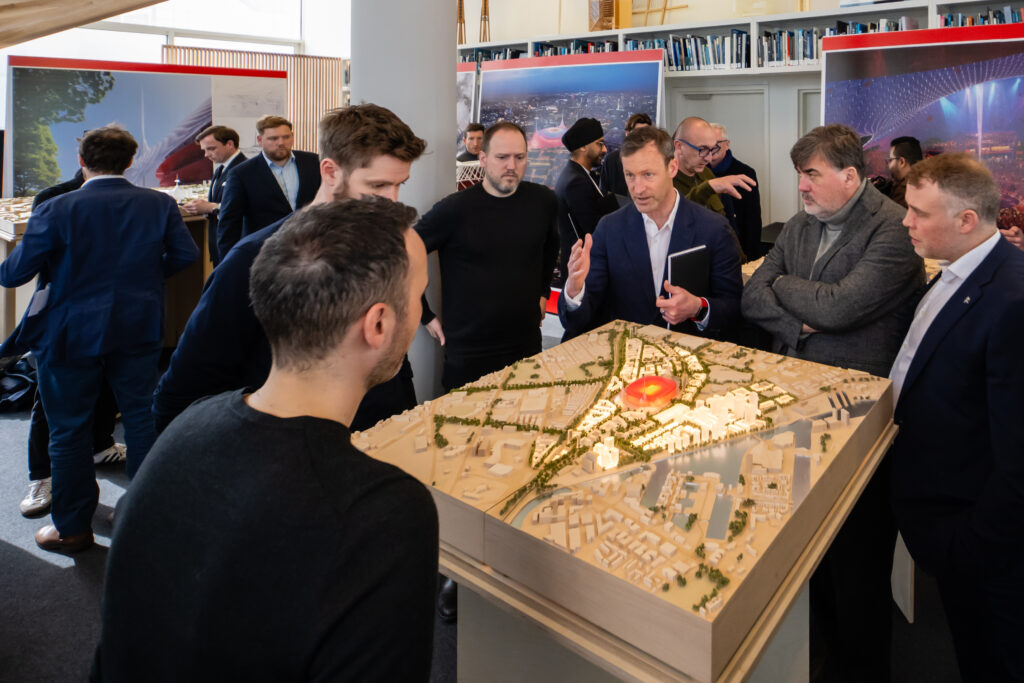
Earlier this year, Man United revealed that option B was their preference, with Sir Jim Ratcliffe unveiling plans for a 100,000-seater arena and ambitions for the Red Devils’ home to become a Northern landmark.
The designs – complete with three spires representing the prongs on the trident in Man United’s badge, the tallest reaching 200 metres into the moody Manchester sky – are expensive. Very expensive.

Estimates have pegged the cost of building the stadium at around £2bn. And as anyone involved in capital expenditure projects will readily tell you, these things are almost always late and over budget.
The Tottenham Hotspur Stadium, for example, was originally projected to cost Spurs around £400m. The final bill was well over £1bn. See also: Everton’s new Hill Dickinson Stadium, which, although magnificent, came in £300m over budget.
So, how do United, who have spent the 20 months since Ineos’s part-takeover mercilessly cutting costs and doom mongering about the club’s finances, plan to fund Old Trafford 2.0?
- READ MORE: Where new 100,000-seater Man Utd stadium will rank amongst biggest football grounds in the world
Firstly, the club is exploring measures to optimise the project financially, such as potentially abandoning the massive canopy which, in Foster & Partners’ design, will envelope the stadium.
That alone could reduce costs by £400m and reduce the amount of land they would need to purchase from neighbouring Freightliner, whose valuation of their site has led the club to make overtures to the government about a compulsory purchase order.
But whatever the final costs, they have six non-exclusive options, broadly speaking:
- Equity: Ratcliffe and/or the Glazers gives the club cash in exchange for shares
- Third-party investment: New investor buys into the club/stadium; funds ringfenced for construction
- External debt: Interest-bearing bank loans or bonds secured against club assets
- Shareholder loans: Glazers and/or Ratcliffe loan the club money and charge interest
- Public funding/grants: United borrow or take grants from local or national government
- Commercial schemes: Selling stadium sponsorships, debentures, future revenue streams
Debt is already a problem at United. Including instalments on transfers, the club owes over £1bn and its interest costs are currently around £35m annually. With a large chunk of that debt due for repayment in 2027, interest costs are likely to rise soon too.
It is inevitable that they will have to take on more debt to pay for the stadium, but minimising the burden on the club’s balance sheet will be key.
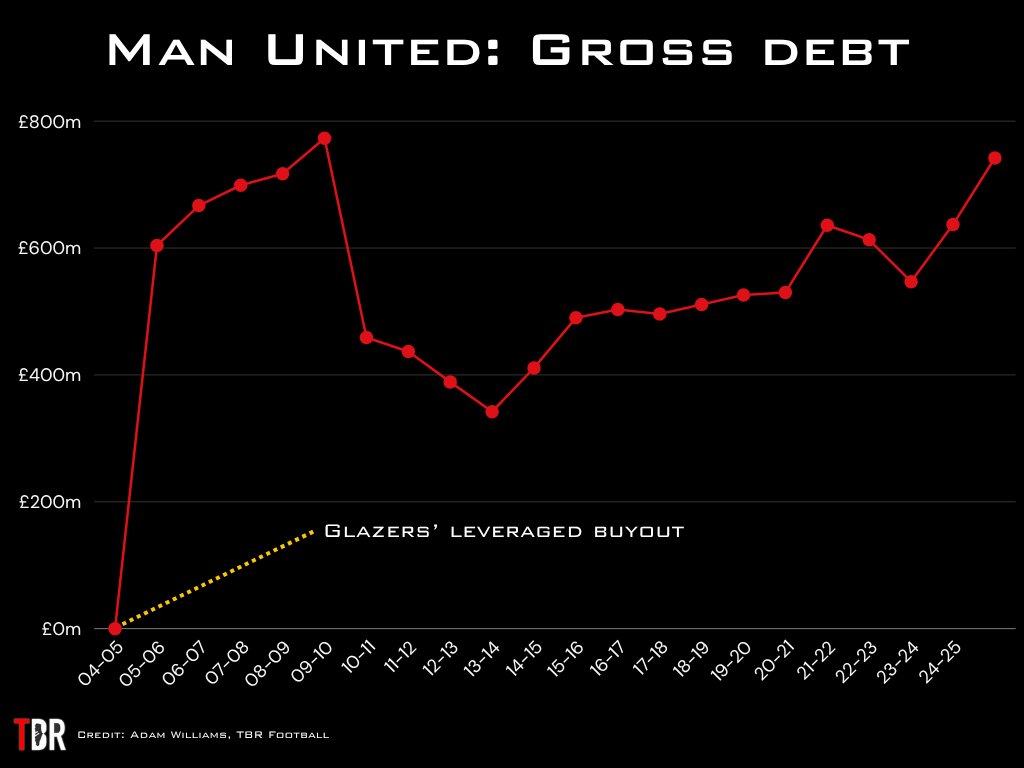
The Glazers meanwhile have taken more money out of the club than they have put in, so United can’t rely on them to contribute to the stadium.
Indeed, under the terms of Project Big Picture and the European Super League, the American owners actually wanted rival clubs to contribute to a central fund that they could use for infrastructure projects.
Ratcliffe is not at the peak of his powers financially, either. In terms of liquidity, at least.
Ineos have implemented a hiring freeze to help address their £11bn debt pile and Ratcliffe has appealed to the UK government for help in dealing with industrial competition from China. The 73-year-old has a two-star confidence rating from Bloomberg personally, while his firm’s credit outlook has been rated ‘negative’ by several agencies.
He’s no pauper, but after dropping £1.25bn on United to buy shares and through subsequent equity investment, experts tell TBR Football he is probably at his limit for now.
Third-party investment is possible but stories that the club is speaking to investors in the United Arab Emirates should be taken with a fistful of salt. Clubs receive enquiries on a weekly basis and, although the Glazers can technically compel Ratcliffe to sell his shares if a reserve price of $33 per share is met, they are unlikely to do so in the near future. They want £5bn-plus, but the market has balked at that valuation.
There will be an element of public funding, though this will be a fraction of the overall cost and probably reserved for the development of infrastructure around the stadium, not the build itself. Personal seat licenses could also generate nine figures but would be controversial among sections of the fanbase.
Naming rights, several industry sources have told TBR Football, are an inevitability.
“Their benchmarks for stadium naming rights look more like NFL or NBA naming rights where the big ticket is the stadium,” Hugo Hensley, valuation director at Bran Finance, told this site in exclusive conversation earlier this year.
“I’d expect if they’re setting a number, it’ll look like that £40-50 million [per year], potentially more.”
United’s front-of-shirt sponsor Snapdragon, the American microchip brand owned by Qualcomm, is one contender for the naming rights for the stadium, or some kind of brand relationship.
“Old Trafford is Old Trafford. It should always be Old Trafford,” Qualcomm’s chief marketing officer Don McGuire said last year, as quoted by BBC Sport.
“But there could be a brand attached to that in some way, shape or form, a ‘powered by someone,’ or an “at” or whatever.”
“This [existing sponsorship] deal is not inexpensive anyway but we are working very closely with the team on the reimagination of Old Trafford and Carrington from a technology and innovation standpoint. But if it makes sense we are always looking out for opportunities.”
Today, Qualcomm’s market capitalisation (the total value of the company’s publicly traded shares) boomed by around 20 per cent to beyond £150bn for the first time.
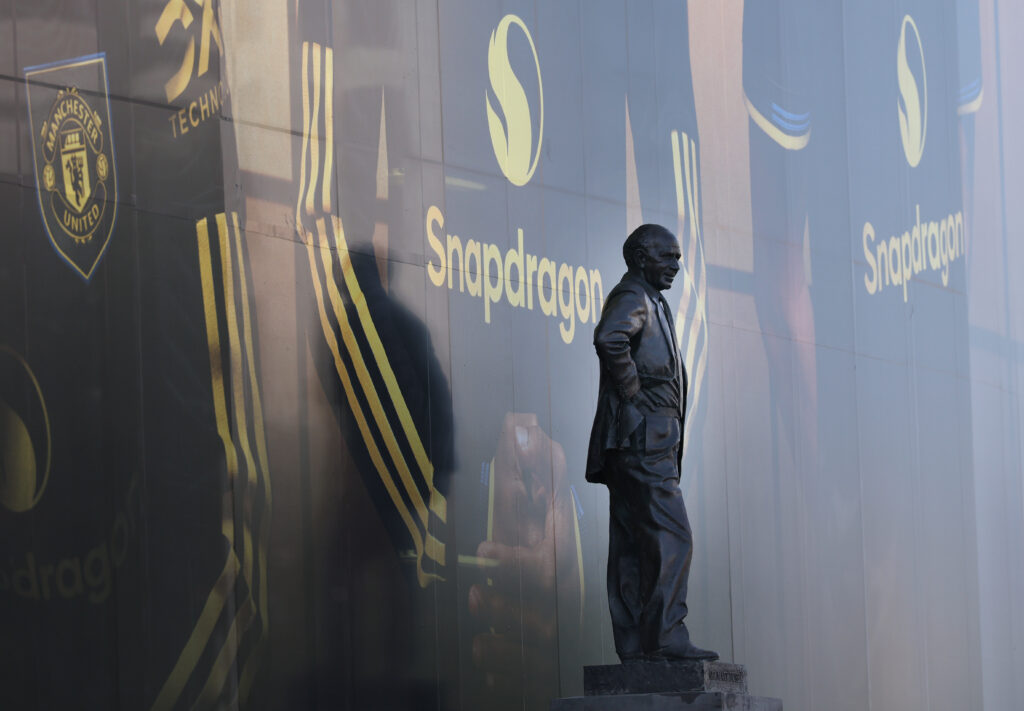
That was in response to the announcement that the firm has created a new AI chip which it hopes to rival the equivalent produced by Nvidia, the world’s most valuable company.
It’s likely that, as the company’s stock rises and it looks to eat into Nvidia’s market share, wads of cash will be handed to the marketing department. Could some of that be redirected to cementing its relationship with Man United with a long-term naming rights deal?
Any deal would likely run for, at the very least, 10 years. If Hensley’s valuation of the rights is accurate, that could be £400-500m towards the costs of the stadium.
That is the kind of arrangement which, in tandem with matchday income of £250m-plus, could make the stadium cost-effective even after the costs of pricey debt.
Receive weekly football news and updates to your mailbox