
 Arsenal
 Aston Villa
 Chelsea
 Crystal Palace
 Everton
 Fulham
 Leeds United
 Liverpool
 Manchester City
 Manchester United
 Newcastle United
 Nottingham Forest
 Sunderland
 Tottenham Hotspur
 West Ham United
 Wolverhampton Wanderers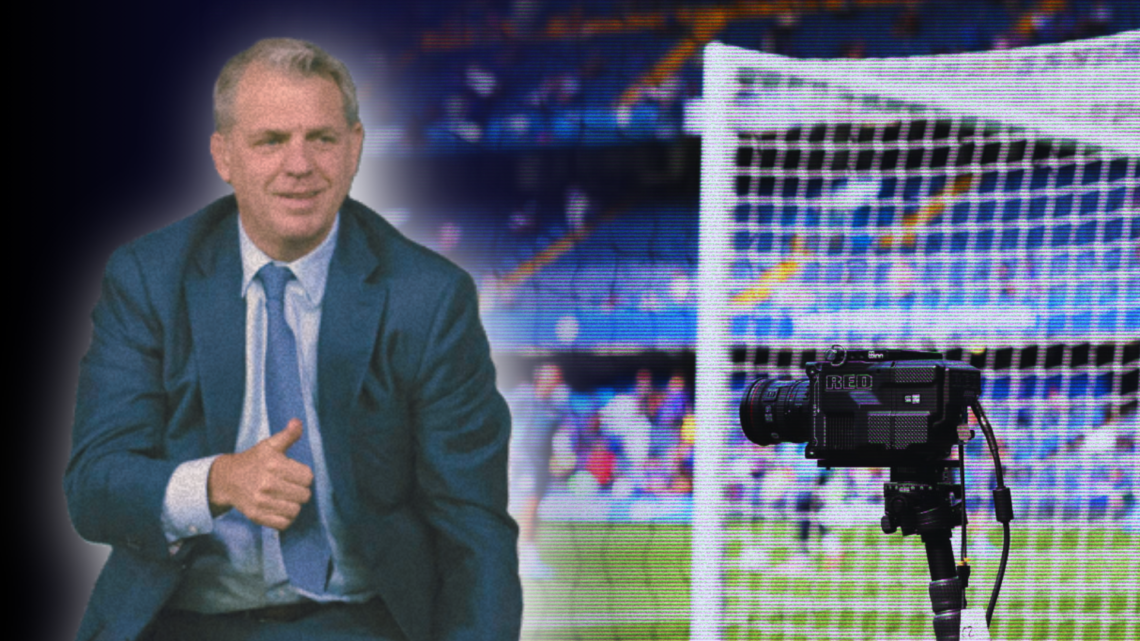


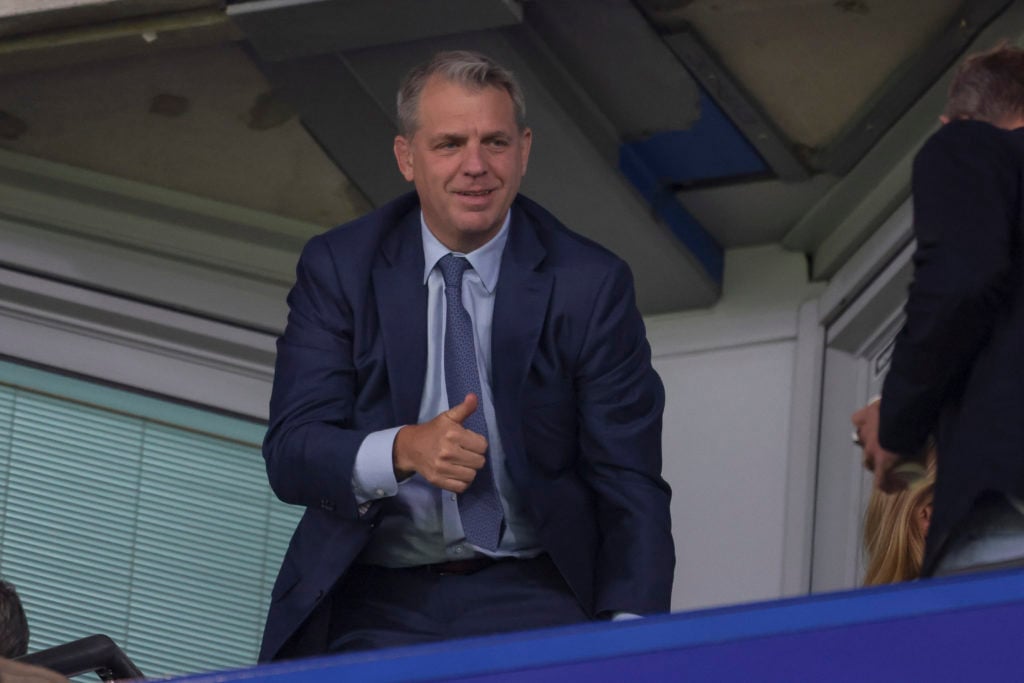
Chelsea co-owner Todd Boehly is a divisive character, but the private equity billionaire is hailed as a positive disruptor by many in the sports business sphere.
Since the takeover he orchestrated in the summer of 2022 alongside Clearlake Capital and a cohort of fellow billionaires, Chelsea have done things very, very differently.
Todd Boehly, who will be chairman at Stamford Bridge until at least 2027 under the terms of his agreement with Behdad Eghbali, has sanctioned an extraordinary level of investment in new signings.
And while their transfer spending settled down a little in net terms, the sheer volume of deals in and out of the club – some of them facilitated by sister club Strasbourg – is astonishing.
Under Profit and Sustainability Rules (PSR), Chelsea are okay. Their use of intra-company transactions loopholes, such as selling on-site hotels to themselves for an artificial profit, has ensured that.
But while the Premier League system is full of lacunas, the same can’t be said of UEFA’s equivalent.
Chelsea have been forced to reach a settlement with UEFA for breaching their Football Earnings threshold and Squad Cost Ratio rule. Over the next three seasons, that’s likely to reshape their business model.
However, the opinion of many experts in football finance is that this setback will have been priced in by Chelsea’s owners, just as they set aside £100m to deal with historic financial offences during the Roman Abramovich era, for which the club has now been hit with 74 charges by the FA.
These are all elements of the calculations that Boehly and Clearlake will have done when telling their investors about the return they one day stand to make.
A big part of the value in the £2.5bn takeover comes from TV rights – and news this week suggests there could be a revolution on the cards in this department.
Chelsea poised to cash in as UEFA chase Netflix model
Historically, media income has always been the golden goose for football clubs, outstripping commercial and matchday revenues.
However, while for most Premier League clubs that remains the case, clubs like Chelsea at the elite end of the spectrum can now earn more through sponsorship and merchandise than from media rights.
The Premier League’s domestic TV deal alone is worth £6.7bn over its current cycle, while UEFA distributes about £3bn to clubs annually for Conference League, Europa League and Champions League rights.
But there are concerns that the growth is slowing, and the solution that many – including Boehly at Chelsea – have proposed is to move towards what is known as a direct-to-consumer model.

Think: Netflix or Apple TV.
And this week, The Guardian reported that UEFA hopes to raise £4.3bn from its next rights sale by selling at least one match per Champions League round to a big-name streamer on a global basis.
That would represent a watershed moment for the industry.
While it might seem like a pretty dry story at first, the long-term implications for Chelsea, who earned £163m in TV money last time around, could be seismic.
- READ MORE: John Obi Mikel claims he played with an attacker at Chelsea who was better than Didier Drogba
What has Todd Boehly said about Netflix-style streaming model?
There are some in Premier League ownership circles who are a little bearish on a direct-to-consumer model, pointing out that selling the rights to trusted third parties is easy and risk-free.
But Boehly appears to be of the school of thought which sees a huge potential uptick in value that a global rights deal with a major player like Netflix could yield.
“I’m not saying [one streamer] is the blatant answer right this minute, but I think that’s where we’re headed,” he told the Financial Times Business of Football Summit in February , as quoted by SportsPro.
“And of course, in order to repackage all of that, the owners have to be willing to take some level of risk.
“How many global platforms are there? Probably just Netflix.
“If you’re thinking about how do I launch a global product, you do it in partnership with content like this. If you really think about what it could do to unlock a global media platform, there’s nothing like this.
“It’s a long conversation, and [the Premier League] are on it. They are thinking about media rights going forward, they’ve got great leadership in that area, and they are thinking about how to get everyone to row simultaneously and be pulling for each other.”
Receive weekly football news and updates to your mailbox