
 Arsenal
 Aston Villa
 Chelsea
 Crystal Palace
 Everton
 Fulham
 Leeds United
 Liverpool
 Manchester City
 Manchester United
 Newcastle United
 Nottingham Forest
 Sunderland
 Tottenham Hotspur
 West Ham United
 Wolverhampton Wanderers


For fans of Newcastle United and Chelsea, the Premier League’s PSR system continues to dominate the conversation – perhaps more so than starting XIs and new signings.
Many are mystified as to how Chelsea have avoided a breach.
The West London club are reportedly under investigation by the Premier League, but relating to alleged offences that pre-date the Todd Boehly era.
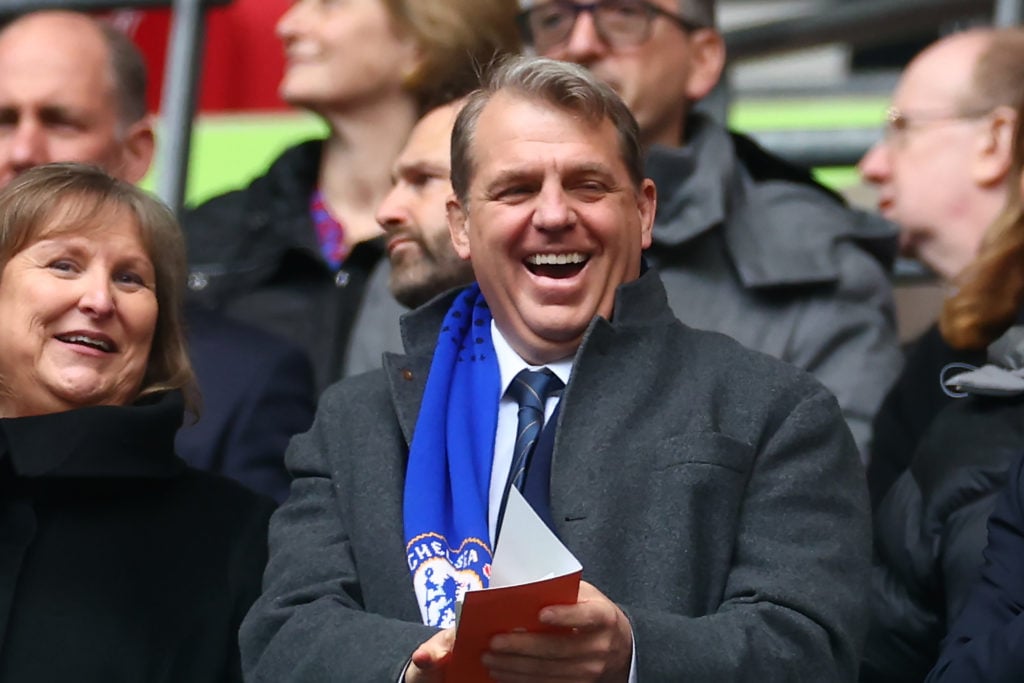
To date, the party line appears to be that intra-group property sales and other workarounds have kept Chelsea afloat in terms of PSR.
Their £75m net spend this summer certainly suggests that they are confident that they have not committed a breach.
Newcastle meanwhile just crept in under the Premier League’s three-yearly £105m allowable loss threshold before the 30th June cut-off.
That was thanks in part to the sale of Elliott Anderson to Nottingham Forest, which banked Newcastle £35m in ‘pure profit’ as a result of his being an academy product.
Chelsea too are no strangers to selling off homegrown talent.
Ian Maatsen, Omari Hutchinson and Lewis Hall have all left the club for big fees this summer, with Hall signing for Newcastle in a £28m deal.
In total, Newcastle and Chelsea have netted a combined £122m from academy sales this summer. And that figure will soar if Conor Gallagher completes a move to Atletico Madrid.
And the apparent incentivisation of the PSR system to sell homegrown talents continues to cause drama.
- READ MORE NEWCATLE UNITED NEWS: Newcastle to smash £80m barrier as new off-pitch announcement expected soon
Eddie Howe and Enzo Maresca’s PSR claims are false, says expert
Because youth players have no transfer fee associated with them, their sale price is deemed ‘pure profit’ in a club’s PSR calculation. Every penny is added to your PSR capacity.
Other players by contrast have their sale price offset by their amortised value in the accounts (initial fee divided by years remaining on their contract).
That means, if you sign a player on five-year deal for £10m, their book value decreases by £2m each year, and clubs deduct their book value from the sale price to deduce the PSR profit-loss of the transaction.
In recent weeks, Newcastle’s Eddie Howe and Chelsea’s Enzo Maresca have suggested that this incentivises clubs to sell young players.
Following on from Maresca’s comments last week, Eddie Howe has now told Sky Sports: “Very sad to lose two exciting young players in Elliott Anderson and Yankuba Minteh.
“But what I think it enabled us to do is to keep the majority of the core of the squad together.
“We don’t really want to put ourselves in that position again where we are forced to sell players that we don’t want to.
“But with the rules and regulations as they are at the moment, we don’t quite know what that situation is going to look like in a year’s time.
“The only disappointing thing with the rules for me is that they are almost promoting you to sell players you have developed.
“Without going too deep into it, with the book value of players and academy prospects your bring through, you get rewarded the most for selling them.
“For me, that defies the point of financial fair play. You should be encouraged to keep those players.
“PSR is the biggest obstacle in our way to develop as quickly as possible. But we have t comply with the rules obviously.”
However, one expert does not agree with Howe’s position.
Speaking via X, the business lawyer and football finance blogger Swedish Rumble offered the following explanation as to why the ‘pure’ profit loophole only incentivises academy sales in the short term.
“It is — only — in Y1 it is more beneficial to have sold a homegrown player and replaced him with an acquisition. Y2-Y5 the FFP is “championing” keeping home grown players.
“But homegrown players — are — de facto sold, why? It’s for the exact same reason some build up a huge credit card debt. Chelsea has spent way too much, so they need the short term gain in Y1 and are prepared to take it even if it comes at a cost in Y2-Y5.”
PSR: How much can Newcastle and Chelsea spend on transfers?
Without seeing the clubs’ accounts for 2023-24, which will be released early next year, it is hard to say how much headroom either club has to spend in the remaining weeks of the transfer window.
Newcastle CEO Darren Eales has said that the fact that the club’s £70m loss in 2021-22 now no longer counts towards their PSR calculation has given them some breathing space.
Without Champions League or Europa League football, Chelsea’s situation is hazier.
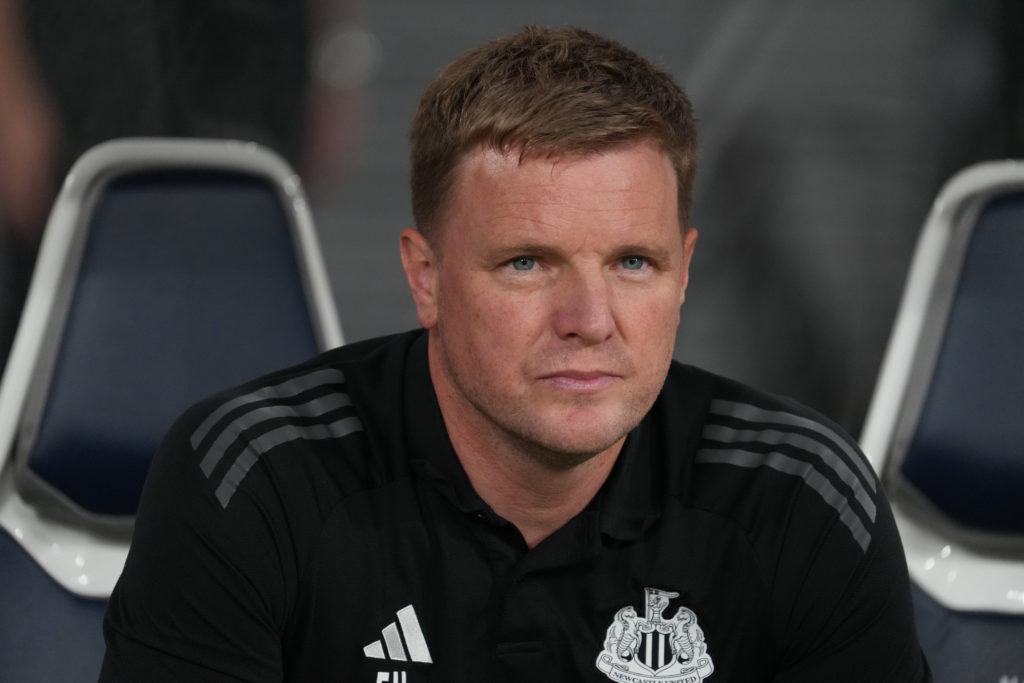
Most analysis suggests that the West London club are miles over the limit, but the club remain confident – publicly, at least – that they are not in breach.
For that to be the case, it seems likely that another workaround has been found – perhaps in the form of the intra-company sale of their women’s team.
Receive weekly football news and updates to your mailbox