
 Arsenal
 Aston Villa
 Chelsea
 Crystal Palace
 Everton
 Fulham
 Leeds United
 Liverpool
 Manchester City
 Manchester United
 Newcastle United
 Nottingham Forest
 Sunderland
 Tottenham Hotspur
 West Ham United
 Wolverhampton Wanderers


West Ham have one of the biggest and most lucrative stadiums in the Premier League but supporters are unhappy with how it is being managed.
The Hammers pay a peppercorn rent of around £4m per year for the London Stadium, which has cost the taxpayer around £850m in construction and renovation costs over the years.
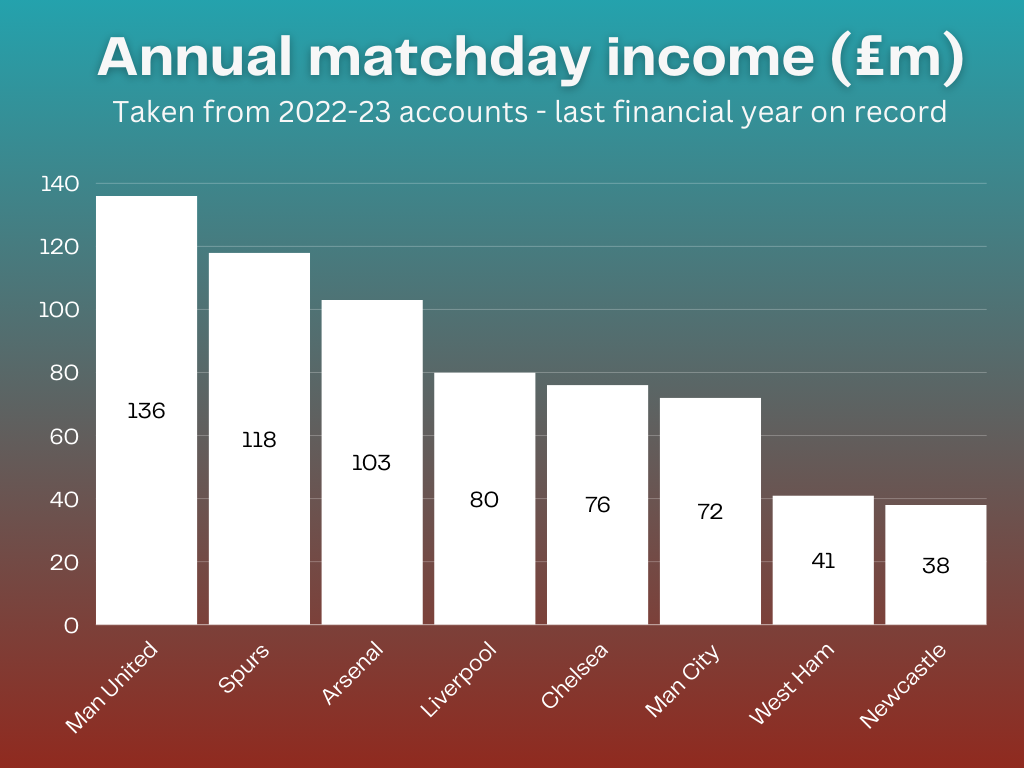
As tenants, West Ham enjoy the £41m-plus in income that the London Stadium yields annually but without the substantial costs of maintaining the stadium.
Despite it being a drain on the country’s purse, London Mayor Sadiq Khan insisted the London Stadium is not for sale.
Previously, it has been reliably reported that the Irons were not ruling out purchasing the stadium outright.
Why, when David Sullivan, Daniel Kretinsky and their peers in the West Ham boardroom have such a good deal at their home ground, would they entertain that prospect?
The £21m blackhole in the London Stadium’s budget
A cursory glance at the accounts of E20 Stadium LLP, the company that manages the London Stadium, illustrate just how remarkable West Ham’s rental deal is.
The venue, which saw West Ham earn a dramatic victory over Man United on Sunday, lost £21m in the last financial year alone.
The costs of running the stadium were £17.8m over the same period, while the company made just £2.3m in revenue besides the £4m they trousered from West Ham.
The deal represents such poor value for LLDC, the publicly-funded business responsible for the Olympic Park, that they settled sued the law firm that advised them on the deal before later settling out of court.
Each of West Ham’s matches in the Premier League meanwhile is believed to cost the taxpayer £100,000 to stage, with European games coming at greater expense.
£4.3m investment at West Ham’s home gets green light
In the latest news from the London Stadium that might be a chink of light at the end of the tunnel for its owners has emerged this week.
As confirmed by the BBC, the London Stadium is installing solar panels at the 62,500-seater venue at a cost of £4.3m which it hopes will make the ground more efficient and reduce its losses.
“These solar panels are a game changer for the London Stadium,” said Mete Cobham, London’s deputy mayor for environment and energy.
“[They will turn it] into one of the world’s greenest sports and concert venues and hugely reducing its energy use and running costs,”
London Stadium CEO Graham Gilmore added: “This ambitious large-scale investment will reduce our energy costs, but most importantly our carbon footprint.”
West Ham naming rights boost?
News that the London Stadium is set to get something of an upgrade is, on face value, largely immaterial to West Ham.
But could it actually be positive news in the club’s quest to secure a lucrative naming rights deal?
For several years, West Ham have wanted to package their front-of-shirt sponsorship rights with a naming rights deal for the London Stadium to secure a healthy payday and guarantee revenue for 10 years-plus.
However, the structure of the deal with the London Stadium landlords is such that they are the ones that have the final say on a naming rights deal.
What’s more, the first £4m of any annual deal would go to the landlords, with the remaining cash split 50-50 with West Ham.
There has been almost no progress made with a naming rights deal after Allianz, who recently sponsored the Twickenham Stadium in a £10m-a-year deal, pulled out of negotiations.
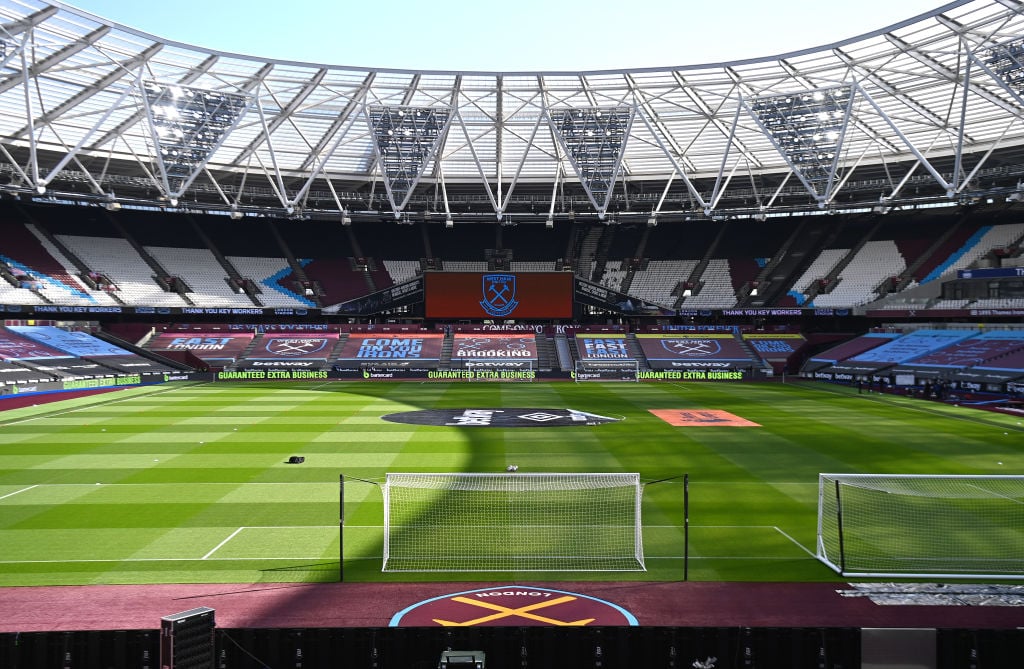
The fact that the stadium has now gone unbranded for over a decade will also likely have a detrimental impact on the value of the rights.
However, the positive PR and perhaps even the suggestion that the London Stadium is entering a new era with this £4.3m investment could breathe new life into the search for a partner.
Receive weekly football news and updates to your mailbox