
 Arsenal
 Aston Villa
 Chelsea
 Crystal Palace
 Everton
 Fulham
 Leeds United
 Liverpool
 Manchester City
 Manchester United
 Newcastle United
 Nottingham Forest
 Sunderland
 Tottenham Hotspur
 West Ham United
 Wolverhampton Wanderers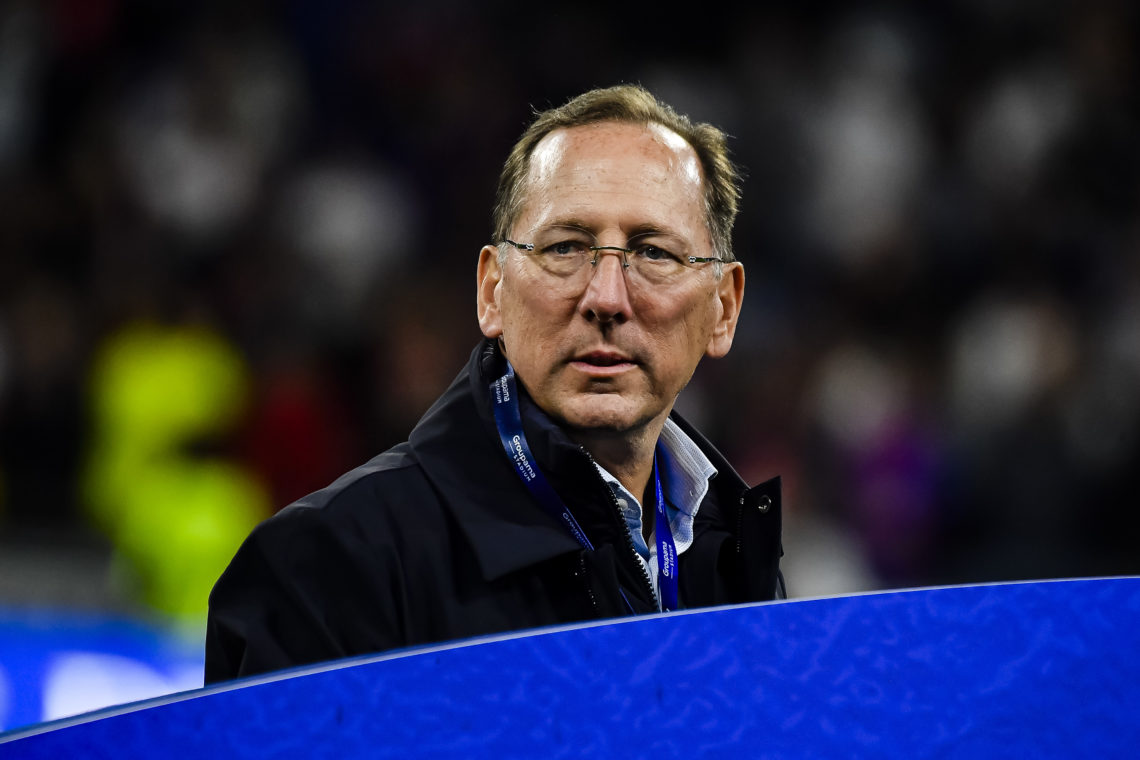


On face value, John Textor does not seem like the most practical option as Farhad Moshiri’s preferred bidder for Everton. And things could be further complicated by his wider business goals.
Textor, who owns 45 per cent of fellow Premier League side Crystal Palace, has reportedly been granted exclusivity by Moshiri to explore the finer points of a full takeover.
Textor’s Eagle Football Holdings, one of the largest multi-club operations in the world, encompasses stakes in Lyon, Botofogo, RWD Molenbeek and FC Florida as well as Palace.
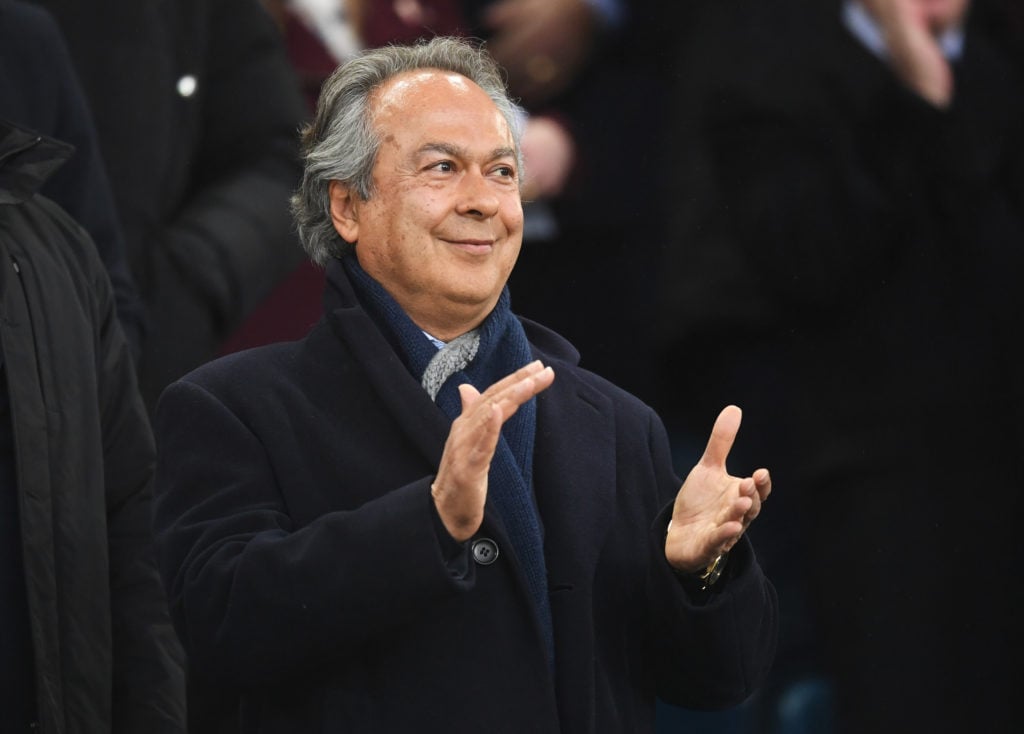
The Premier League’s conflict of interest rules dictate that Textor must sell his entire stake in Palace before he can take control of Everton.
The 58-year-old officially announced his intention to divest his Palace shares several months ago, citing frustrations at not being able to assume majority control of the South London club.
As well as that hoop to jump through, Textor must also make sense of Everton’s £600m-plus debt pile, which includes a potential legal hurdle in the form of a loan from former takeover suitors 777 Partners.
To explore what Everton might look like under the Missouri-born billionaire, TBR Football spoke exclusively to Liverpool University football finance lecturer and Price of Football author Kieran Maguire.
- READ MORE EVERTON NEWS: Everton make late move to sign £25,000-a-week player who is similar to Donny van de Beek
Everton on the Stock Exchange?
In an element of the would-be takeover that has gone underreported, Textor has been raising £160m cash ahead of an IPO, which could see his Eagle Football Holdings listed on the New York Stock Exchange.
Speaking to Brazilian outlet Globo earlier this summer, Textor said: “There are rules about gun-jumping. You aren’t supposed to advertise the fact that you are doing an IPO.
“The way you do an IPO is you file a registration statement, which is everything about your business – incredible detail, incredible transparency.
“It will be great for people who want to know everything about my business.
“I always tell people we are a private company and I don’t owe you any answers, but at that point, you’ll have the answers within four days of every material event.
We are filing that document. We are filing that document in the very near term. In the next few weeks.
“The New York Stock Exchange, the NASDAQ… We are filing it with the SEC and you decide what stock exchange you go on later.
“That will help Botafogo. If it is successful, it will strengthen our capital base, reduce our debt. The debt we took on when we bought Lyon, for example.“
If Eagle Football Holdings – and by extension Everton or Palace – are publicly listed, they would become only the second English club to have this status, alongside Man United.
What would the implications be? Maguire said: “It will be a challenge for John Textor to sell his shares in Palace given the complicated relationship with the ither significant shareholders.
“Having an IPO with his organisation will be access to public money. You are generating cash from smaller investors.
“The downside of an IPO in New York is you are subject to quarterly accounting requirements. There would be a greater degree of scrutiny on a more regular basis.
“There would also be higher compliance costs compared to if you were a private company. But you are getting the benefit of that money from the smaller shareholders to begin with.
“As far as Everton fans are concerned, the objective is to be as profitable as you can be. Therefore, for those fans who are looking forward to substantial amounts being spent, this could be curtailed.
“It wouldn’t necessarily be by a huge amount, as investment in players can turn into success on the pitch, which allows you to invest more in players, and it becomes a virtuous circle.
“But the objectives of a publicly listed company are to do what is best for the shareholders, not necessarily the fans. Those would be the main downsides.”
Textor could reinvest £137.5m Crystal Palace profit in Everton
Textor, or rather Eagle Football Holdings acquired the 45 per cent stake Palace for £87.5m in 2021.
Given that interest rates are high at present, it might not be the ideal time for him to have placed the club on the market, but they are an attractive proposition regardless.
He could be about receive nearly a 250 per cent return on his original investment if he can find the right buyer, forecasts Maguire.
“With the inflationary environment in the Premier League since the Newcastle takeover, there is no reason why Crystal Palace can’t go for £500m or more.
“A 45 per cent stake would therefore be worth somewhere in the region of £225m. That would be a substantial profit as far is John Textor is concerned.
“It would also be a substantial deposit in terms of his ability to invest in Everton and, if he is successful there, to clear some of the debts.
“That will allow the club to progress and assist in the PSR environment. The more money you can bring in the form of shares, the less is being borrowed.
“And the less is being borrowed, the lower your interest charges, which are a PSR-based expense.”
Textor’s debt history: A problem for Everton?
Textor has relied heavily on debt to fund his previous football purchases and, while he is rich on paper, he may be a low-liquidity individual.
A £225m down payment on his Palace stake would help, but is he the kind of owner Everton need when they have huge debts to pay off in the coming months and years?
“John Textor’s track record of using the debt market to generate funds might raise one or two eyebrows if he does move on to buy Everton,” said Maguire.
“Why? Because the club does already have substantial debts in the region of £600-700m.
“There are also additional costs to be incurred with regards to the opening of Bramley Moore Dock, which is likely to increase the level of borrowing.
“It is difficult to imagine how the club could take on more debt given that the main asset is the stadium and it sounds as though it is already at the equivalent of an 80 or 90 per cent mortgage.
“Textor may have to find alternative route here, perhaps via equity as opposed to going through the debt process.”
The £200m Dan Friedkin loan
As part of his failed takeover bid, Friedkin assumed control of a loan from another failed takeover suitor, MSP Sports Capital, worth £200m.
It is beleived that a clause in that agreement entitles Friedkin to demand payment immediately after an Everton takeover is complete.
But would the AS Roma owner take that route, or would it be more commercially smart to renegotiate?
“Most corporate lending agreements have what is known as a ‘change of control’ clause,” explained Maguire.
“What that means is that, should there be a change of ownership in the business, the lender has the right to instantly reclaim any outstanding funds.
“The reason is that the new owner might be deemed a greater risk than the old owner and lenders tend to be conservative in nature.
“They will want to consider their options.
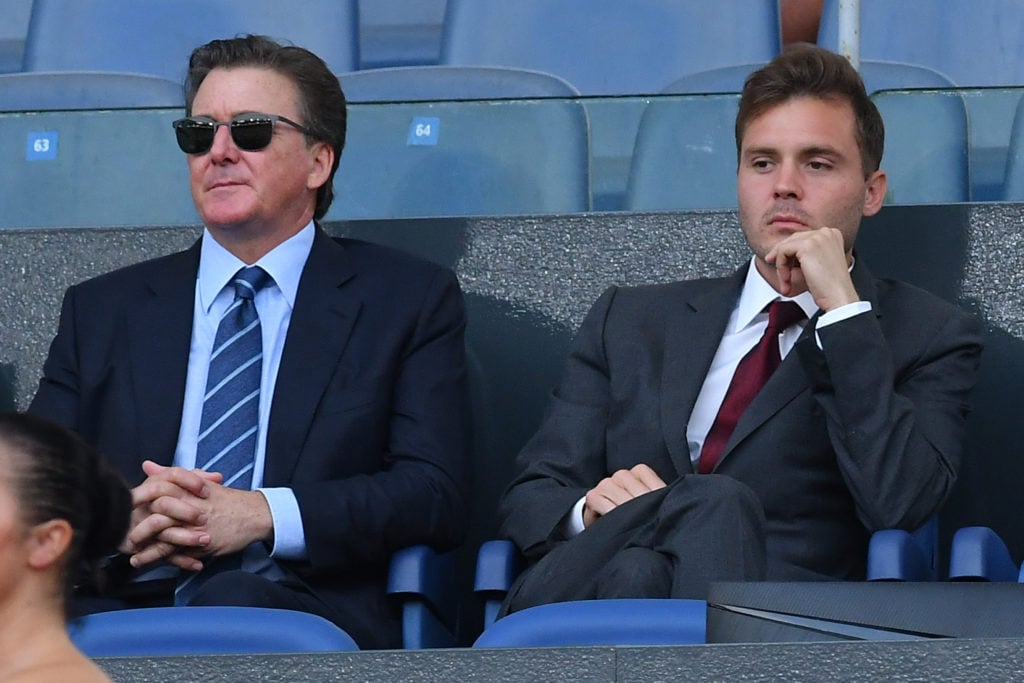
“If, however, the Friedkin Group assesses Textor to be a lower-risk owner than Farhad Moshiri and also if Friedkin is already on an interest rate on the money forwarded, they might decide that they are better off from a net position by keeping the money in Everton.
“That could be higher than they are earning elsewhere with surplus funds.”
Receive weekly football news and updates to your mailbox