
 Arsenal
 Aston Villa
 Chelsea
 Crystal Palace
 Everton
 Fulham
 Leeds United
 Liverpool
 Manchester City
 Manchester United
 Newcastle United
 Nottingham Forest
 Sunderland
 Tottenham Hotspur
 West Ham United
 Wolverhampton Wanderers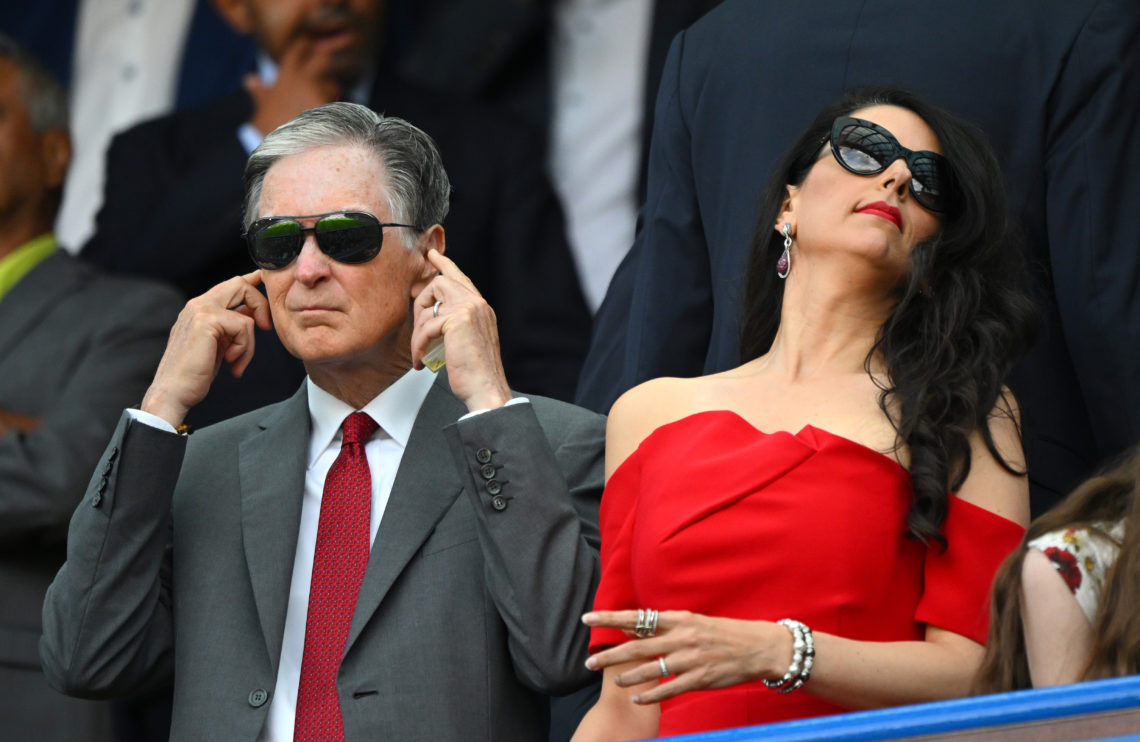


Liverpool are enjoying a magnificent start to life under Arne Slot, with last night’s win over RB Leipzig their 11th in 12 matches this term. But from the club’s bedrock support, there are still gripes about FSG.
Since the Boston-based investment group steered Liverpool into the ill-fated European Super League in 2021, the fanbase have justifiably had their guard up.
Their commercial focus has seen revenue rise by over 100 per cent in the last decade, with commercial revenue alone from last season expected to eclipse the £300m FSG paid for the club in 2010.
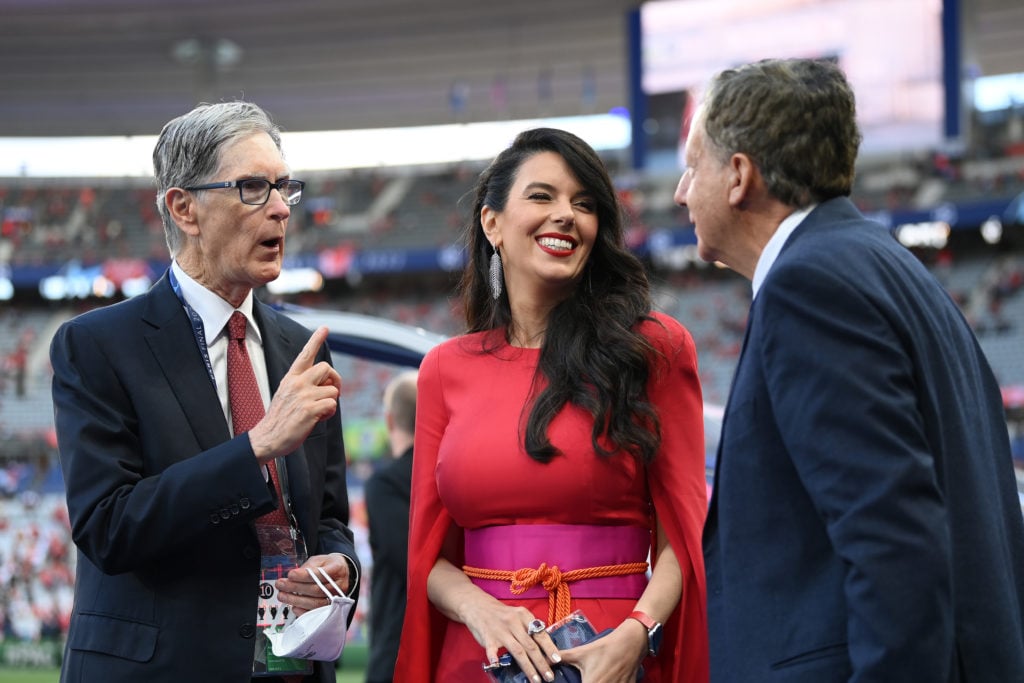
That in turn has boosted the cash available for the transfer and wage budget, but it also is a source of unease for some fans who feel they are being treated as consumers and little else.
Within the sports industry, Fenway Sports Group’s reputations is almost peerless and they are one of a tiny pool of institutions to own multiple teams in the top-50 most valuable sports franchises.
They have not got to that position without knowing to monetise a fanbase.
In the United States, where the vast majority of their investments are located, supporters are more accustomed to being treated as customers.
In England, however, there is more resistance because of football’s sociocultural and historical significance.
And Sunday’s blockbuster match away to Arsenal will provide the stage for Liverpool fans to protest one of the issues of the day face by regular, match-going supporters.
Liverpool supporter group up in arms over prices
In 2022-23, the last financial year on record, Liverpool earned £80m in matchday income.
The season before, it was £86m. By the time they release their accounts for 2023-24 in February next year, they are expected to be approaching the £100m mark.
In 2024-25, Liverpool will be on the coattails of the Premier League’s biggest matchday income earners – Man United, Arsenal and Tottenham – thanks to the redevelopment of Anfield.
FSG have pumped in almost £200m in interest-free loans recent years to finance the expansion and improvement of both the Main Stand and Anfield Road Stand.
That in turn has helped Anfield become a venue for superstar music acts such as Taylor Swift, whose three dates at the now-61,000-seater stadium are believed to have netted Liverpool around £10m.
As with any stadium revamp in the modern game, there has been a focus on hospitality and how to squeeze every last penny from supporters.
That has meant ticket price rise.
Influential Liverpool supporter group the Spirit of Shankly, who are represented on the club’s Fan Advisory Board, will protest at the Emirates Stadium on Sunday in support of the Football Supporters Association’s StopExploitingLoyalty campaign.
Speaking ahead of the protest, which will be joined by equivalent demonstrations from other fanbases around the country over the next two weekends, FSA chair Tom Greatorex said: “The Premier League and its clubs really need to listen to this message – clubs must cherish and reward supporter loyalty rather than exploit it.
“Fans feel clubs often care more about attracting one-off visitors who’ll pay through the nose for a ticket while spending fortunes in the club shop, when they should be looking to reward those who go week in, week out, win or lose.
“A decade ago the FSA secured a £30 away price cap in the Premier League and we’d implore clubs to speak to their supporters and find new ways to make sure football is affordable for all. We are certainly having those discussions with the leagues.
“An incoming Independent Football Regulator should also ensure ticket prices are part of a proper consultation process between a club and its supporters – something which is far from the case at present.”
- READ MORE: Pundit thinks he’s spotted a sign that Trent Alexander-Arnold is going to leave Liverpool
Do Liverpool really need to raise prices?
Liverpool’s prices rose by around two per cent across the board ahead of 2024-25.
That might not sound significant, but the margins are tight for many supporters, especially of a club that prides itself on its working class roots.
And the two per cent rise is an example of the mission creep that we are witnessing across the Premier League at present.
It is the same logic that is being applied at Tottenham and West Ham, where concessionary ticket prices are being phased out in terms of a more lucrative pricing structure.
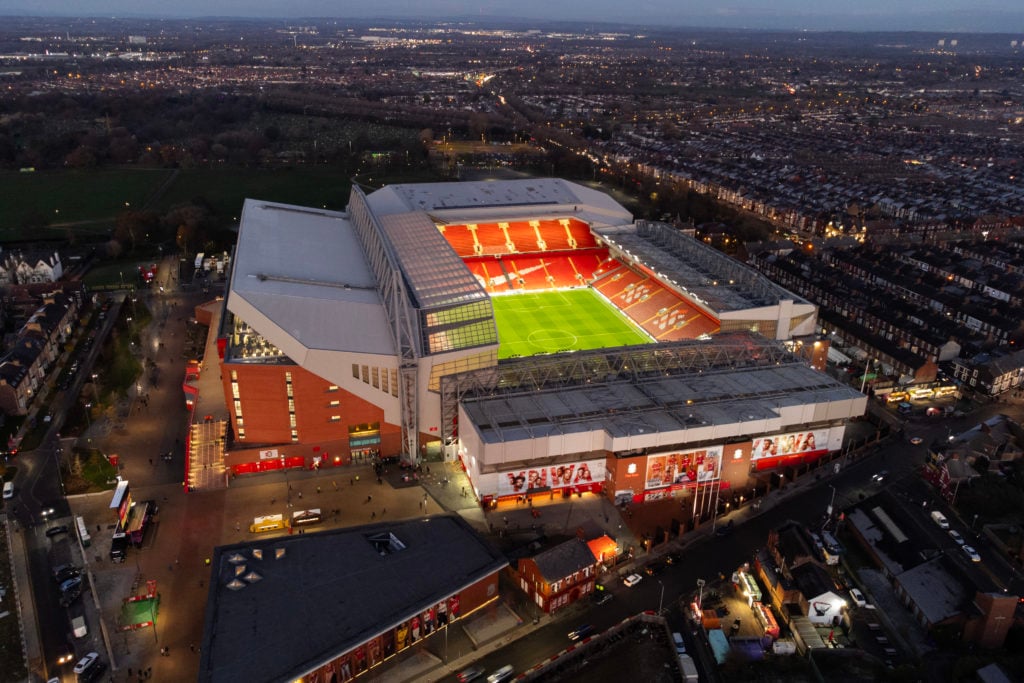
Matchday income is the most modest of the three income streams that Premier League clubs rely on, the other two being commercial and media revenue.
More than most, Liverpool have the global brand and commercial appeal to accommodate affordable prices in the non-hospitality areas of their famous old stadium.
Receive weekly football news and updates to your mailbox