
 Arsenal
 Aston Villa
 Chelsea
 Crystal Palace
 Everton
 Fulham
 Leeds United
 Liverpool
 Manchester City
 Manchester United
 Newcastle United
 Nottingham Forest
 Sunderland
 Tottenham Hotspur
 West Ham United
 Wolverhampton Wanderers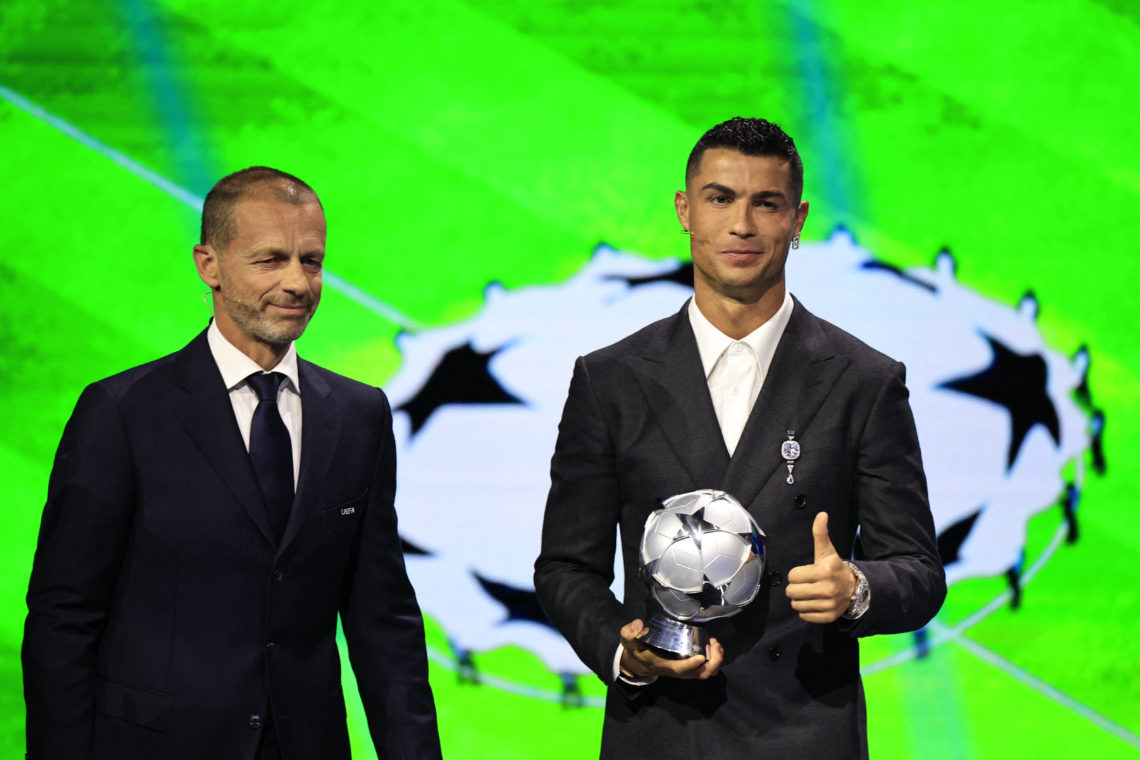


The Kroenke ownership regime at Arsenal are looking for a way to dramatically increase their revenue base to give them more flexibility in the transfer market and the chance to regularly turn a profit.
Until the 2016-17 financial year, Arsenal had not made a financial loss for a decade.
That period of sustained profitability began in tandem with the start of the Stan Kroenke era, with the Missouri-born billionaire first buying into the club in April 2007.
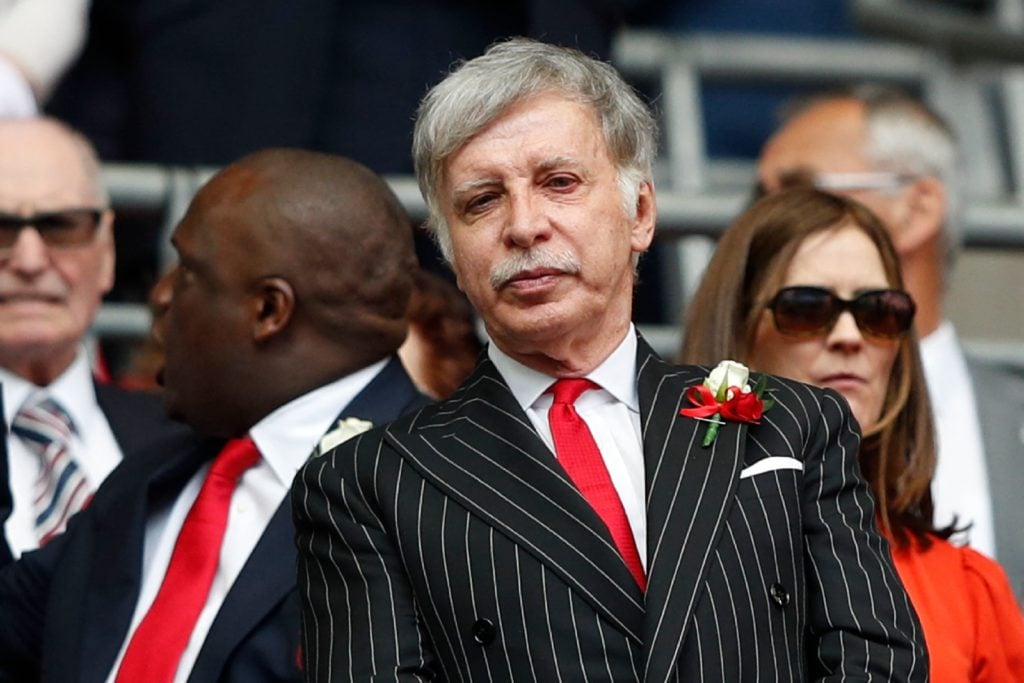
But since 2017, as Kroenke has increased his shareholding in the club from 10 to 100 per cent, the North London club have posted five consecutive deficits totalling more than £300m.
This is not out of the ordinary for a Premier League club. The trend across the division has been to lose money more years than not, especially over the pandemic years.
However, Arsenal’s losses have coincided with Kroenke taking off the handbrake in terms of expenditure in the transfer market.
Their amortisation bill – how clubs account for transfer fees over a period of time – has risen from £77m in 2017 to £139m at the last count.
The absence of Champions League football for the seven seasons up to 2023-24, when Mikel Arteta‘s side reached the quarter-finals, has also not helped.
The unpredictable nature of football, where European qualification can make or break a club’s season financially, is one of the reasons Arsenal are looking for ways to make the calendar more lucrative.
Aleksander Ceferin’s stance on Arsenal-backed plan
Arsenal are one of the clubs supporting the expanded Club World Cup, which will start a new era in 2025 as a 32-team tournament.
Previously, they backed the ill-fated European Super League and Project Big Picture breakaway projects.
The common theme is a desire from the ownership to play more matches and earn more money, in contrast to Mikel Arteta’s belief that the fixture calendar is overcrowded.
That is a view seemingly shared by UEFA president Aleksander Ceferin.
“There are too many matches, probably today, already,” he told Sky News.
“The thing is that from one point of view, we have clubs saying we cannot afford paying the players and coaches anymore. They are in financial difficulties.
“From the other point of view, players, of course, don’t want to play more matches, but I think with these interesting matches, this will be a benefit for everyone.”
“The calendar is full and it’s so full that nothing can change anymore.
“I think we cannot play one more match, but for the rest, I think that everybody wants to win the European competitions.”
Ceferin, who was on stage as Arsenal learned their Champions League draw last week, can speak candidly as he is in his final term as UEFA president. He will leave the role in 2027.
The Club World Cup and expanded Champions League’s value to Arsenal
In the first edition of the expanded Club World Cup next year, Chelsea and Man City are the Premier League’s sole representatives.
However, Arsenal see themselves as having the potential to be regulars in the Club World Cup, which UEFA thinks can guarantee £35m in revenue for top clubs.
That figure is down on initial estimations, which had put the value of the FIFA tournament at closer to £85m for the likes of Arsenal.
World football’s governing body has encountered some issues with securing a TV deal for the competition and may now expand its own streaming service to air it.
A more reliable source of regular income is the expanded Champions League format, which will see four more teams enter the competition under a Swiss system format.
Arsenal could earn an extra £23m from the Champions League this season compared to previous years. And that is before one factors in the extra matchday and commercial income opportunities.
Receive weekly football news and updates to your mailbox