
 Arsenal
 Aston Villa
 Chelsea
 Crystal Palace
 Everton
 Fulham
 Leeds United
 Liverpool
 Manchester City
 Manchester United
 Newcastle United
 Nottingham Forest
 Sunderland
 Tottenham Hotspur
 West Ham United
 Wolverhampton Wanderers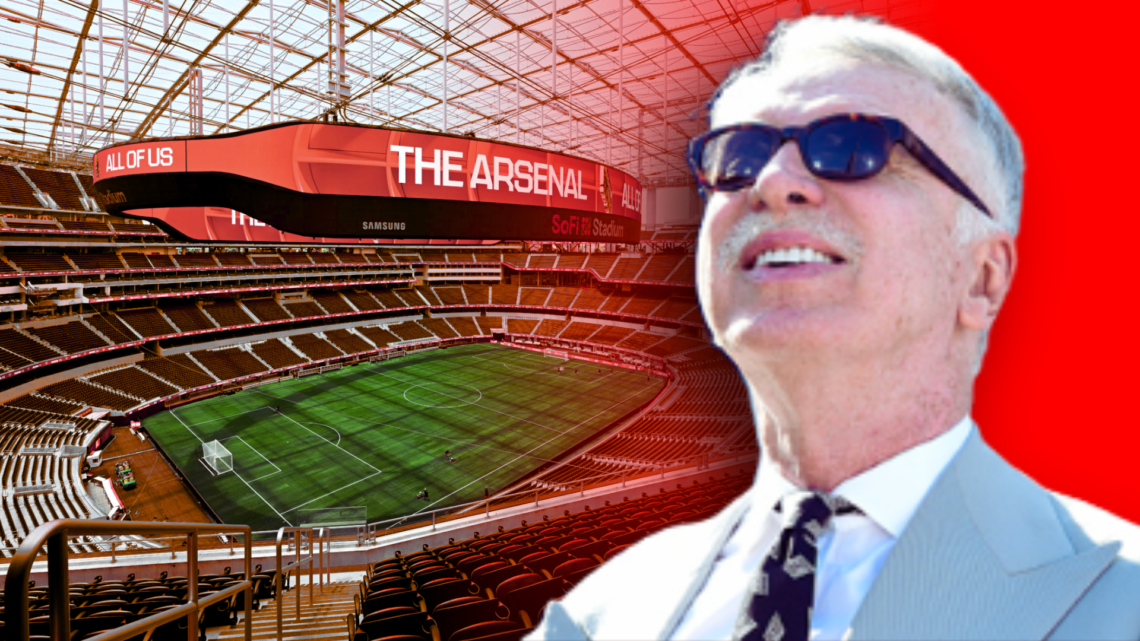


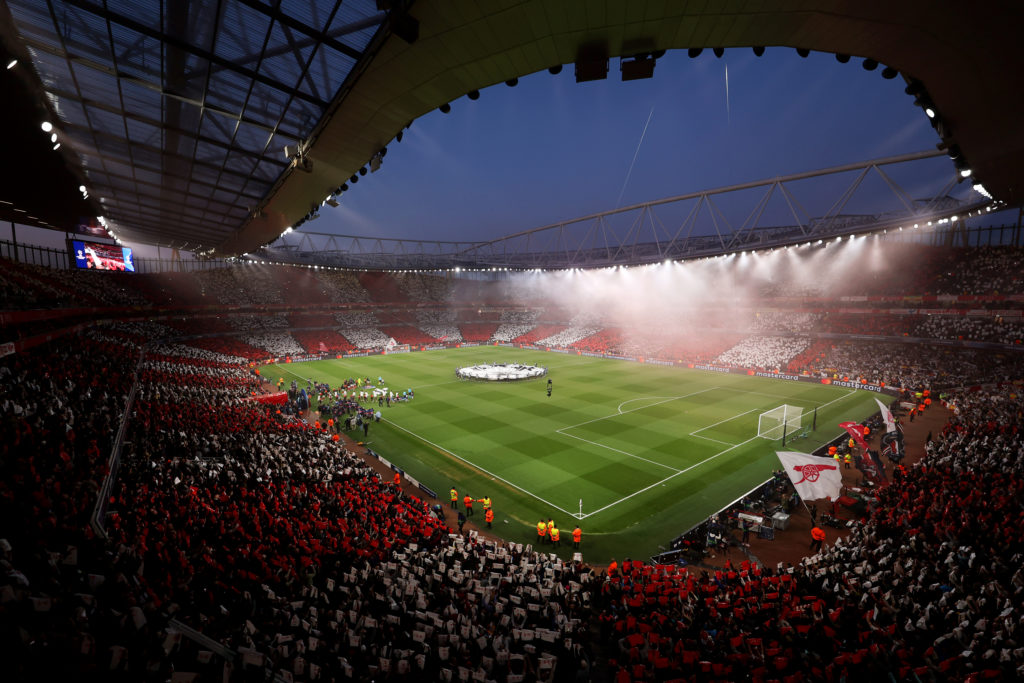
Arsenal’s Champions League classic against Real Madrid on Tuesday was probably the best the Emirates Stadium has ever been – imagine if an extra 20,000 were in attendance.
It has now been almost a year since Josh Kroenke, who is now becoming almost as powerful as Stan Kroenke in KSE’s diarchic system, revealed that Arsenal are considering expanding the Emirates.
It was almost a passing comment at the time but that flicker has turned into a flame, with Arsenal having seemingly set its sight on an 80,000 capacity.
But capital expenditure projects of this magnitude take a lot of time and even more money.
The Gunners will likely have to build upwards – and in stadium construction, the higher the seats, the more expensive. Arsenal will likely have to pay upwards of £500m to realise their capacity ambitions.
Then, there is infrastructure costs. Public transport, access planning, utilities and technology upgrades will all demand huge respective budgets.
Raising that kind of money takes time. Even Stan Kroenke, the 85th richest person in the world at the time of writing, doesn’t have that much liquid capital down the back of the sofa.
Where Stan Kroenke sits in football’s richest private owners
| Name | Rank in top 500 richest people | Net worth | Club(s) |
| Abu Dhabi sovereign wealth | – | $1Trn | Manchester City |
| Saudi Public Investment Fund | – | $930B | Newcastle United |
| Qatar sovereign wealth | – | $525B | PSG, Braga |
| Bernard Arnault | 4 | $189B | Paris FC |
| Mark Mateschitz | 80 | $23.4B | Red Bull clubs |
| Stan Kroenke | 85 | $22.8B | Arsenal, Colorado Rapids |
| Philip Anschutz | 86 | $22.8B | Los Angeles Galaxy |
| David Tepper | 87 | $22.4B | Charlotte FC |
| Francois Pinault | 90 | $22.1B | Stade Rennais |
| Dietmar Hopp | 112 | $18.4B | 1899 Hoffenheim |
| Jim Ratcliffe | 200 | $12.4B | Man United, Nice, Lausanne |
| Hansjoerg Wyss | 218 | $11.9B | Chelsea, Strasbourg |
| Josh Harris | 224 | $11.7B | Crystal Palace |
| Simon Reuben | 227 | $11.5B | Newcastle United |
| David Reuben | 228 | $11.5B | Newcastle United |
| Dmitry Rybolovlev | 246 | $11.1B | AS Monaco |
| Mark Walter | 252 | $10.9B | Chelsea, Strasbourg |
| Dan Friedkin | 253 | $10.9B | AS Roma, AS Cannes, Everton |
| Shahid Khan | 307 | $9.33B | Fulham |
| Nassef Sawiris | 324 | $8.95B | Aston Villa, Vitoria |
| Daniel Kretinsky | 402 | $7.69B | West Ham, Sparta Prague |
| Joe Lewis | 405 | $7.66B | Tottenham |
| Todd Boehly | 426 | $7.28B | Chelsea FC, Strasbourg |
All that is to say, Arsenal fans will probably be waiting a few years yet until the ribbon-cutting ceremony for the Emirates Stadium 2.0.
But with Manchester United having fired the starting pistol on their own new jaw-dropping stadium project and a host of ambitious clubs planning something similar, time is of the essence.

Arsenal aren’t exactly in the poor house when it comes to matchday income. Only United earned more last season, and the Gunners will probably surpass them this season.
But the Premier League – and indeed the wider football finance ecosystem – is locked in a never-ending space race, with uber-ambitious, uber-smart challenger clubs determined to topple the established order.
There is a lot of focus on brand and media in sports business, the intangibles. That’s great, and it might be where the biggest unrealised upside lies, but the Kroenkes understand the value of bricks and mortar.
The latest news from the United States illustrates exactly that and might give some indication about what the ownership regime in North London have up their Cartier cufflinked sleeves.
- READ MORE: Spain’s media deliver their Jakub Kiwior verdict after watching Arsenal defender vs Kylian Mbappe
Stan Kroenke announces new £8bn complex as Arsenal mull Emirates Stadium expansion
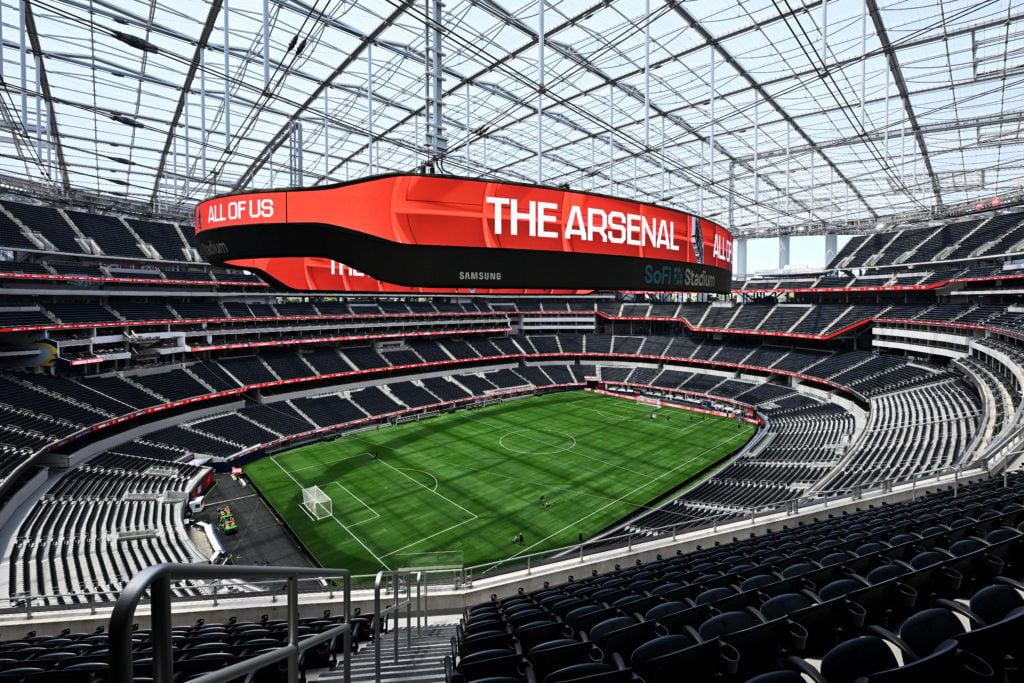
In July last year, Arsenal played Manchester United at the SoFi Stadium in Los Angeles. That match, which Mikel Arteta’s side won 2-1, was attended by 62,500 fans.
Figures relating to how much revenue the exhibition match generated aren’t available but the cheapest ticket costs £97, which would equate to over £6m.
Take into account corporate hospitality, premium seats, food and drink, sponsorship, merchandise sales etc and the final figure was probably closer to £10m – and that’s a very conservative estimate.
The stadium was privately financed by Stan Kroenke, with help from the NFL. It’s the home of his Los Angeles Rams American football franchise and cost around £4.5bn.
The SoFi Stadium opened its doors less than five years ago but the Kroenkes aren’t resting on their laurels.
As revealed by the LA Times, the Rams are constructing a new team headquarters and training centre at the heart of a mixed-use commercial and residential development set to cost over £8bn.
Work on the 100-acre site in Woodland Hills, about 30 miles away from the SoFi Stadium, is slated to begin in 2027 and could last as long as 10 years.
Speaking for first time about the development, Kroenke told the LA Times: “We are well positioned to get going. We’re working hard on it and it’s exciting. The master plan is to bring some kind of central cored to the Valley. This is definitely capable of creating that.”
The site will also encompass two mini venues with capacities of 5,000 and 2,000 for gigs and other events.
What new LA project tells us about Kroenke’s plans for the Emirates
This is textbook Kroenke. He understands the value of real estate and its complementary attributes for sport better than almost anyone.
When Arsenal do break ground on the expansion of the Emirates Stadium, the same brushstrokes will be there. It’s all about the sport itself as an entry point into new markets.
It’s worth noting that the Emirates is the only stadium any of Kroenke’s major sports teams play at that hasn’t been built on his watch and with his money.

The expansion will allow him to put his stamp on it and update a design which, although it was opened in 2006, was built on blueprints from the 90s.
Elsewhere on planet Kroenke, Ball Arena in Denver is also having a makeover. Or, more accurately, its 64-acre car park is. The plan, like in Woodland Hills, is for a money-spinning commercial-residential complex.
That means Kroenke Sports & Entertainment could realistically be planning and financing three huge capital expenditure projects simultaneously.
As far as Arsenal are concerned, that might mean the owners won’t have the free cash to underwrite losses as they have done in the last five years.

In turn, that means the Gunners will need to be increasingly self-sufficient, spending only what they earn in the transfer market and wage budget.
For the owners, this has always been the plan: demonstrate the long-term viability of the business model and eventually sell to a buyer who recognises the value of the club as cash machine.
UEFA’s decision on Champions League format after Arsenal bank £95m
If Kroenke is going to demonstrate the viability of his business plan at Arsenal with a huge hike in matchday income, it helps to have more matches to play at the Emirates Stadium.
Arsenal’s rip-roaring 3-0 win over Real Madrid in mid-week was their sixth match in Europe at home this season thanks, one more than at the same stage last season thanks to the Champions League format.
The Swiss system format, which has seen clubs play two extra league phase matches, has generated huge revenues in its maiden season. Arsenal have already banked £95m from UEFA so far this season.

Now, European football’s governing body has confirmed that the format will remain in place next season.
This was always overwhelmingly unlikely but is a boost for Arsenal all the same.
Kroenke was among the owners who lobbied for the new format behind the scenes, with the 36-team Champions League seen by many as a move to placate ex-Super League clubs hungry for more cash.
Receive weekly football news and updates to your mailbox