
 Arsenal
 Aston Villa
 Chelsea
 Crystal Palace
 Everton
 Fulham
 Leeds United
 Liverpool
 Manchester City
 Manchester United
 Newcastle United
 Nottingham Forest
 Sunderland
 Tottenham Hotspur
 West Ham United
 Wolverhampton Wanderers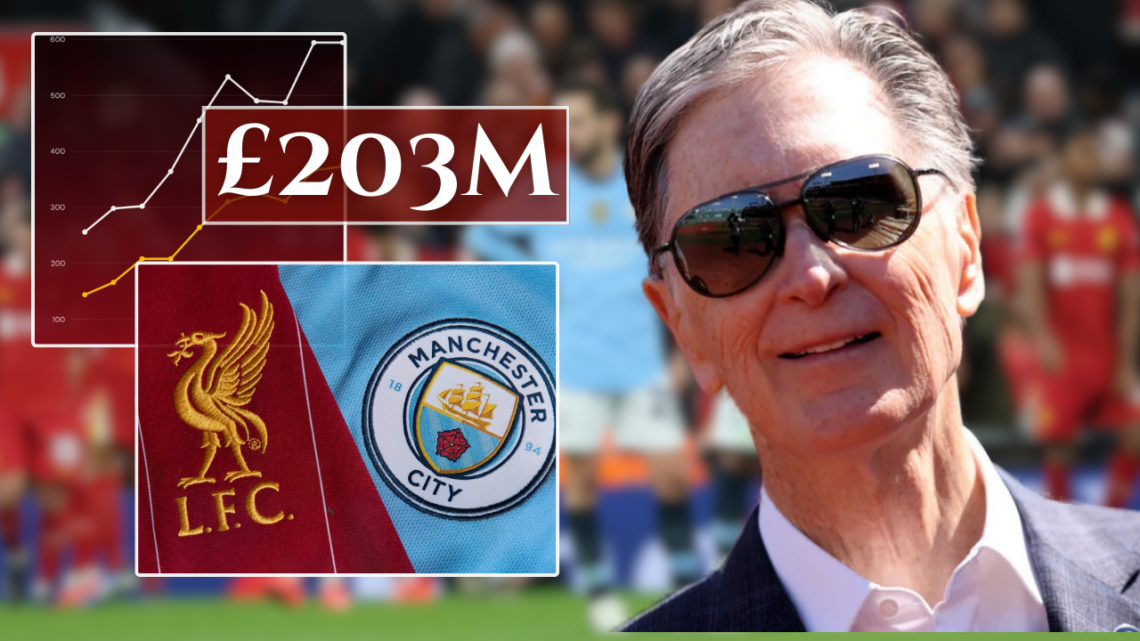


Supporters hate to hear their club talked about as a ‘brand’ but Liverpool, with an estimated 500 million fans worldwide, are one of football’s biggest brands with the balance sheet to back it up.
While it may be a little dubious to suggest that one in every 16 people globally support Liverpool, the statistic says a lot about the power of the liver-bird-and-Shankly-Gates badge.
Incidentally, Man United regularly cite their ‘1.1 billions fans worldwide’, which suggests their marketing department may be playing a little fast and loose with the definition of a ‘fan’.
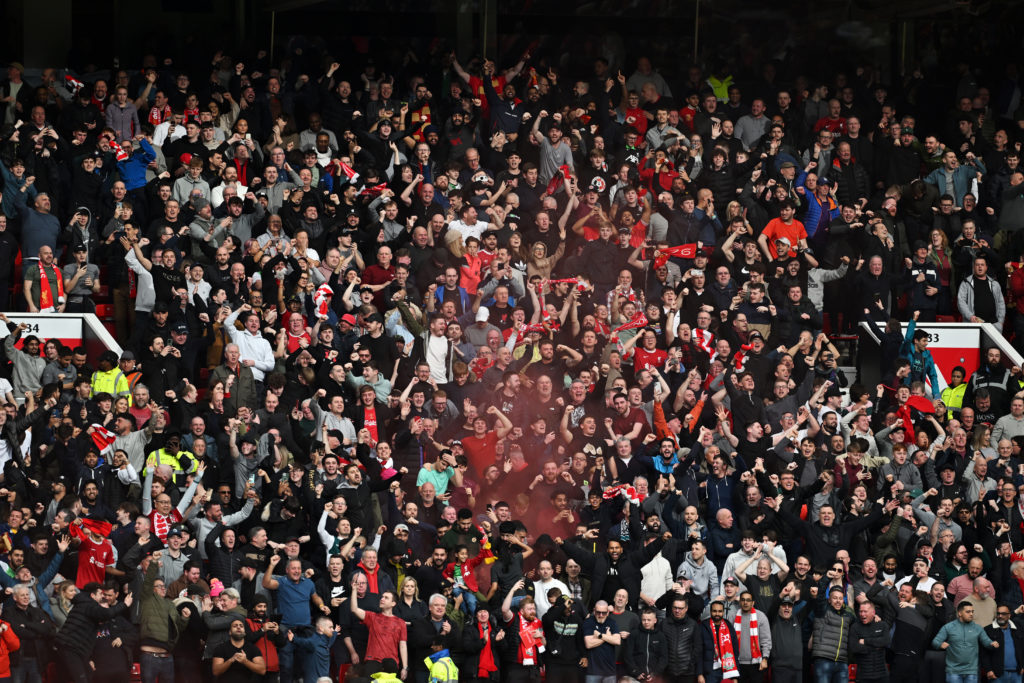
The globalisation of Liverpool is – understandably – a source of angst for many bedrock fans, who support Liverpool the club, not Liverpool the corporation.
But Fenway Sports Group (FSG) are experts in leveraging IP and squeezing commercial income from historic brands, as the Boston Red Sox, Pittsburgh Penguins and Liverpool can all attest.
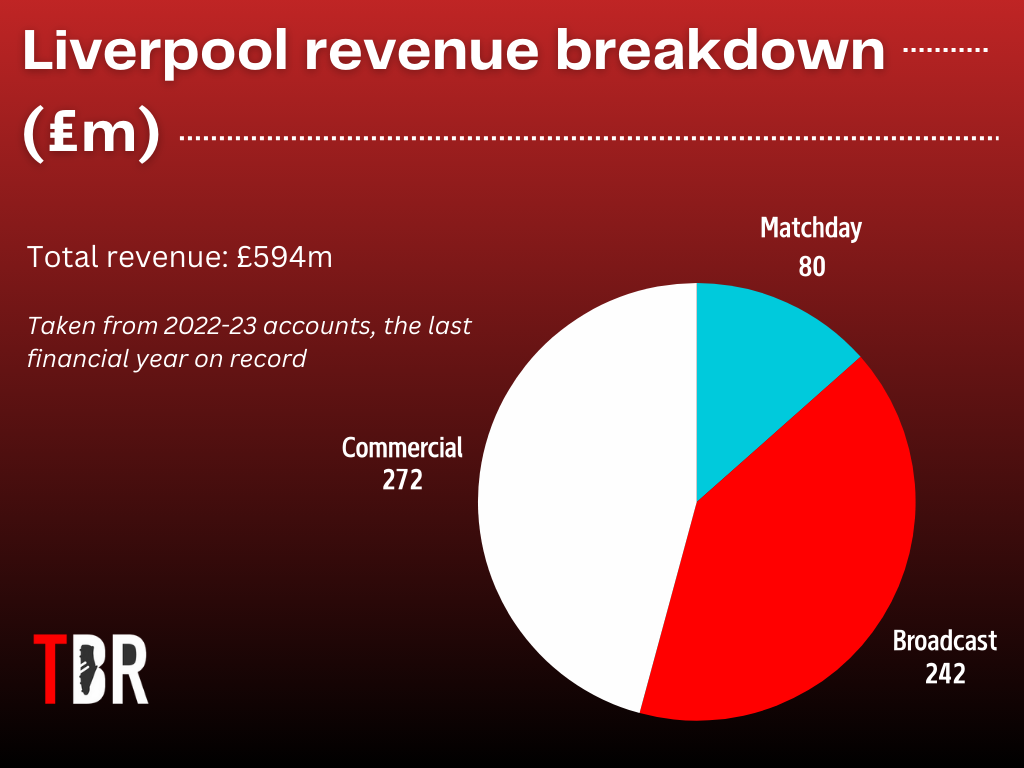
The Boston-based owners’ outpost in a faraway corner of North West England generated £272m through sponsorship, merchandise sales and events in the last financial year alone.
Since FSG bought the club in 2010? Almost £3bn.
John Henry, Tom Werner and the rest of the FSG cohort paid around £300m to buy Liverpool from Tom Hicks and George Gillette. If they sold it tomorrow, it would fetch 10 times that price at least.
That astonishing level of capital growth is attributable almost entirely to the globalisation of Liverpool and Premier League football in general.
Worth more than £5bn in the current cycle, the Premier League’s international TV rights have now surpassed the value of their domestic counterparts – with Sky Sports, TNT and Amazon – for the first time.
The special sauce? Clubs like Liverpool, who have been aggressively courting the global market for many years in a bid to expand their customer base.
FSG regularly take Liverpool on pre-season tours of the United States and, ahead of 2025-26, are exploring a summer trip to two other ripe commercial markets in Japan and Hong Kong.
Promoter fees and tour sponsors make these deals hugely lucrative, yes, but the real value lies in their ability to market the club to potential new commercial partners and deliver results for existing ones.
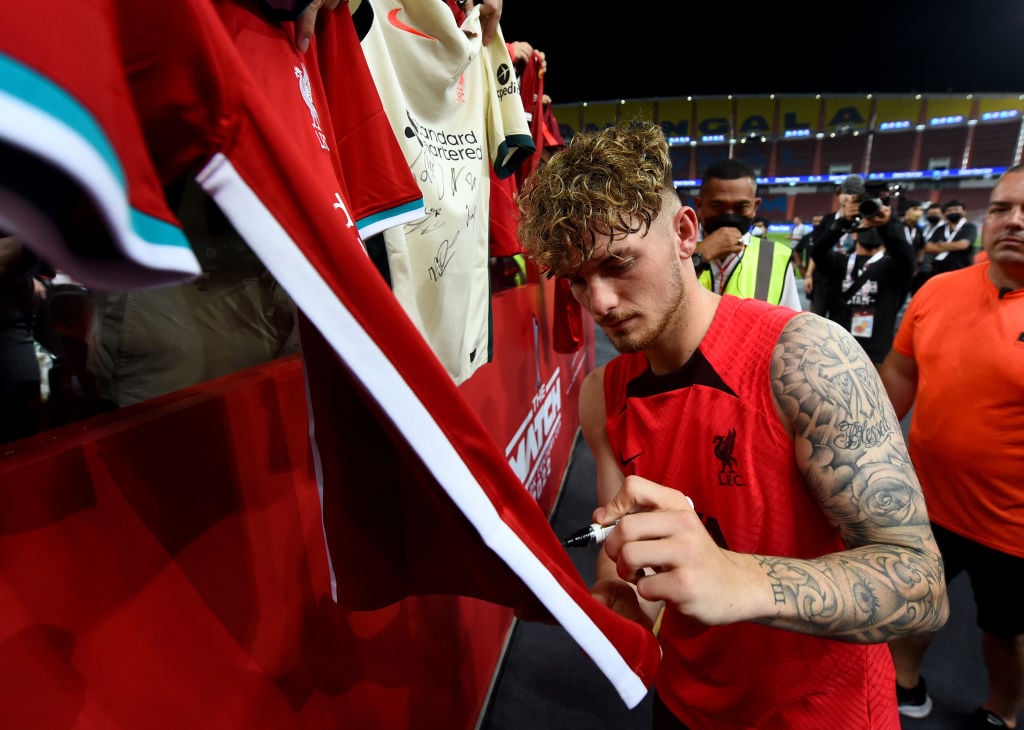
Liverpool’s partnership with Japan Airlines, for example, will benefit from the boots-on-the-ground presence of the club’s superstars in East Asia.
So when FSG’s representatives on Merseyside talk adoringly about their overseas fanbase, they mean it, although ‘customers’ might be a more appropriate term for how they see them.
Now, the latest news direct from the club itself shows just how far Brand Liverpool reaches.
Liverpool reveal record fan data and ready to announce £203m finance boost
In 2021-22, the last financial year for which data is publicly available, Liverpool earned £242m in media income.
That was a Champions League season, so a notable drop-off is expected when they officially release their figures for 2023-24, when Jurgen Klopp’s side failed to make it far in the less lucrative Europa League.
However, the latest insights from Deloitte’s Football Money League based on data not yet in the public domain show that the Reds still banked £203m in TV cash despite their absence from UEFA’s top table. .
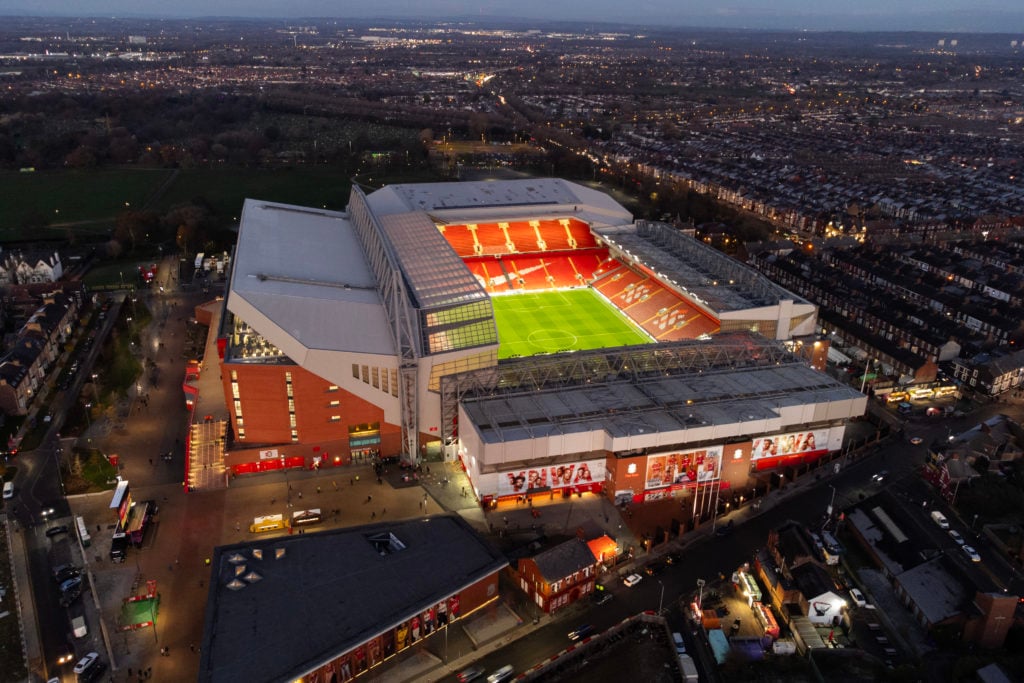
Most of the value from TV deals is negotiated centrally by the Premier League and UEFA, but Liverpool’s income has stayed so high partially because of ‘facility fees’.
These fees, which amount to over £1m per game in the Premier League, are paid out to clubs every time their matches are televised domestically.
Liverpool had comfortably the highest TV income of any club in the Money League who did not participate in the Champions League last season.
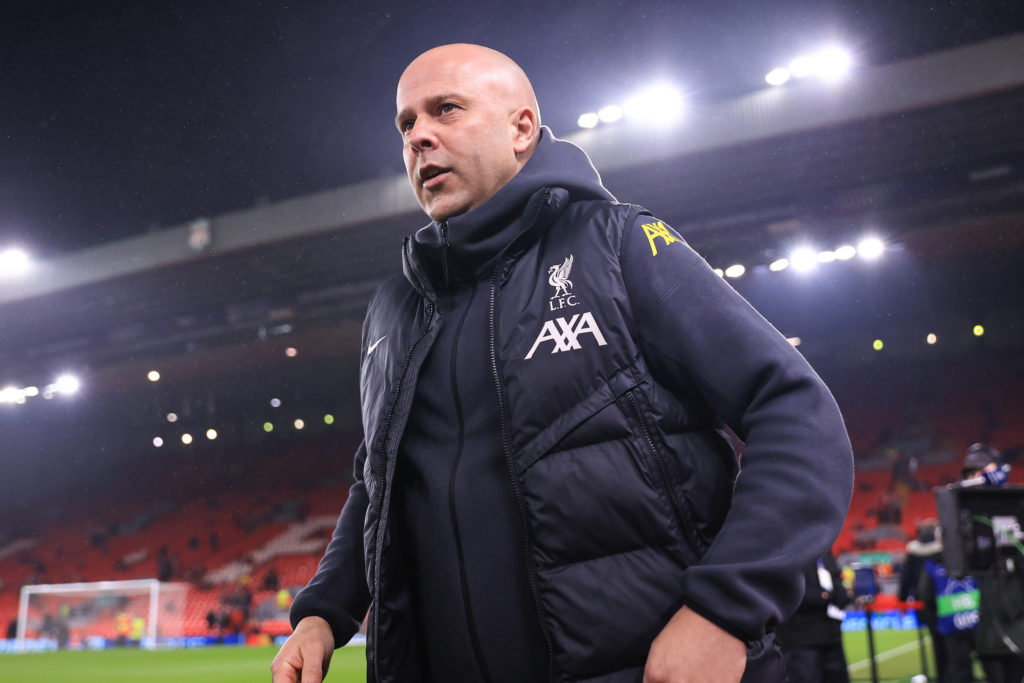
This term, with Arne Slot’s side having qualified for the knockouts following Tuesday’s 2-1 win over Lille and standing every chance of going deep in the competition, their income will be significantly higher.
What’s more, Liverpool officially announced on Wednesday that independent data shows that they have been the Premier League’s most watched club in 2024-25.
They achieved the same status last season, when 471 million followers tuned into Liverpool matches all-told.
The new data, which only accounts for up to October, shows that 133.8 million have watched Slot’s team on the box so far.
- READ MORE: Liverpool owner John Henry’s stance on £4.9bn US takeover after FSG update in last 24 hours
The Nielsen connection: Why Man City were upset with Liverpool partnership
The data that crowned Liverpool the most-watched team was collated by US media analytics titans Nielsen.
Curiously, Nielsen’s relationship with Liverpool and several other Premier League rivals was the subject of complaints from Manchester City at the time of a recent landmark case in the arbitration courts.
In their partly-successful challenge to the league’s Associated Party Transaction (APT) Rules, City were upset that Nielsen were hired to assess the fair market value of owner-linked commercial deals.
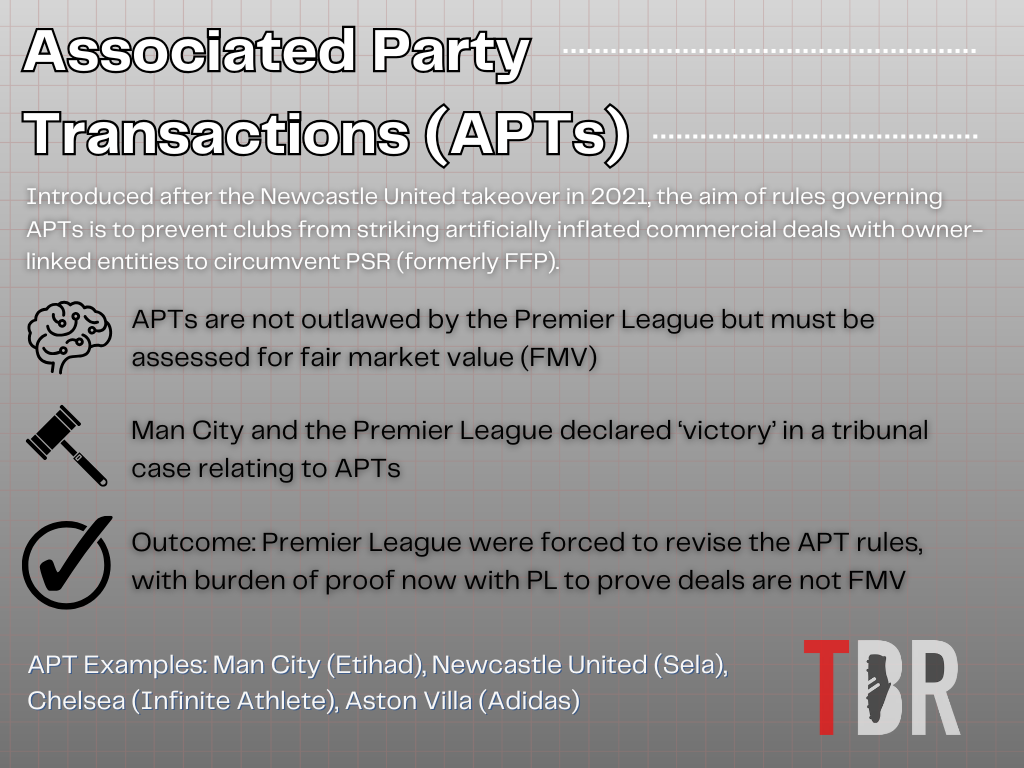
Why? Because the 102-year-old corporation has commercial associations with Liverpool and others, with the implication being that these relationships could prejudice them in the fair market value assessment.
That was seen as quite a reach in the football finance community given Nielsen’s spotless track record for impartiality, which is ultimately their brand and the means by which they sell products and services.
In any case, the extent of Liverpool’s commercial deal with Nielsen is not known.
It is not a sponsorship arrangement. Instead, it is more likely that the Reds use one of Nielsen’s services, such as their Fan Insights platform.
This software allows the club to track things like supporters’ retail habits in remarkably granular detail, in turn giving the club the foundations to better monetise their fanbase.
Receive weekly football news and updates to your mailbox