
 Arsenal
 Aston Villa
 Chelsea
 Crystal Palace
 Everton
 Fulham
 Leeds United
 Liverpool
 Manchester City
 Manchester United
 Newcastle United
 Nottingham Forest
 Sunderland
 Tottenham Hotspur
 West Ham United
 Wolverhampton Wanderers


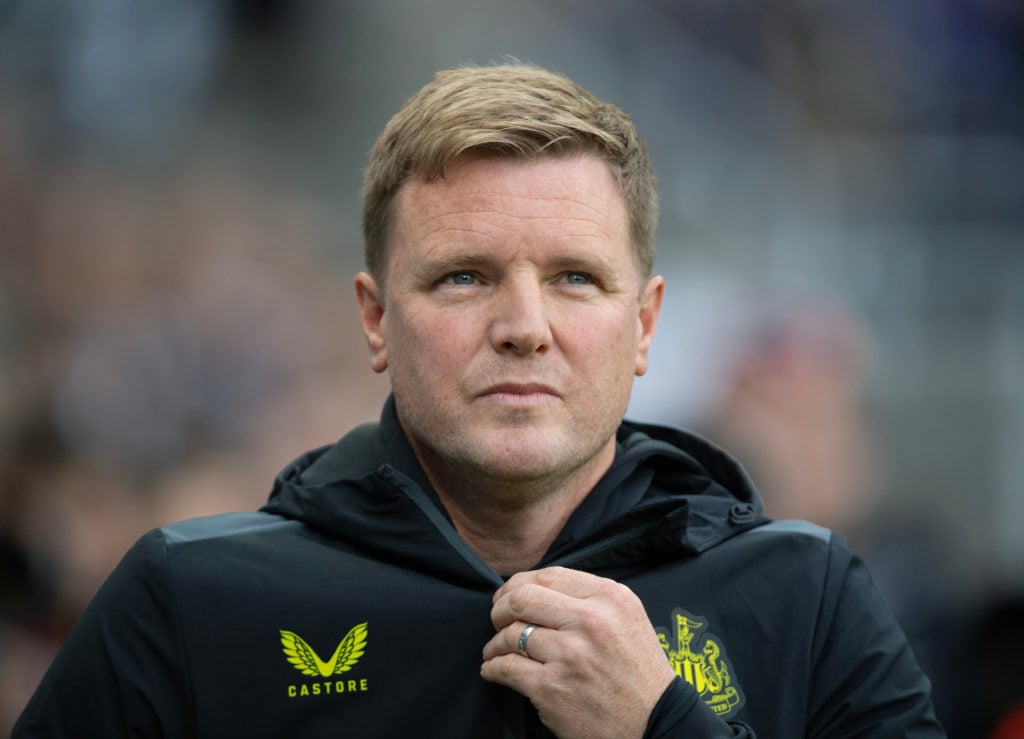
It’s been a mixed first half of the season so far for Newcastle United, whose 4-0 win over Leicester City at the weekend perhaps papered over some cracks that Eddie Howe would love to address in January.
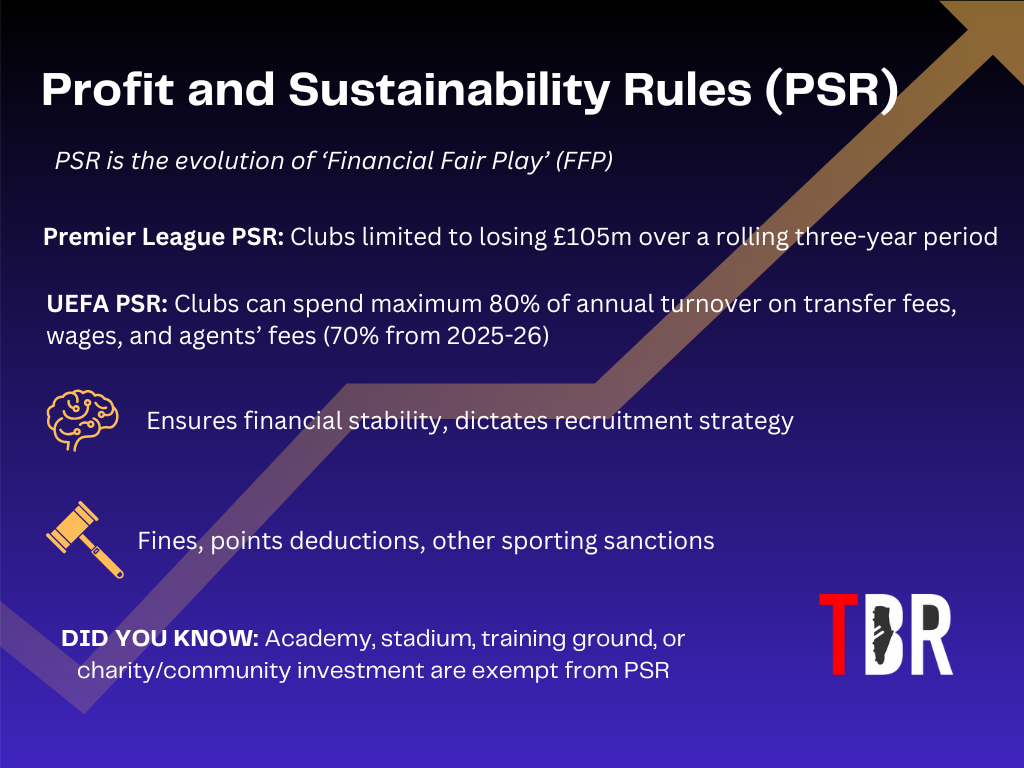
The issue, as Newcastle supporters are surely sick of hearing, is the Premier League’s Profit and Sustainability Rules (PSR), which limit what they are able to do in the transfer window.
Those who TBR Football speak to in football finance expressed surprise that none of Alexander Isak, Bruno Guimaraes or Anthony Gordon was sold in the summer in order to balance the books.
The mood music was that the Magpies would probably see where they were in January in terms of league position and the likelihood of European football next season and recalibrate their budget accordingly.
Eddie Howe’s side are 12th at present but, remarkably, still only five points off the top four thanks to how the chips have fallen in what has so far been an unpredictable Premier League season.
| Position | Team | Played MP | Won W | Drawn D | Lost L | For GF | Against GA | Diff GD | Points Pts |
| 1 |  LiverpoolLiverpool LiverpoolLiverpool | 15 | 11 | 3 | 1 | 31 | 13 | 18 | 36 |
| 2 |  ChelseaChelsea ChelseaChelsea | 16 | 10 | 4 | 2 | 37 | 19 | 18 | 34 |
| 3 |  ArsenalArsenal ArsenalArsenal | 16 | 8 | 6 | 2 | 29 | 15 | 14 | 30 |
| 4 |  Nottm ForestNottingham Forest Nottm ForestNottingham Forest | 16 | 8 | 4 | 4 | 21 | 19 | 2 | 28 |
| 5 |  Man CityManchester City Man CityManchester City | 16 | 8 | 3 | 5 | 28 | 23 | 5 | 27 |
| 6 |  Aston VillaAston Villa Aston VillaAston Villa | 16 | 7 | 4 | 5 | 24 | 25 | -1 | 25 |
| 7 |  B’mouthBournemouth B’mouthBournemouth | 15 | 7 | 3 | 5 | 23 | 20 | 3 | 24 |
| 8 |  FulhamFulham FulhamFulham | 16 | 6 | 6 | 4 | 24 | 22 | 2 | 24 |
| 9 |  BrightonBrighton BrightonBrighton | 16 | 6 | 6 | 4 | 26 | 25 | 1 | 24 |
| 10 |  TottenhamTottenham TottenhamTottenham | 16 | 7 | 2 | 7 | 36 | 19 | 17 | 23 |
| 11 |  BrentfordBrentford BrentfordBrentford | 16 | 7 | 2 | 7 | 32 | 30 | 2 | 23 |
| 12 |  NewcastleNewcastle NewcastleNewcastle | 16 | 6 | 5 | 5 | 23 | 21 | 2 | 23 |
| 13 |  Man UtdManchester United Man UtdManchester United | 16 | 6 | 4 | 6 | 21 | 19 | 2 | 22 |
| 14 |  West HamWest Ham West HamWest Ham | 15 | 5 | 3 | 7 | 20 | 28 | -8 | 18 |
| 15 |  Crystal PalaceCrystal Palace Crystal PalaceCrystal Palace | 16 | 3 | 7 | 6 | 17 | 21 | -4 | 16 |
The Saudi Public Investment Fund (PIF) and their co-investors on Tyneside the Rueben Brothers therefore have a dilemma ahead of the mid-season transfer market.
It seems that some sales are likely at St James’ Park either way, but do they stick it out and retain their top talent and hope that a few fringe players can raise the necessary funds to comply with PSR?
This kind of calculation is now routine for a Premier League club owner – and the introduction of a new revenue-based PSR system next season will not relieve that pressure.

However, there have been some positive movements for Newcastle in terms of the Premier League’s financial and regulatory ecosystem and what PIF are able to engineer in the transfer market.
And while the shackles are not off, Man City’s legal challenge to the league’s Associated Party Transaction (APT) rules might represent an opportunity for the Saudi owners.
In the last few days, the new commercial reality in which both clubs are operating in as a result of that case in the arbitration courts has become clear.
Newcastle United learn new Premier League APT rules
The Premier League’s APT rules were introduced shortly after PIF’s takeover of Newcastle with the aim of preventing clubs from striking artificially inflated sponsorship deals with owner-linked companies.
Under the rules, Newcastle and their peers had to have APTs screened for fair market value. The burden of proof was with the clubs to show that deals were agreed at a fair rate.
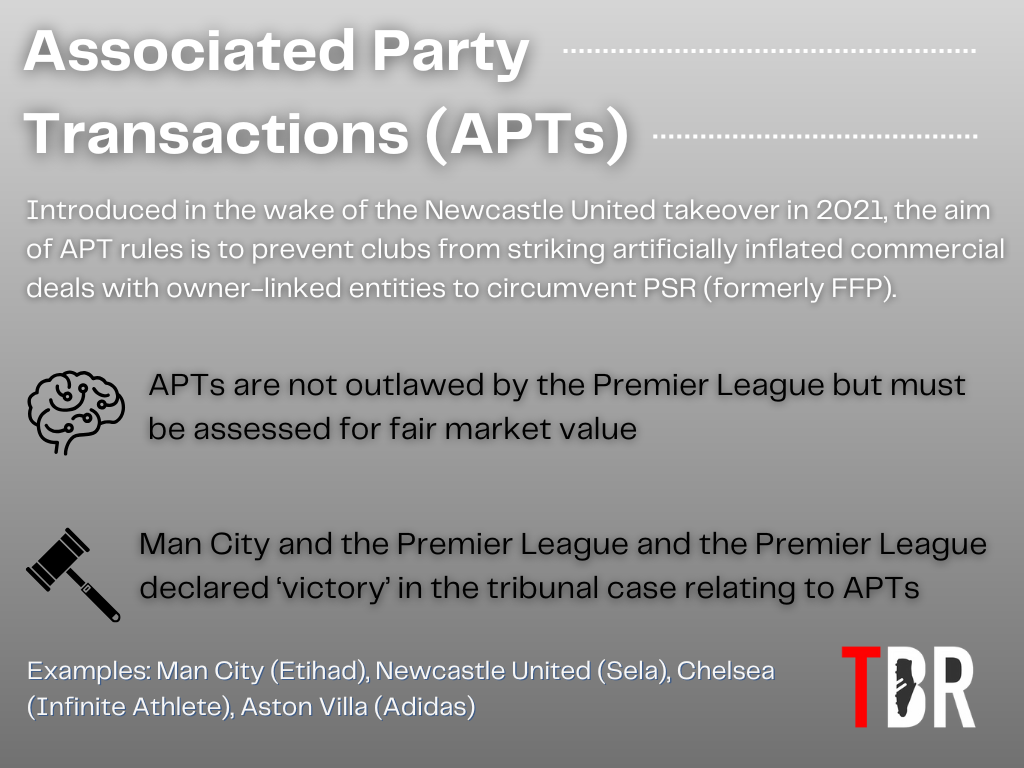
After City scored a number of victories in their challenge to the APT rules earlier this year, the Premier League was forced to rewrite the regulations.
Now, the Premier League has published the new rules in an updated version of its handbook.
As explained by legal expert and former Man City adviser Stefan Borson via X, the new rules stipulate: ‘Clubs no longer need to detail their sales process or the details of the underbidders.’
This is part of shifting the burden back to the Premier League to prove that any APT deal – Newcastle’s with Noon or Sela, for example – are evidently not fair market value in order to block it.
In theory, although it does not mean Newcastle have free reign by any means, this development should give the club more leeway in striking deals with PIF-owned or linked companies.
Commercial income is central to PIF’s plan to engorge Newcastle’s revenue and carve out more room for manoeuvre in recruitment and retention.
They earned £47m from commercial sources in 2022-23, the last financial year on record. That is almost double their income in the same category in the last season under Mike Ashley.
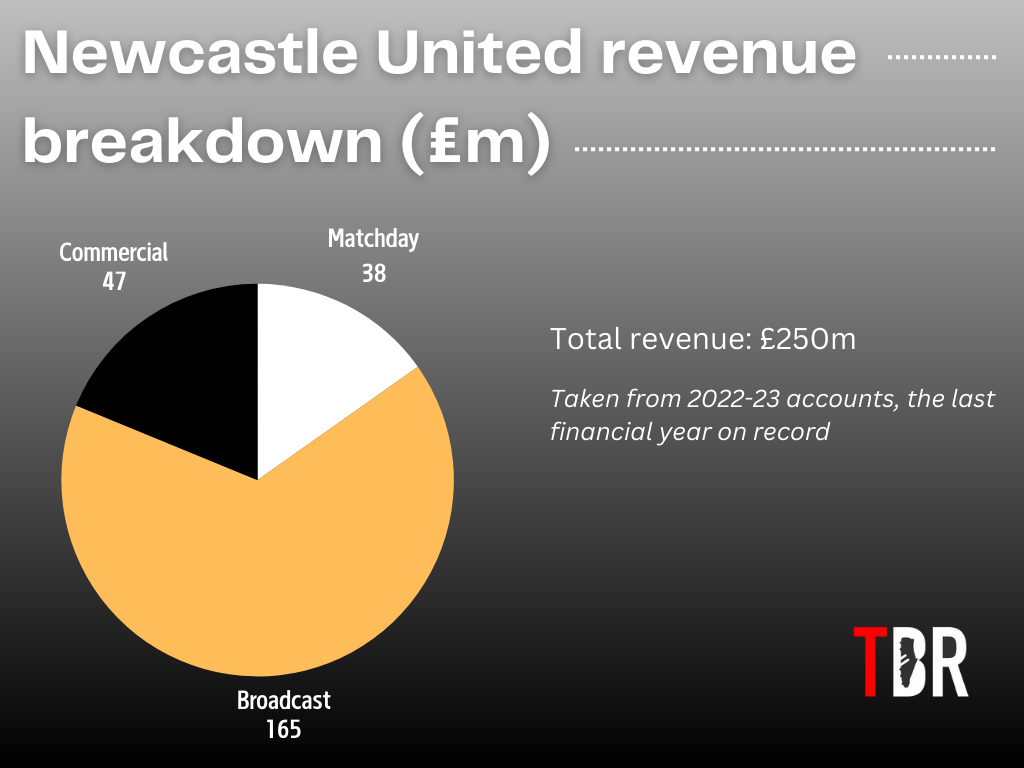
Analysis from leading football finance expert Swiss Ramble meanwhile forecasts that their accounts for 2023-24 will show commercial income of around £74m.
With slightly more flexibility in the APT rules and provisions around fair market value in the Premier League, they will be confident of increasing that total year-on-year going forward.
- READ MORE: Newcastle United owners PIF expanding football empire as six deals struck and one more imminent
Newcastle’s transfer budget: Does Eddie Howe have money to spend in January?
Without access to Newcastle’s accounts for 2023-24, it is difficult to say exactly what position they are with regards to PSR.
Champions League income last term was a major boon, but step-ups in wages and another season with an approximate net transfer outlay of negative £100m will have taken its toll too.
They only dodged a PSR breach for the three-year period up to 30th June thanks to the quasi-swap deal involving Elliott Anderson and Odysseas Vlachodimos, as well as the sale of Yankubah Minteh.
It seems likely that any new additions in January will need to be offset by sales. The question is how significant those sales will need to be.

However, the owners have committed to spending the absolute maximum allowed under PSR every season. And new signings’ fees are amortised over five years as opposed to hitting the books in one go.
They could always force through more quick-fire sales before the 30th June cut-off next year, when the PSR assessment window rolls over, although that is a high-tariff strategy.
Receive weekly football news and updates to your mailbox