
 Arsenal
 Aston Villa
 Chelsea
 Crystal Palace
 Everton
 Fulham
 Leeds United
 Liverpool
 Manchester City
 Manchester United
 Newcastle United
 Nottingham Forest
 Sunderland
 Tottenham Hotspur
 West Ham United
 Wolverhampton Wanderers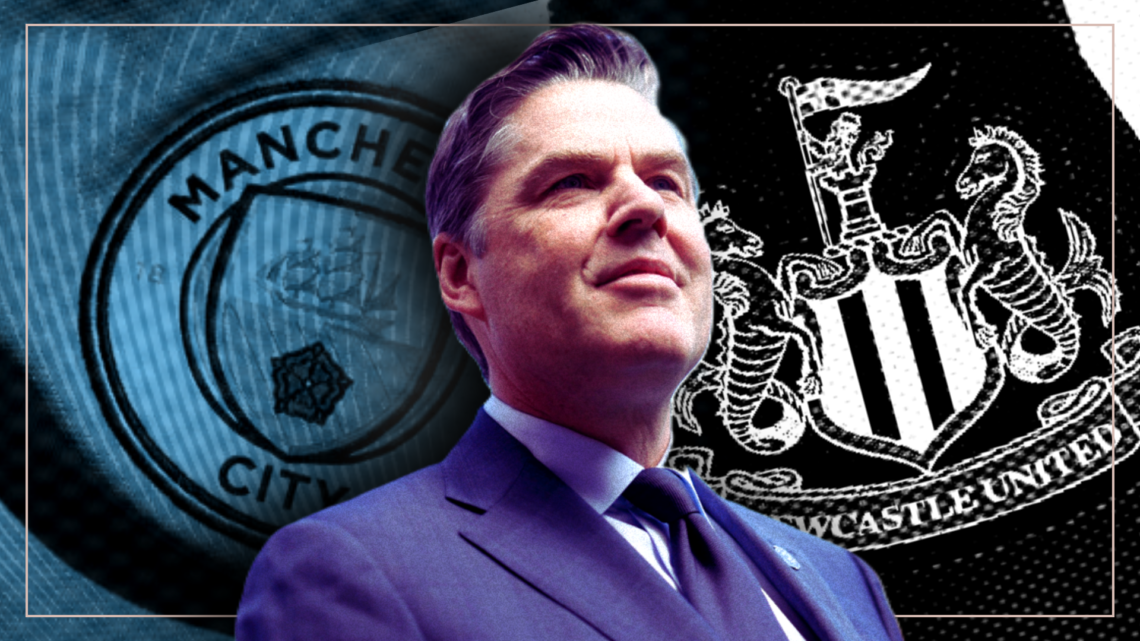


Newcastle United owners the Saudi Public Investment and Manchester City investors Silver Lake have just completed one of the most valuable takeovers in the history of business.
PIF surpassed $1trn of assets under management this year, while Silver Lake – the American firm that bought into Man City’s City Football Group in 2019 – are one of the world’s biggest private equity houses.
Newcastle United have attempted to defy the gravity of the Profit and Sustainability Rules (PSR) since the takeover in 2021, but they have made use of PIF’s business portfolio to max out their spending power.
Unlike City, who weren’t subject to PSR of FFP in the nascent stages of the Sheikh Mansour era, Newcastle’s ability to compete in the transfer market is affixed to their revenue.

But matchday and commercial income are booming, and Eddie Howe was far less constrained by Premier League spending rules in the summer window than he has been in recent seasons.
Qualification for the lucrative Champions League has helped, of course. The Magpies continue their European campaign on Wednesday evening against Union Saint-Gilloise, the Belgian champions.
The commercial partnerships they have with PIF-owned or associated companies have been useful too.
Currently, Newcastle’s front-of-shirt and sleeve sponsorships with Sela and Noon are classified by the Premier League as Associated Party Transactions (APTs), as is their deal with the airline Saudia.
Man City have their own patchwork of owner-linked commercial partners too, most notably Etihad.
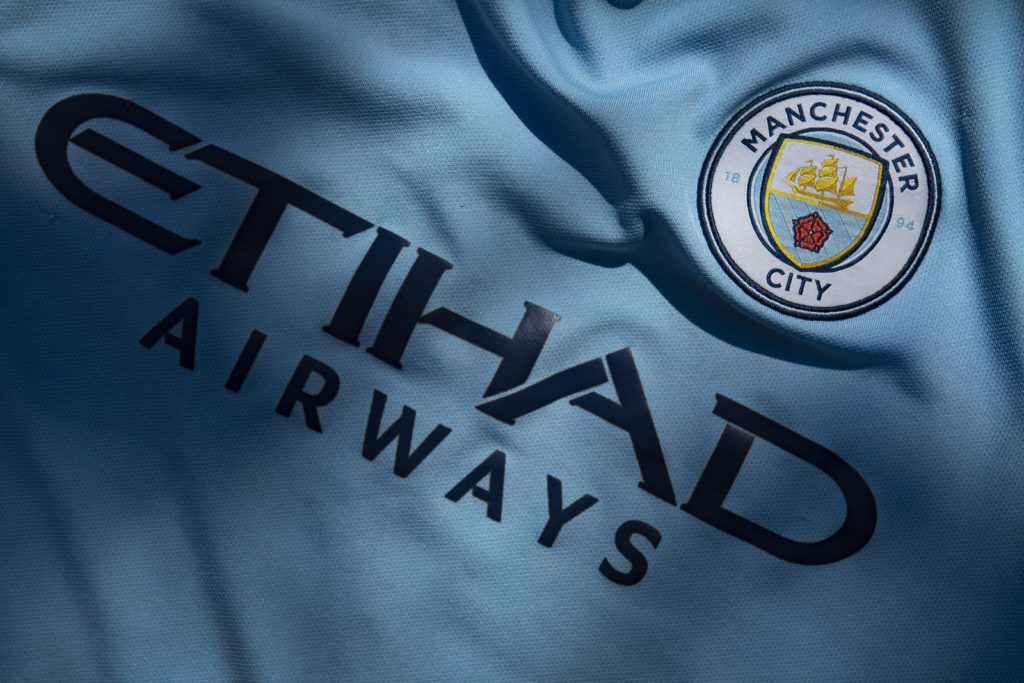
The UAE flag carrier is believed to have recently renewed its deal with City after the club settled a legal challenge to the Premier League’s APT Rules. The new agreement could be worth up to £2bn.
And now, Newcastle and City are causing a stir with the latest commercial deal struck by their owners.
PIF and Silver Lake agree historic deal with Premier League sponsor EA
In the Premier League, clubs benefit from their own sponsorship deals but also those negotiated centrally by the league itself, with the proceeds split evenly between all 20 clubs.
This season, the Premier League is expected to receive £200m-plus in central commercial revenue after signing new deals with Puma, Guinness, Coca-Cola and – most significantly – EA Sports.
Over its six-year lifespan, the partnership with the publisher of the EA FC video game series is worth almost £500m. Within the industry it is seen as one of the best deals of the Richard Masters era.
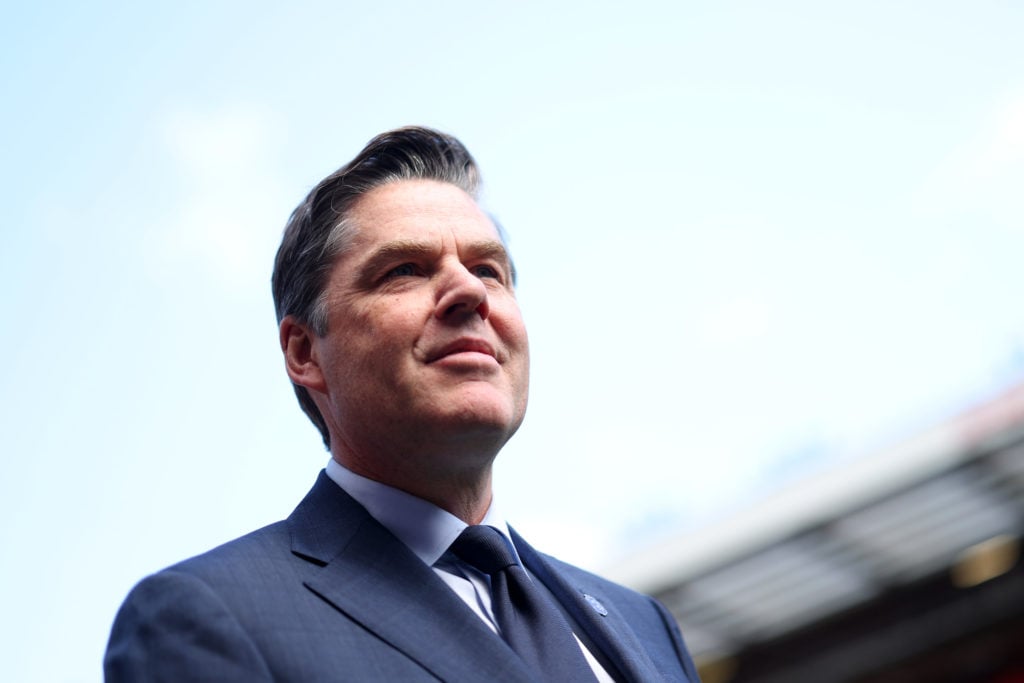
And now, it has been widely reported that EA are being taken over by Silver Lake and PIF in a £41bn leveraged buyout, the biggest of its kind in history.
As a result, both Man City and Newcastle now have a direct link with one of the Premier League’s single biggest financial backers, bested only by its domestic and US TV rightsholders.
Affinity Partners, the investment management company founded by Donald Trump’s son-in-law Jared Kushner, will also take a stake in EA. Affinity Partners has received billions in Saudi capital.
The deal is emblematic of the tightening Venn diagram between club owners and the wider Premier League financial ecosystem, especially in the era of sovereign wealth and private equity.
Aston Villa, for example, are co-owned by Atairos, whose financial backers Comcast own Sky Sports.
And between Premier League club owners, there are countless business links.
Exclusive: Kieran Maguire on benefits of EA deal for Newcastle and Man City
Speaking exclusively to TBR Football, Liverpool University football finance lecturer and Price of Football podcast host has given his thoughts on the EA deal and its significance for the Premier League.
“I find this very, very intriguing. The Premier League will negotiate its rights on a league-wide basis, which protects individual clubs. On a broader scale, looking at geopolitics, FIFA and Saudi Arabia are fairly tight.
“FIFA have taken a huge financial hit themselves through the decoupling with EA. In due course, we could see that relationship resurrected.
“The Premier League deserves a lot of credit for its negotiation with commercial partners. The central commercial payment per club was £8.2m. That’s £164m from central deals, which is the revenue of a Premier League club by itself.
“It makes sense to have flotilla of smaller sponsors compared to, say, a naming rights partner for the league itself.”
Receive weekly football news and updates to your mailbox