
 Arsenal
 Aston Villa
 Chelsea
 Crystal Palace
 Everton
 Fulham
 Leeds United
 Liverpool
 Manchester City
 Manchester United
 Newcastle United
 Nottingham Forest
 Sunderland
 Tottenham Hotspur
 West Ham United
 Wolverhampton Wanderers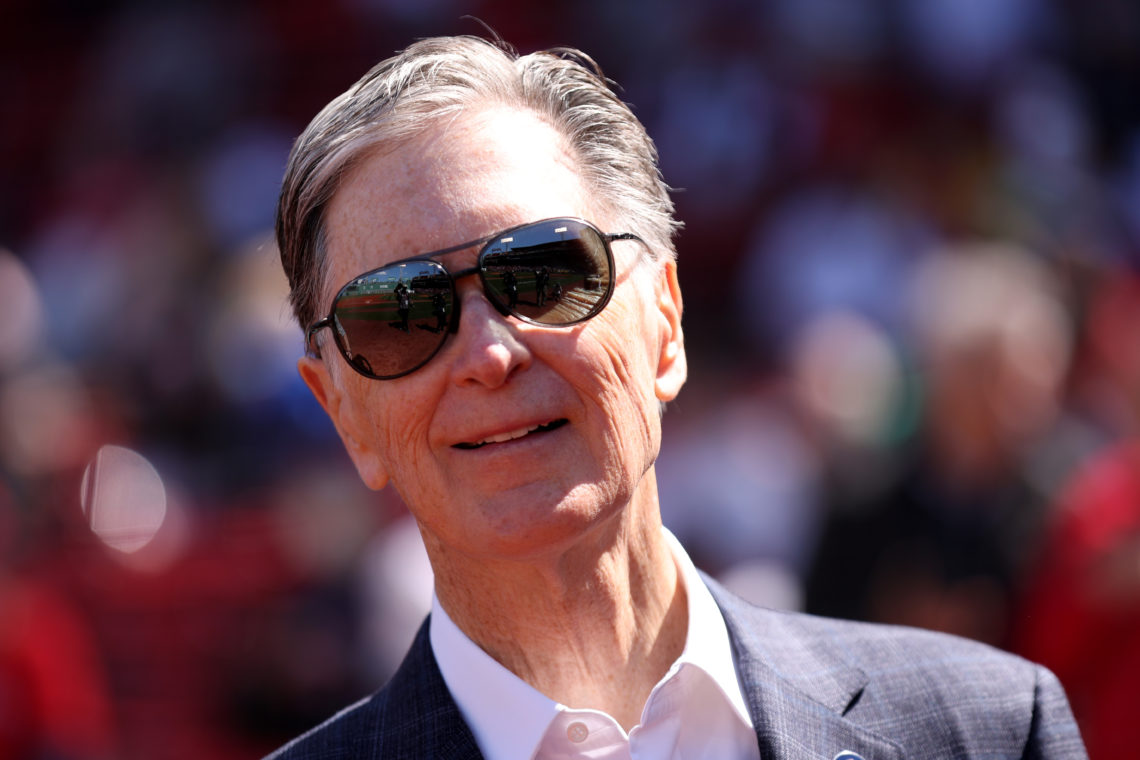


In sports investment circles, Liverpool owners Fenway Sports Group are often considered among the very best.
Liverpool supporters may be growing frustrated with their enduring lack of transfer activity this summer, but it is emblematic of the qualities that make them strong.
Speaking to TBR Football recently, Liverpool University football finance lecturer Kieran Maguire explained that FSG want to strike the right deals for Liverpool, not the easiest or quickest.
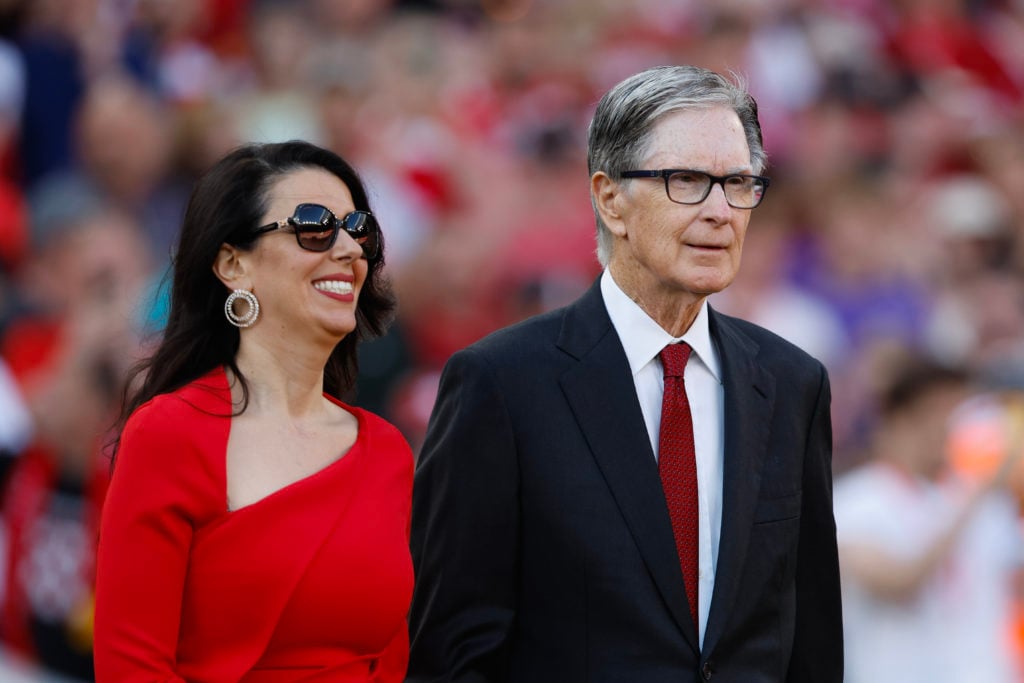
Granted, there is a fine line between patience and hesitance, but the Boston-based investment group have enough credit in the bank to be given the benefit of the doubt.
FSG’s sports empire is one of the most valuable in the world and encompasses six sports teams including Liverpool, as well as a stake in the PGA Tour and a multi-billion-dollar property portfolio.
John Henry‘s ultimate aim is for these assets will appreciate over time and allow him and his peers in the FSG throne room to flip them for a huge profit.
When FSG sold a minority stake in the club to Dynasty Equity for between £82m and £164m in September last year (the exact figure was not disclosed), it illustrated how astute their initial investment was.
They spent £300m to acquire the club in 2010. It would be worth at least 10 times that if sold tomorrow – and likely quite a bit more.
And Dynasty Equity are now in talks about potentially acquiring another minority stake elsewhere in the world of sport that Liverpool could benefit from indirectly.
- READ MORE LIVERPOOL NEWS: There is now a growing belief £34m player will join Liverpool despite Manchester United interest
Liverpool will be watching NFL talks closely
So far, FSG have invested in football, golf, baseball, motorsport and ice hockey, while they have also been linked with the acquisition of an NBA franchise.
However, they have no formal links to the world’s most valuable sport league: the National Football League, or NFL.
But that could soon change after Sportico reported that Dynasty Equity have been in discussions with the NFL about the potential of investing in an American football franchise.
They are one of seven private equity firms to have met with NFL representatives in an effort to persuade them to relax their rules on institutional investment in the league, which is currently not permitted.
Interestingly, another one of the seven private equity groups was Arctos, a Texas-headquartered company who hold a significant minority stake in FSG.
Arctos also own a 12.5 per cent in French giants Paris Saint Germain and recently enlisted basketball legend Kevin Durant as an investor in their firm.
This in and of itself is emblematic of the strengthening ties between football and other sports.
RedBird Capital meanwhile, who also own a significant minority stake in FSG, also held discussions with the NFL, but those are not believed to have yielded positive results.
The NFL is reportedly considering allowing private equity firms to purchase five to 10 per cent of clubs.
Based on Sportico’s average valuation of an NFL franchise, that means we could seen investments of between £297m to £594m.
The groups are expected to reconvene on 27th August for another round of talks.
Compared to an NFL franchise, how much are Liverpool worth?
The franchise, closed-shop nature of the NFL means that it is a more reliable investment than a Premier League club.
Looking at revenue compared to enterprise value shows that a club in the bottom half of the Premier League might only have a value of two or three times revenue because of the risk of relegation.
Liverpool’s financial muscles insulates that from that fate, but their revenue multiplier is still lower than those of NFL, NBA or MLB outfits.
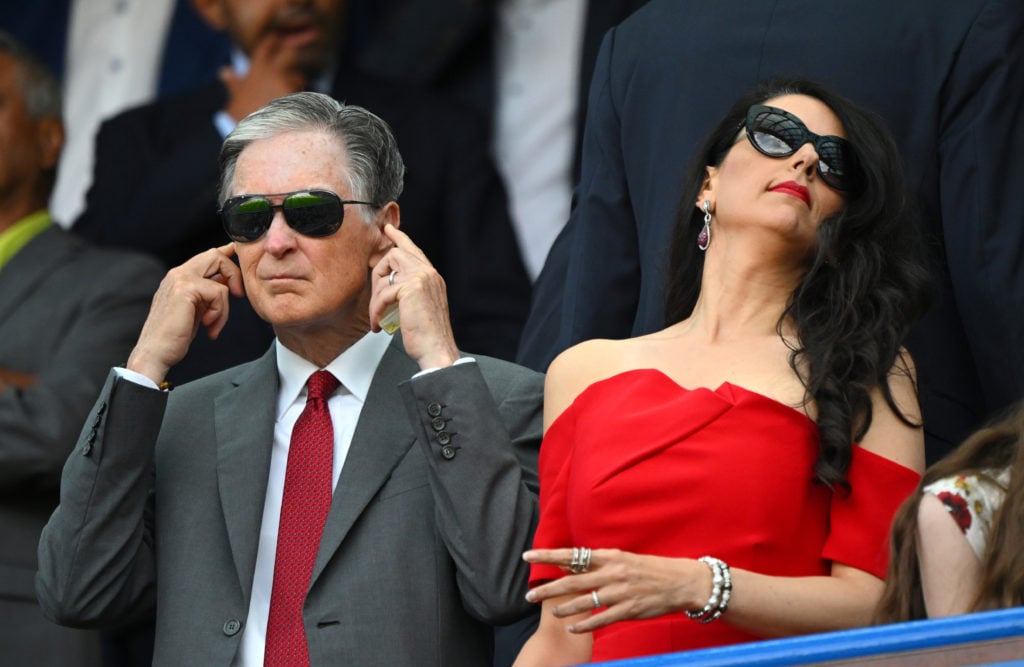
A full takeover would likely be worth around £3.5bn or £4bn – roughly equivalent to the least valuable NFL franchise, or half the value of the most valuable.
While commercial revenue is climbing and media income is huge, European football (or the absence of it) has a major material impact on clubs and the price an investor would pay.
Receive weekly football news and updates to your mailbox