
 Arsenal
 Aston Villa
 Chelsea
 Crystal Palace
 Everton
 Fulham
 Leeds United
 Liverpool
 Manchester City
 Manchester United
 Newcastle United
 Nottingham Forest
 Sunderland
 Tottenham Hotspur
 West Ham United
 Wolverhampton Wanderers


Unusually for a club who are on top of both the Premier League and revamped Champions League table, Fenway Sports Group’s ownership style at Liverpool is being heavily scrutinised at present.
No one can deny the Boston-based investment group’s business smarts, but their handling of Trent Alexander-Arnold, Virgial van Dijk and Mohamed Salah’s contract situations has polarised fans.
Alexander-Arnold holds the high card in his talks with the club, with age and the fact that he is being courted by Europe’s top clubs on his side. If they lose the right-back, it won’t be for lack of trying.
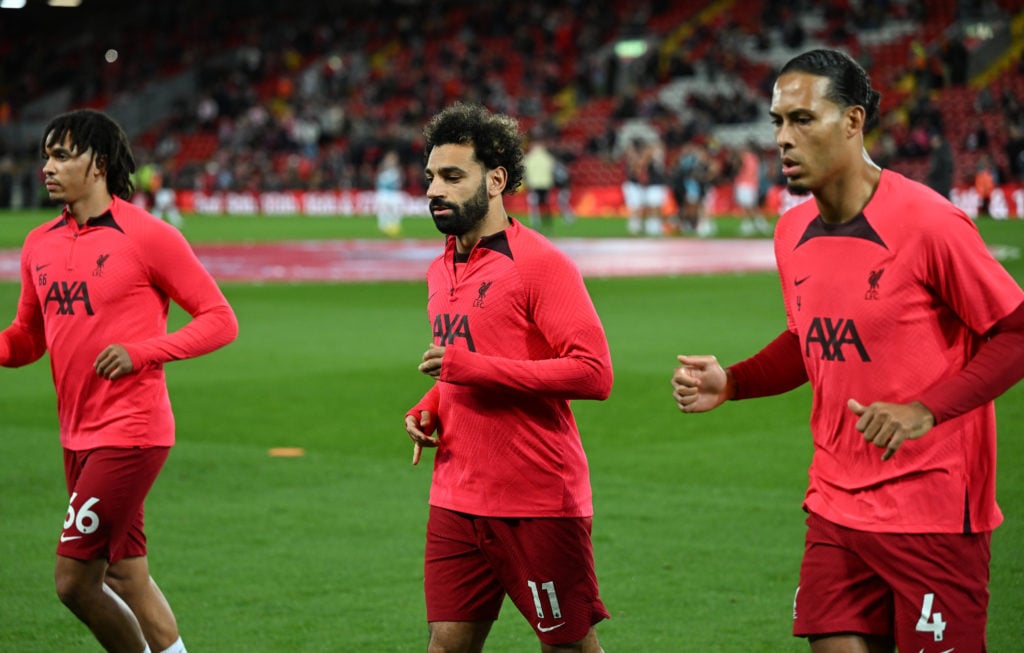
But the stalemate that has dragged on between Liverpool and two players who have won eight senior trophies in red, Van Dijk and Salah, is a more nuanced.
Despite being in the form of their lives, especially on Salah’s part, FSG have been reluctant to hand them blank cheques because they are 33 and 32 years old respectively.
What we might call FSGism – the unifying principles under which every sports team in their £10bn empire – is built on retaining value, sustainability and data.
| Company or team | Industry/league |
| Liverpool F.C | Premier League |
| Boston Red Sox | Major League Baseball |
| Pittsburgh Penguins | National Hocket League |
| RFK Racing | NASCAR Cup Series |
| PGA Tour | US professional golf |
| GOAL | Fitness and training app |
| Hana Kuma | Naomi Osaka’s Media company |
| SpringHill | LeBron James’ entertainment firm |
| Boston Common Golf | TGL Golf League |
| Fenway Sports Management | Sports marketing and consulting |
| Fenway Music Company | Music and live events |
As difficult as it might be for most bedrock supporters to compute, FSG won’t break the bank to retain even the best players in the world if they think the stars, as assets, will depreciate in value.
As it happens, Liverpool are said to have made opening contract offers to Salah and Van Dijk, but their renewed deals – if indeed they come to fruition – will be highly calculated.
Elsewhere in their empire, FSG are more willing to put their hand in their pocket.
With the Boston Red Sox, the owners recently offered Dominican left pitcher Juan Soto what would have been the most expensive contract in the history of sport.
Ultimately, Soto joined the New York Mets, who exceeded FSG’s offer.
But the 2001-founded company were willing to sanction that level of investment because of the nature of US franchise sport, which is a closed-shop and where profits are guaranteed.
In football, they don’t have that luxury. Liverpool are more profitable than most Premier League clubs, but even they have lost £64m in the last four financial years.
However, there are signs that football’s financial ecosystem could be changing. Why? Because private equity, strategic investors who want a return in the medium term, are getting involved en masse.
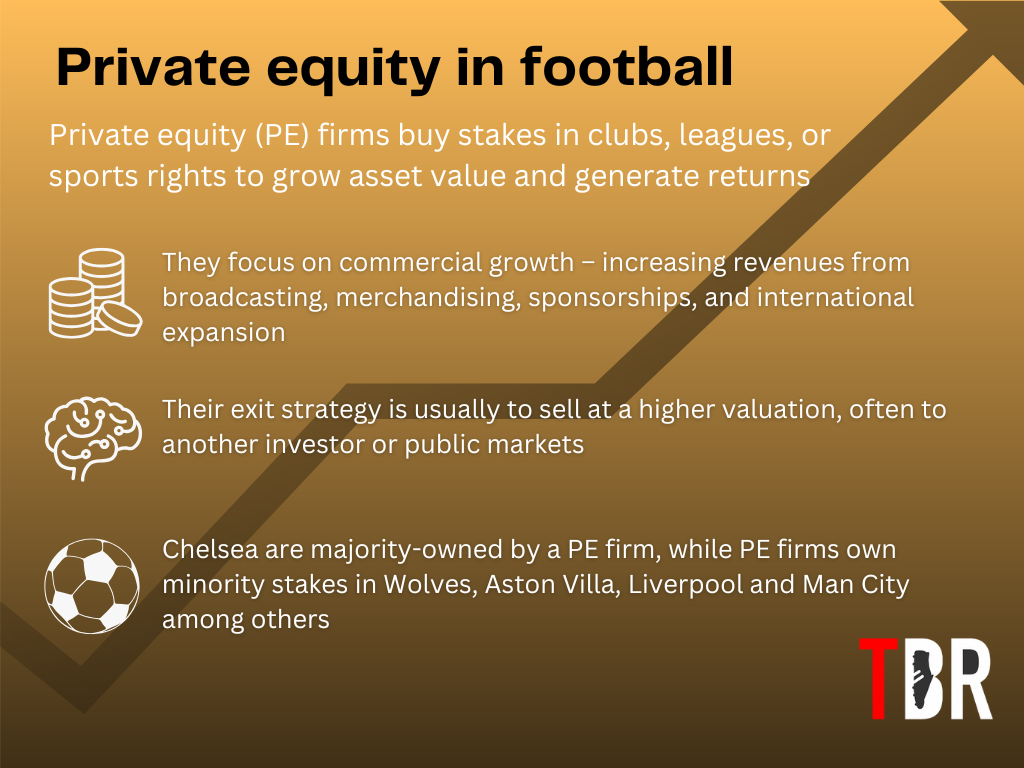
FSG and Liverpool are keenly aware of this.
Just last year, the owners ended speculation that they were considering selling Liverpool outright by instead accepting minority investment from Dynasty Equity, a sports-specific private equity firm.
And now, another huge PE company with links to Liverpool and FSG are making another historic investment move.
- READ MORE: Liverpool owners FSG make £550m move that blows Mohamed Salah’s contract demands out of the water
FSG partners Arctos in huge NFL investment deal
One US sports system that FSG have not yet got a foothold in is the National Football League, the most lucrative league in the world where revenues are almost three times higher than the Premier League.
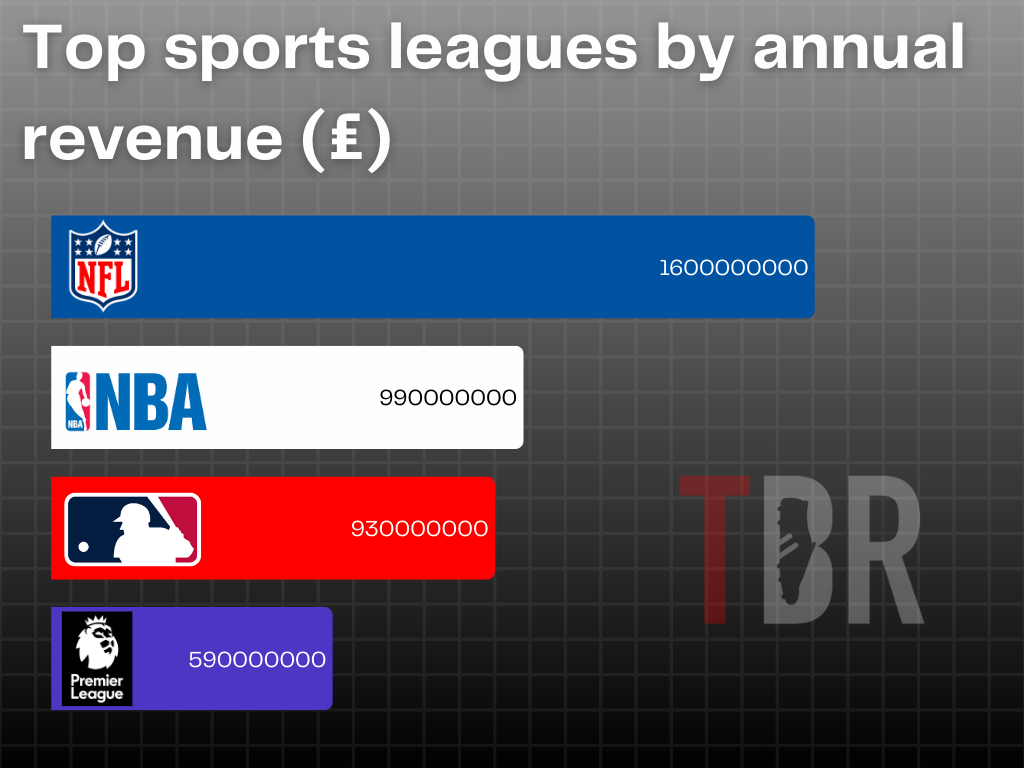
Unusually for a US franchise sport, the NFL has only recently agreed to allow private equity investment.
Now, the first raft of deals are being completed and Liverpool will have an indirect link with a four-time Super Bowl participant.
As relayed by the Financial Times, Arctos – who acquired a portion of FSG last year – are buying a 10 per cent equity stake in the Buffalo Bills in a deal that values then at £4.2bn.
As part of the deal, Arctos will team up with Terry Pegula, the 73-year-old billionaire who earned his wealth in the petroleum industry.
Like in the NFL, minority investment is becoming increasingly popular in Premier League football, and with Liverpool specifically.
- READ MORE: FSG have already signed one key deal as talks in Japan could see Liverpool smash £300m barrier
Minority investment: What do private equity firms want with FSG and Liverpool?
To make money from a football club, you either need to pay yourself a dividend or adopt a capital appreciation strategy whereby you flip the club for a profit further down the line.
Very few clubs pay a dividend. Liverpool are not one of them.
So FSG do not take any money out of the club and, besides around £150m of soft loans to the club to fund the redevelopment of Anfield, have not paid any money in either.
Instead, they will one day sell to another investor who will give them a huge return on the £300m they paid for the club back in 2010.
That is where private equity firms like Arctos and Dynasty Equity come in.
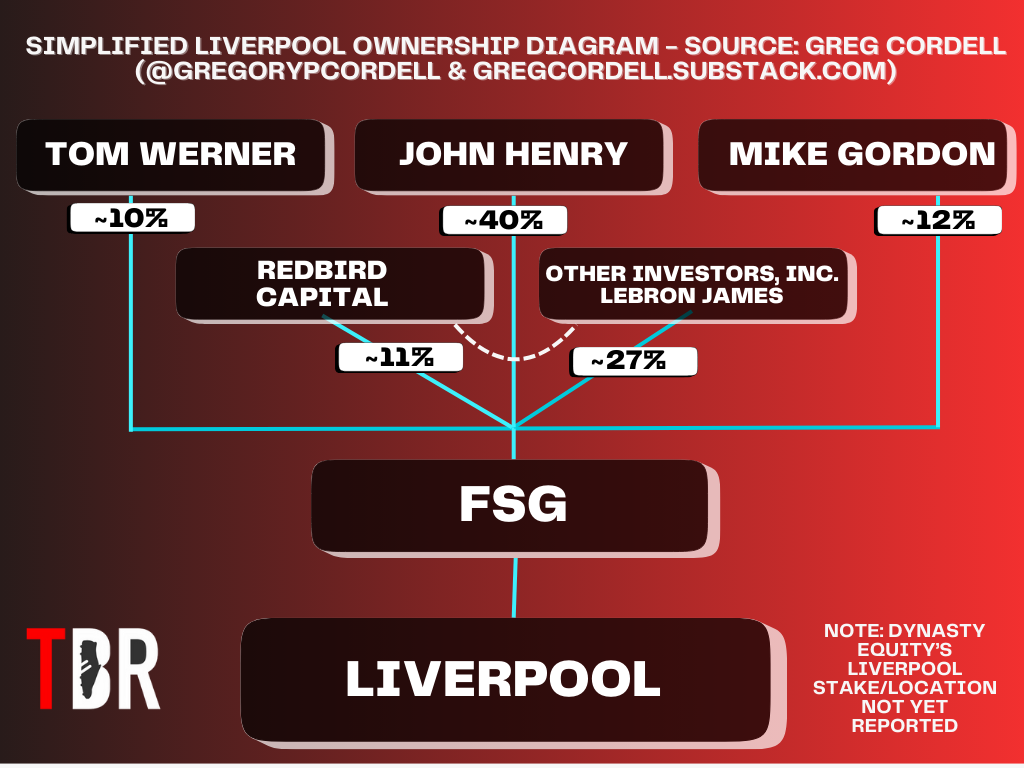
With a foothold in a club like Liverpool, they can either move towards a full takeover one day, or aspire to make the club profitable long term and receive dividends.
It is a complex dynamic and one that is emblematic of the changing face of football.
Receive weekly football news and updates to your mailbox