
 Arsenal
 Aston Villa
 Chelsea
 Crystal Palace
 Everton
 Fulham
 Leeds United
 Liverpool
 Manchester City
 Manchester United
 Newcastle United
 Nottingham Forest
 Sunderland
 Tottenham Hotspur
 West Ham United
 Wolverhampton Wanderers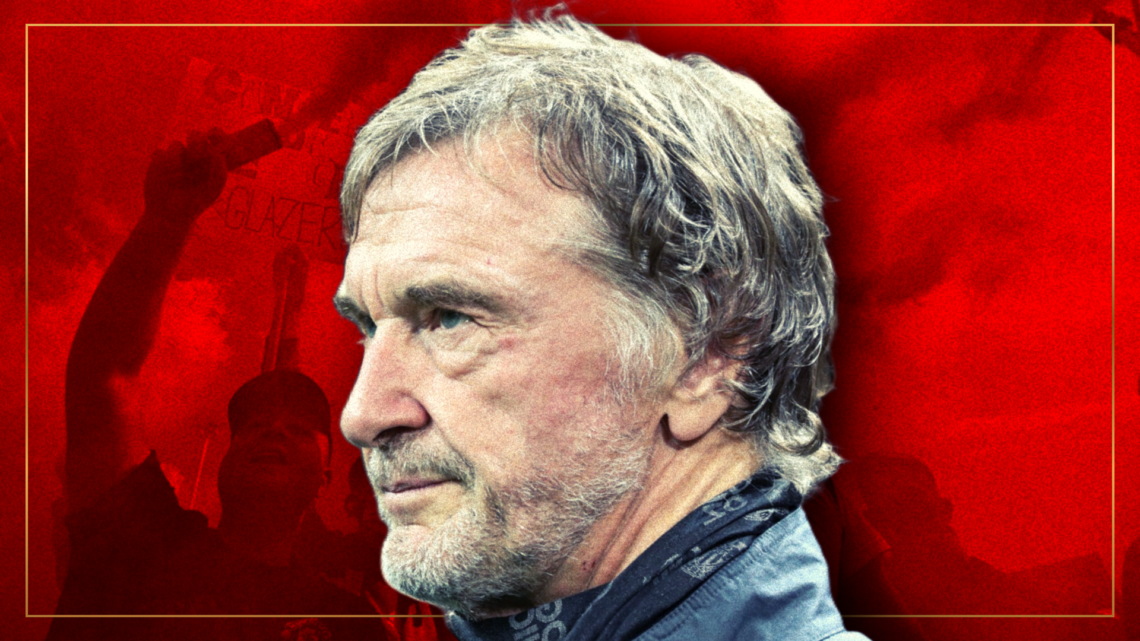


As a self-confessed free-marketeer, Manchester United co-owner Sir Jim Ratcliffe’s opposition to the Independent Football Regulator is hardly a surprise.
In fact, there are only a handful of Premier League club owners who support the regulator, which officially passed into law today after a four-and-a-half-year legislative process.
The concept of an institution which could oversee football finance and governance in the English game was first proposed in a review that followed the botched launch of the European Super League in April 2021, which changed the course of Manchester United history.
The Glazer family and their chief consigliere on Sir Matt Busby Way, former vice-chair Edward Woodward, were the key players in that star-crossed coup. They had been planning the Super League as far back as 2017, and perhaps much longer. Its collapse meant they had to rewrite their grand long-term business plan for the club overnight.
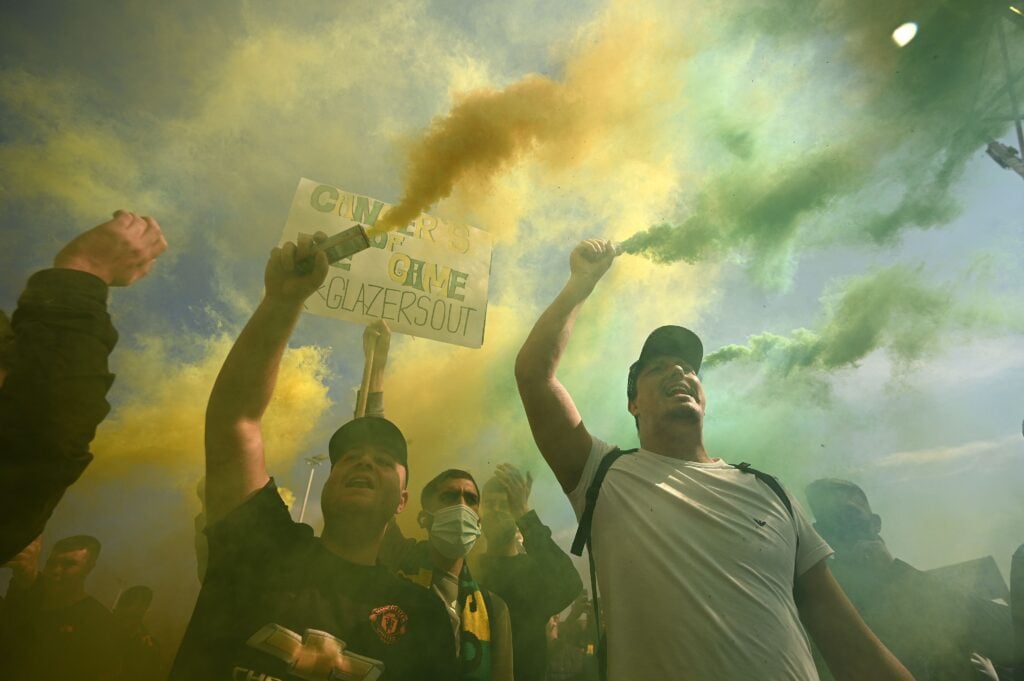
In a detail that illustrates how football’s rivalries only matter to some owners in so far as they are useful marketing tools, it was Liverpool ownership group Fenway Sports Group who were United’s key co-conspirators.
And the Super League’s launch came less than a year on from Project Big Picture – another Glazer and FSG-authored plan to rewire the economics of English football – was rejected by clubs.
- READ MORE: Glazers wanted rival clubs to foot the bill for Old Trafford rebuild in Project Big Picture
So, the regulator was self-inflicted by United and their peers in the so-called ‘Big Six’, but that hasn’t stopped them lobbying aggressively to have its powers pared back in recent years.
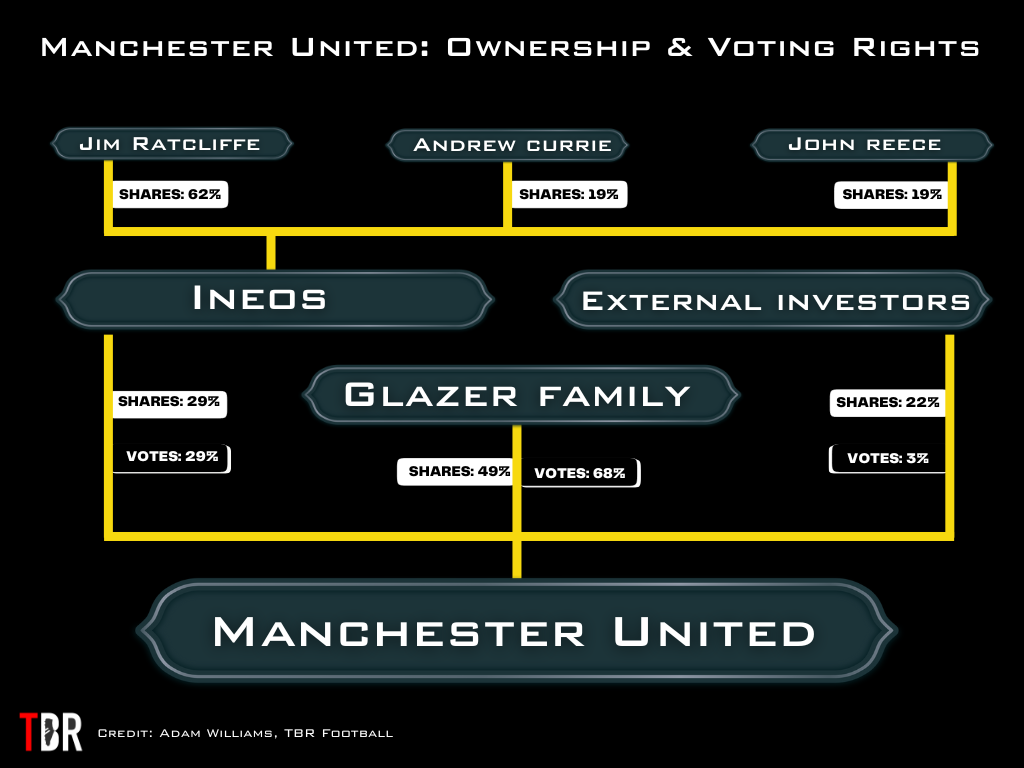
Indeed, Sir Jim Ratcliffe himself has mounted several attacks on the regulator since his £1.25bn part-takeover of the Red Devils in February last year, which saw Ineos become the club’s single largest shareholder.
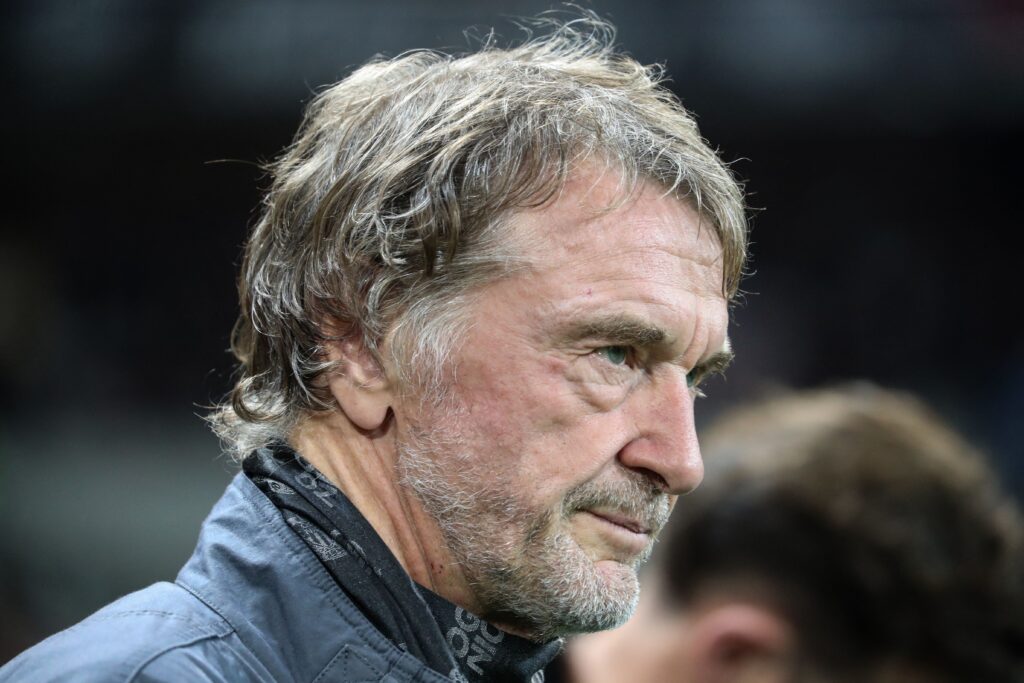
Last summer, the billionaire said: “The Premier League is probably the most successful sporting league in the world, certainly the most successful football league in the world. And we have this expression in northern England: ‘If it ain’t broke, don’t fix it.’
“If you start interfering too much, bringing too much regulation in, then you finish up with the Manchester City issue, you finish up with the Everton issue, you finish up with the Nottingham Forest issue – on and on and on.
“If you’re not careful the Premier League is going to finish up spending more time in court than it is thinking about what’s good for the league. We have got the best league in the world, don’t ruin that league for heaven’s sake.”
But what will the regulator – which is headquartered on United’s doorstep in Manchester – actually do? And why are club owners like Ratcliffe opposed to it?
“The independent Football Regulator (IFR),” in its own words, “has been established to protect and promote the sustainability of English football, for the benefit of fans and the local communities that football clubs serve.“
Under the auspices of the regulator, United and fellow clubs in the top five leagues of the English football pyramid will be required to obtain an operating licence from the regulator.
The provisions for being granted a licence – which will be a formality for United – centre around sound financial and corporate governance, as well as fan consultation. In effect, this will act as a new Owners’ and Directors’ Test.
The EFL plan to scrap their own Owners’ and Directors’ Test, but the Premier League will retain theirs in tandem with the Independent Regulator’s version. That means that, if the Glazers or Ratcliffe ever sells their shares in the club, any buyer would need the green light from the regulator and the Premier League.
The regulator also has the power to block attempts to join breakaway competitions, sell or relocate a club’s stadium and change colours or crest. So United’s proposed move to a new stadium next door to Old Trafford will also need the regulator’s blessing. Again, that will be a formality.
Where most clubs’ objections to the regulator stem from is its powers to act as an arbitrator in deadlocks between leagues over financial distribution too, which is expected to lead to a so-called ‘New Deal’ for English football.
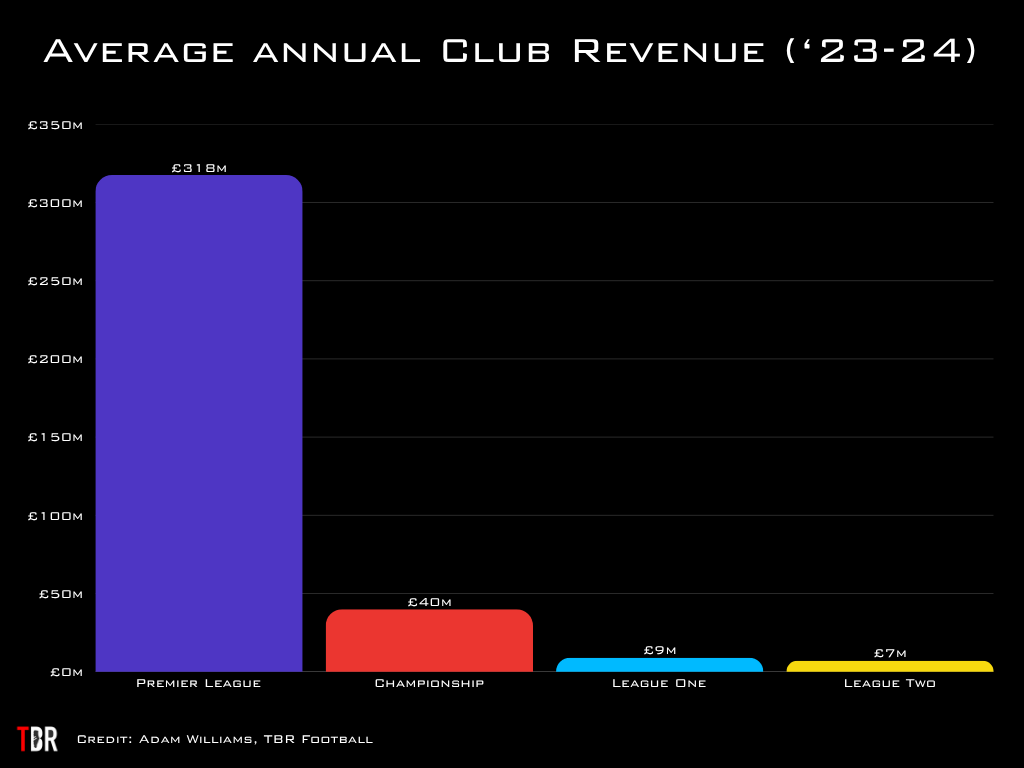
The EFL are haggling for around 25 per cent of Premier League TV money to be filtered down to the Championship, as well as the scaling back of parachute payments, which EFL chairman Rick Parry argues distort competition in the second tier. Currently, the figure is around 15 per cent.
The costs of compliance are also a sticking point for clubs like United. As TBR Football exclusively reported earlier this year, the regulator is expected to cost between £103m and £149m over the first 10 years, with those costs initially shouldered by the taxpayer before later being passed onto clubs.
The riposte from commentators like United legend Gary Neville has been that, while there will be a short-term costs, the regulator could ultimately save Premier League clubs money by stopping legal issues at source. TBR Football understands that the top flight’s legal costs totalled £46m last year, while policy expenses were £6.6m.
Failure to comply with the regulator’s rules can carry a fine of up to 10 per cent of a club’s annual revenue. In the unlikely event that United are found to have contravened the rules, a 10 per cent fine would be worth in the region of £65m.
The provisional licence pilot scheme will launch in the autumn next year, with all clubs expected to be licensed in time for the 2027-28 campaign.
The regulator is chaired by vastly-experienced media executive David Kogan and its CEO is Richard Monks, a former partner at EY’s financial risk and regulation practice and an executive for the Financial Conduct Authority.
Speaking exclusively to TBR Football, Liverpool University football finance lecturer Kieran Maguire, who was consulted in the drafting process of the regulator, said: “The Galactico clubs such as United, Liverpool and Arsenal were at the forefront of the Super League and Project Big Picture, which would have concentrated power and money in the hands of a select few clubs.
“They are not convinced about the regulator because they believe the Premier League is perfectly capable of keeping its own house in order.
“The bigger clubs have the most to lose from a regulator because it will potentially prevent clubs from having domestic matches overseas. The big clubs like Man United are in favour of this. The bigger clubs also want a bigger slice of the financial pie. Rich people want to get richer, and these clubs feel entitled to a greater proportion of the money.
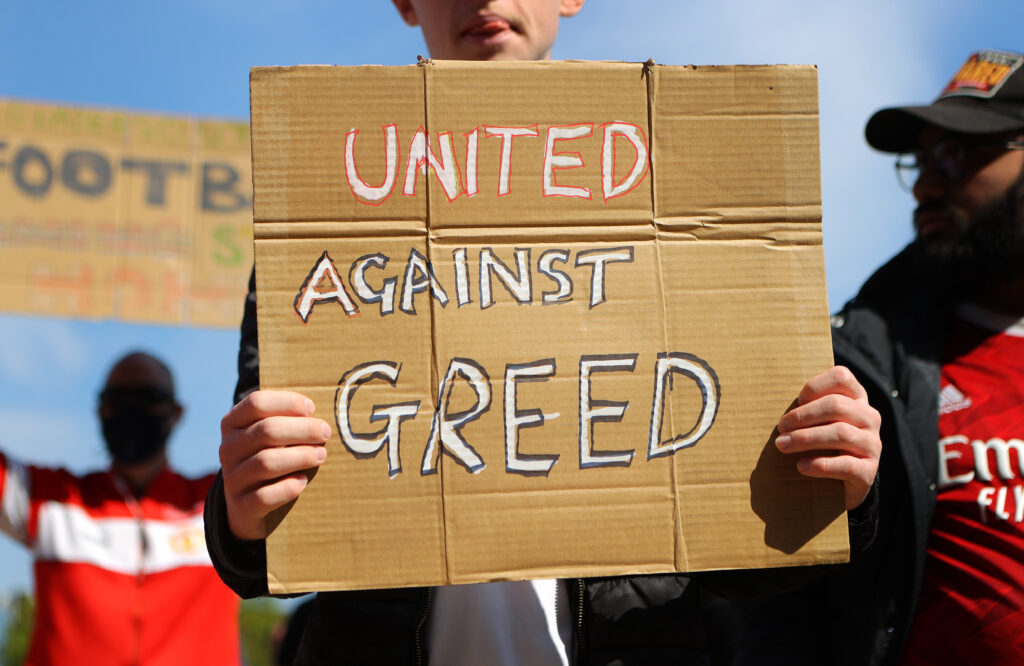
“The fear is the regulator is the will impose a redistribution of money between the Premier League and the EFL if they can’t reach an agreement independently. The Premier League has all the aces here. The only card the EFL has to play is the two-legged semi-final for the League Cup, but some clubs would be happy to see that competition scaled back anyway. Fans are a secondary consideration for these clubs.
“No-one wants to be scrutinised and regulated, especially if you’re a billionaire who’s used to getting their own way. The final way a regulator can get involved is determining who is fit and proper to own a football club. Rich owners fear that greater scrutiny on prospective owners could have a negative impact on sale prices.”
Receive weekly football news and updates to your mailbox