
 Arsenal
 Aston Villa
 Chelsea
 Crystal Palace
 Everton
 Fulham
 Leeds United
 Liverpool
 Manchester City
 Manchester United
 Newcastle United
 Nottingham Forest
 Sunderland
 Tottenham Hotspur
 West Ham United
 Wolverhampton Wanderers


Crystal Palace ended last season on a high by winning the FA Cup and qualifying for the Europa League.
However, it is uncertain whether the Eagles will be allowed to play in the competition, due to John Textor’s ownership of Lyon.
Textor owns a 43 per cent stake in Crystal Palace, but is also majority owner of Lyon, both of whom have qualified for the Europa League.
UEFA rules prohibit clubs controlled by the same owners or directors from competing in the same European competition.
As a result, Textor is now open to selling his shares in the Premier League side to allow them to play in the Europa League.
And The Athletic has reported that a consortium of sport and entertainment executives is expected to make an offer in excess of $200m (around £147m) for Textor’s stake.
Adam Williams, TBR Football’s Head of Football Finance and Governance Content, has now provided an intriguing update regarding the estimated valuation of the club.
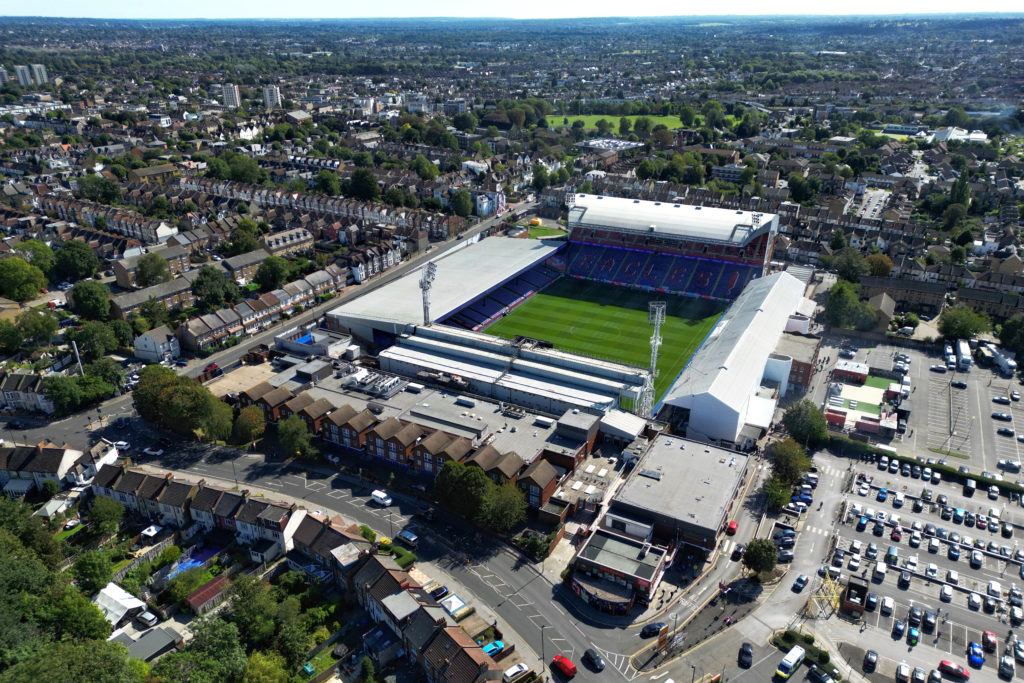
Crystal Palace appraised at about £580m while John Textor valuation suggests £410m valuation
Williams noted how Textor has valued his 43 per cent stake in Palace at £175m, but conversations with investors have suggested that Textor’s stake could actually be worth much more.
The TBR Football finance expert explained how Palace is seen as a hidden gem of sorts, with plenty of things that make it enticing to investors.
“If Textor is valuing his 43 per cent stake in Palace at £175m, it would suggest a total enterprise value of around £410m,” Williams told TBR Football.
“On face value, I think that looks like an absolute bargain. Newcastle went for £305m in 2021 but club valuations have ticked up a lot since then.
“Very little money actually changed hands in the Everton takeover because it was more about Dan Friedkin clearing the debt, but it valued the club at somewhere around £500m. In their most recent analysis, Forbes appraised Palace at about £580m.
“With Palace, I’ve spoken to investors who say they think they are one of the most attractive or perhaps best-value prospects in the Premier League. I hate to talk about football clubs in marketing buzzwords, but they have a lot of brand IP – that’s intangibles that separate one club from the next.”
READ MORE: Every single Premier League team’s multi-club ties revealed amid twist in Crystal Palace’s UEFA row
The ‘most attractive’ thing about Crystal Palace – but there’s a catch
Williams spoke of how Palace’s FA Cup triumph is obviously a big draw, along with their blend of history combined with a modern identity.
However, what really makes Palace stand out is their catchment area, with South London being a hotbed of talent.
“The FA Cup triumph will help them there,” said Williams. “They have got a lot of history but also a very modern identity too in terms of the football they are trying to play and some of the players that have turned out for them in recent years, so you have that yin and yang.
“Probably the most attractive element, however, is the catchment area. South London is one of biggest talent hotbeds in world football on a per-capita basis.
“It’s a very competitive market in London, but if you can tap into that and give players a clear pathway to the first team, then that’s a gold mine.”
At the same time, Williams spoke about a potential catch, namely the “expensive risk” of being a passive investor holding such a big stake in the club.
“However, where Textor’s valuation starts to make more sense is in terms of the actual control that he has,” Williams continued. “He himself has called his stake in the club a ‘very expensive season ticket’, which is a phrase you hear a lot when it comes to minority investment in football.
“You do get more passive investors in football these days who are prepared to sit back and let an able executive, Steve Parish in Palace’s case, take control of things.
“But at 43 per cent, that’s an expensive risk to take. And if you look at the profile of investor who is being linked, are they going to be prepared to be passive? If so, what’s in it for them?
“If you’re buying into a football club, you either want a financial return or an emotional one – or more often a bit of both.
“Any new investor isn’t going to be taking dividends, so your exit is when the next buyer comes along and offers to buy the whole ownership out for a big markup. It’s only a certain type of investor who takes on that capital appreciation model.”
Receive weekly football news and updates to your mailbox