
 Arsenal
 Aston Villa
 Chelsea
 Crystal Palace
 Everton
 Fulham
 Leeds United
 Liverpool
 Manchester City
 Manchester United
 Newcastle United
 Nottingham Forest
 Sunderland
 Tottenham Hotspur
 West Ham United
 Wolverhampton Wanderers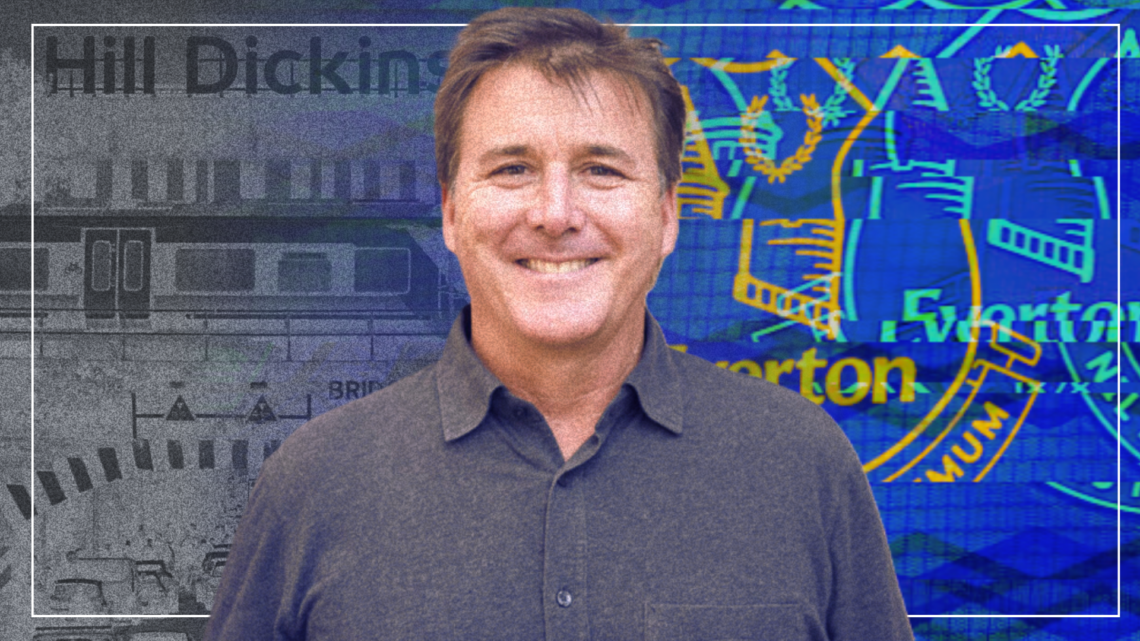


Dan Friedkin has become one of the most powerful men in football almost by brute force following his takeover of Everton in late 2024.
That deal, which valued the club at around £500m, saw Everton become the third club owned by Dan Friedkin after Serie A’s AS Roma and French fourth-tier side AS Cannes.
The bulk of that investment has gone towards paying down debts inherited from Farhad Moshiri, who TBR Football understands ultimately received south of £50m for his shares in the club.
The club’s remaining debt – mostly related to the Hill Dickinson Stadium bill – has since been restructured at more favourable long-term rates, freeing up resources to facilitate a net spend in excess of £100m over the summer and, after several years of PSR-enforced restraint, a modest payroll increase.
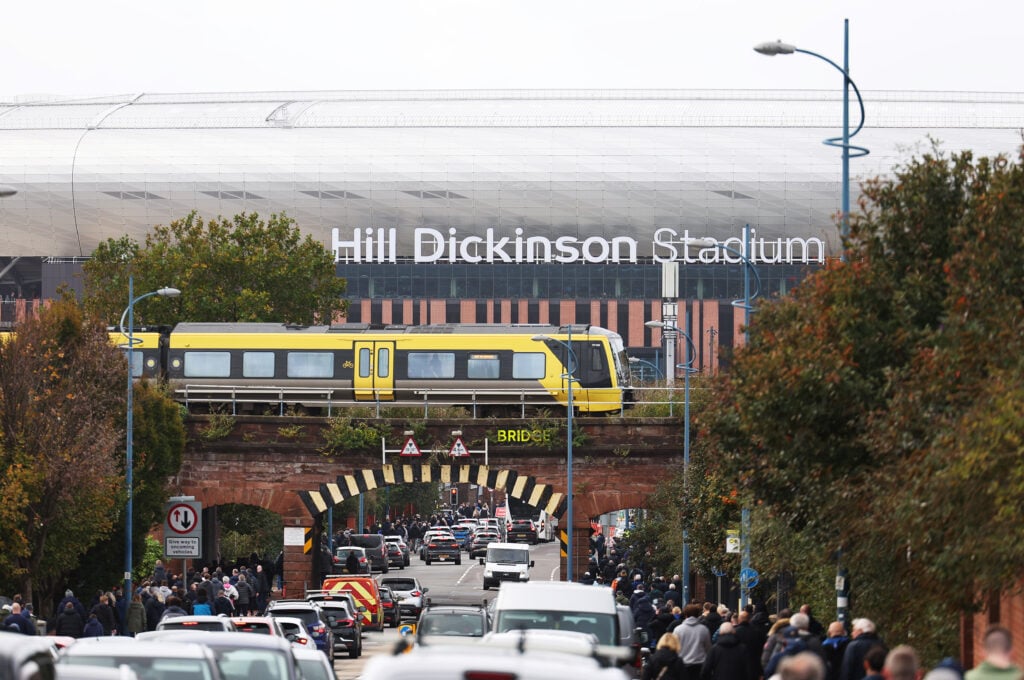
On the pitch meanwhile, David Moyes’ side has had a steady start to Friedkin’s first full season in control. They remain unbeaten at Bramley Moore Dock, where they host Tottenham on Sunday.
At the Friedkin Group’s Italian outpost, Roma too have enjoyed a relatively solid campaign so far after missing out on Champions League qualification on the final day in 2024-25.
More significantly in the grand sweep of the club’s history, there has been tentative progress in Roma’s plans to build a new 60,000-seater stadium after years of back-and-forth with local authorities.
Rome, as it happens, was the venue for the General Assembly of the European Football Clubs (EFC) institution earlier this month, with Friedkin representing both Everton and Roma at the event.
The EFC was, until recently, called the European Club Association and is the representative body for professional teams in Europe. A lobbying group, in effect – one which, incidentally, is now vying for search engine supremacy with Everton thanks to its new initialism.
Friedkin himself is one of 11 members of EFC’s executive committee, sitting under Paris Saint-Germain and Qatar Sports Investment behemoth Nasser Al-Khelaifi. That’s a big deal, according to Kieran Maguire.
“You’ve got to have a seat at the table to influence proceedings,” the Liverpool University football finance lecturer Kieran Maguire says in exclusive conversation with TBR Football.
| Name | EFC role | Position/Club |
| Nasser Al-Khelaïfi | Chairman | President of Paris Saint-Germain FC |
| Jan-Christian Dreesen | Vice-Chair | CEO of FC Bayern München |
| Peter Lawwell | Vice-Chair | Chairman of Celtic FC |
| Dariusz Mioduski | Vice-Chair | Owner and President of Legia Warszawa SA |
| Aki Riihilahti | Vice-Chair | CEO of HJK Helsinki |
| Martina Pavlová | Vice-Chair | International Relations Manager of AC Sparta Praha |
| Miguel Ángel Gil Marín | Board Member | CEO of Atlético de Madrid |
| Dan Friedkin | Board Member | Owner & Chairman, AS Roma and Everton |
| Dennis te Kloese | Board Member | CEO of Feyenoord Rotterdam |
| Niclas Carlnén | Board Member | CEO of Malmö FF |
| Ferran Soriano | ExCo & Board Member | CEO, City Football Group |
“Friedkin’s voice can be heard at these meetings. He has the capacity to have direct input into the discussions that take place when EFC are making decisions.
“He can persuade this institution, which has historically been seen as a representative of the Super League elite, to broaden their horizons.“
The EFC has consolidated its power since the collapse of the European Super League in 2021 and now boasts 800 members. When it comes to shaping the future of the game – from financial regulations to the TV deals that power the whole football ecosystem – it holds a high card.
Everton have suffered at the hands of the Premier League’s PSR enforcers. And though that is outside the EFC’s jurisdiction, the equivalent European system of rules – which Roma too have breached under Friedkin’s ownership – is more within its zone of influence.
- READ MORE: Everton vs Burnley PSR battle – Unwanted £100m official update direct from Premier League HQ
Significantly, Friedkin is also one of two representatives on the EFC executive committee with direct skin in the game when it comes to regulating multi-club ownership.
After a summer of administrative drama that saw several clubs kicked out of this season’s European competition due to UEFA’s conflict-of-interest rules relating to shared ownership.
| Club | Shareholder | Other clubs owned |
| Arsenal | Stan Kroenke / Kroenke Sports & Entertainment | Colorado Rapids |
| Aston Villa | V Sports | Vitória S.C. |
| Bournemouth | Black Knight Football & Entertainment | FC Lorient, Auckland FC, Hibernian FC |
| Brighton & Hove Albion | Tony Bloom | Royale Union Saint-Gilloise |
| Brentford | Best Intentions Analytics | Mérida AD |
| Chelsea | BlueCo (Todd Boehly & Clearlake Capital) | RC Strasbourg |
| Crystal Palace | Josh Harris & David Blitzer | FC Augsburg, Real Salt Lake, ADO Den Haag, Waasland-Beveren, Brondby |
| Everton | Friedkin Group | AS Roma, AS Cannes |
| Leeds United | 49ers Enterprises | Rangers |
| Manchester City | City Football Group | New York City FC, Melbourne City, Girona FC, Yokohama F. Marinos, Mumbai City FC, Montevideo City Torque, Lommel SK, Troyes AC, Palermo FC, EC Bahia |
| Manchester United | INEOS (Sir Jim Ratcliffe) | OGC Nice, FC Lausanne-Sport, RC Abidjan |
| Newcastle United | Public Investment Fund (Saudi Arabia) | Al-Nassr, Al-Hilal, Al-Ahli, Al-Ittihad |
| Nottingham Forest | Evangelos Marinakis | Olympiacos, Rio Ave |
| Burnley | ALK Capital | Espanyol |
| West Ham United | Daniel Křetínský | Sparta Prague |
The Friedkin Group see a future where both Roma and Everton compete in Europe, so the Friedkins have a stake in the debate around multi-club ownership rules.
There are workarounds to satisfy UEFA, such as the ‘blind trust’ arrangements used by certain multi-club networks. However, TBR Football is routinely told in conversations with industry insiders that these arrangements aren’t desirable given that they somewhat offset natural synergies between clubs.
The chance to steer that conversation as ‘one of the key figures in European football’, as his new biography on the EFC website characterises him, will be valuable to Friedkin.
The EFC also describe Friedkin as ‘playing a central role in managing the commercial rights of UEFA’s men’s and women’s club competitions’ in his role with UC3, a joint venture between the EFC and UEFA.
The men’s UEFA club competition rights are worth almost £3bn annually, and how that cash is distributed shapes European football’s finance food chain from Merseyside to Rome and beyond.
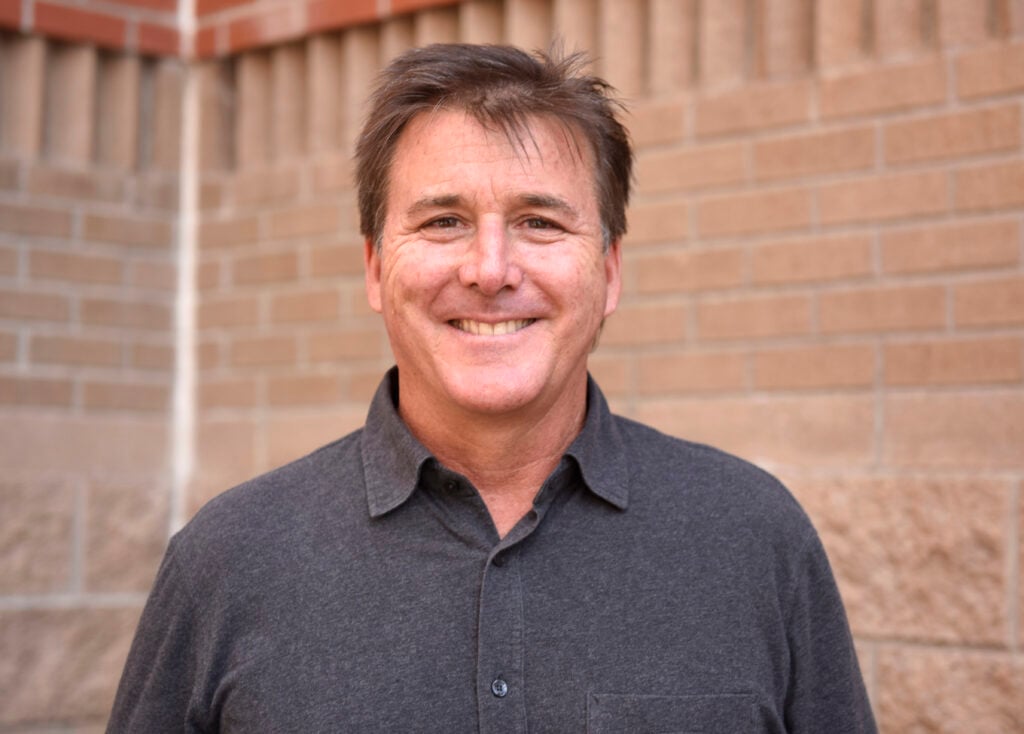
“The approach taken by the EFC in recent years has led a rival group in the Union of European Clubs, whose mission is to represent so-called ‘smaller’ clubs,” Maguire tells TBR Football.
“So by having someone of the stature of Friedkin there representing clubs like Everton, the body is saying ‘there is still a place here for you’.
“Ultimately, they need to make sure their concerns are being listened to, as well as those to whom bottom line is more important than football.”
Receive weekly football news and updates to your mailbox