
 Arsenal
 Aston Villa
 Chelsea
 Crystal Palace
 Everton
 Fulham
 Leeds United
 Liverpool
 Manchester City
 Manchester United
 Newcastle United
 Nottingham Forest
 Sunderland
 Tottenham Hotspur
 West Ham United
 Wolverhampton Wanderers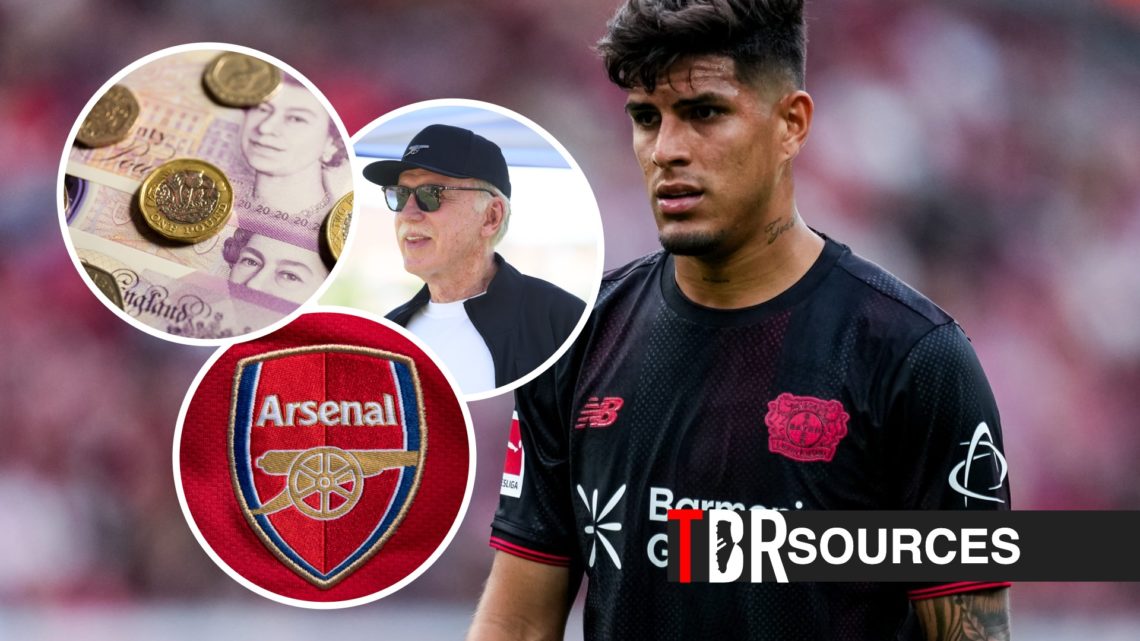


Arsenal have displayed a significant amount of ambition this summer.
Mikel Arteta has spent over £260m on new signings following the £68m arrival of Eberechi Eze – who became the seventh player to move to the Emirates Stadium this window.
- Martin Zubimendi – £55.8m from Real Sociedad
- Viktor Gyokeres – £64m from Sporting CP
- Cristhian Mosquera – £13m from Valencia
- Eberechi Eze – £68m from Crystal Palace
- Kepa Arrizabalaga – £5m from Chelsea
- Christian Norgaard – £15m from Brentford
- Noni Madueke – £52m from Chelsea
The Gunners are not yet satisfied, with Arsenal still hoping to sign Piero Hincapie from Bayer Leverkusen to bolster defensive depth, with Jakub Kiwior seemingly heading to Porto in a move which could be worth up to £26m.
Adam Williams – Head of Football Finance and Governance Content for GRV Media – has now told TBR Football what impact a move for Piero Hincapie would have on Arsenal financially as we approach the transfer deadline on Monday.
Arsenal will “probably see some restraint after this window” as £600m needed in revenue
Should the Bayer Leverkusen No.3 make a move to the Emirates Stadium, it is likely to be the final addition of the summer transfer window unless Arsenal make a significant sale.
Williams tells TBR Football: “I suspect that Arsenal would need to either have made a sale, or know that one was guaranteed to materialise, if they are to make another signing after Hincapie.
“The structure of the Hincapie deal might be key here too. If it’s a loan with an obligation to buy, they can push the bulk of the cash cost and the PSR impact a year down the line. But if it’s a straight-up £52m transfer, that’s another £10.4m in amortisation costs this year, plus probably somewhere close to £10m in wages and other employment costs.
“By my calculations, they’re getting pretty close to UEFA’s Squad Cost limit, which caps spending on player and manager wages, transfers and agent fees at 70% of turnover, plus profit on player sales. This is a calendar year test too, so the summer deadline is the last chance they have to make sales before UEFA assesses Arsenal’s compliance.
“If they sell Kiwior for the £26m being reported, they’ll make an accounting profit of about £10.3m – but with the wage bill rising with Hincapie’s arrival, I don’t necessarily think that will be sufficient to guarantee their safety under UEFA’s Squad Cost rules.
“If it was a pure profit sale like Reiss Nelson, on the other hand, that would probably be enough. A sale like Zinchenko or Jesus, both of whom have relatively low amortised book values and are on substantial wages, would also unlock the headroom to make another relatively big signing before the deadline. If they signed another player for, say, £50m on a five-year deal, only £12.5m of that hits the bottom line this season, with the player’s wages on top of that.
“The thing they have to consider, however, is how their spending now is going to impact them in the next few years. I think wages could get close to £400m this year, depending on what they do on the pitch. Amortisation is going to be in excess of £200m too. That’s £600m of revenue you need to break even, and that’s before other costs, which can easily run to £200m. Stan Kroenke doesn’t want to put more money into the club, so I think we’ll probably see some restraint after this window.”
Reiss Nelson could open the door for Arsenal to make another signing
Not only are Porto working on the £26m deal for Kiwior, but Nelson could also bring in a fair chunk of cash for Arsenal before the window shuts.
TBR Football understand Crystal Palace are in talks to sign the Arsenal No.24 in a deal worth £15m, and if an exit does materialise, it would also see the Gunners shed his £100,000-a-week salary from the wage bill.
With spending already close to £300m this summer, Arsenal may decide to call it a day if a move for Hincapie can be finalised – but exits for Kiwior and Nelson could provide the wriggle room needed for an emergency addition late on.
Receive weekly football news and updates to your mailbox